Delhi-NCR Air Quality Remains 'Very Poor' Post-Diwali As Doctors Issue Health Warnings
· GlobeWire Daily Science Desk · Source: news.abplive.com
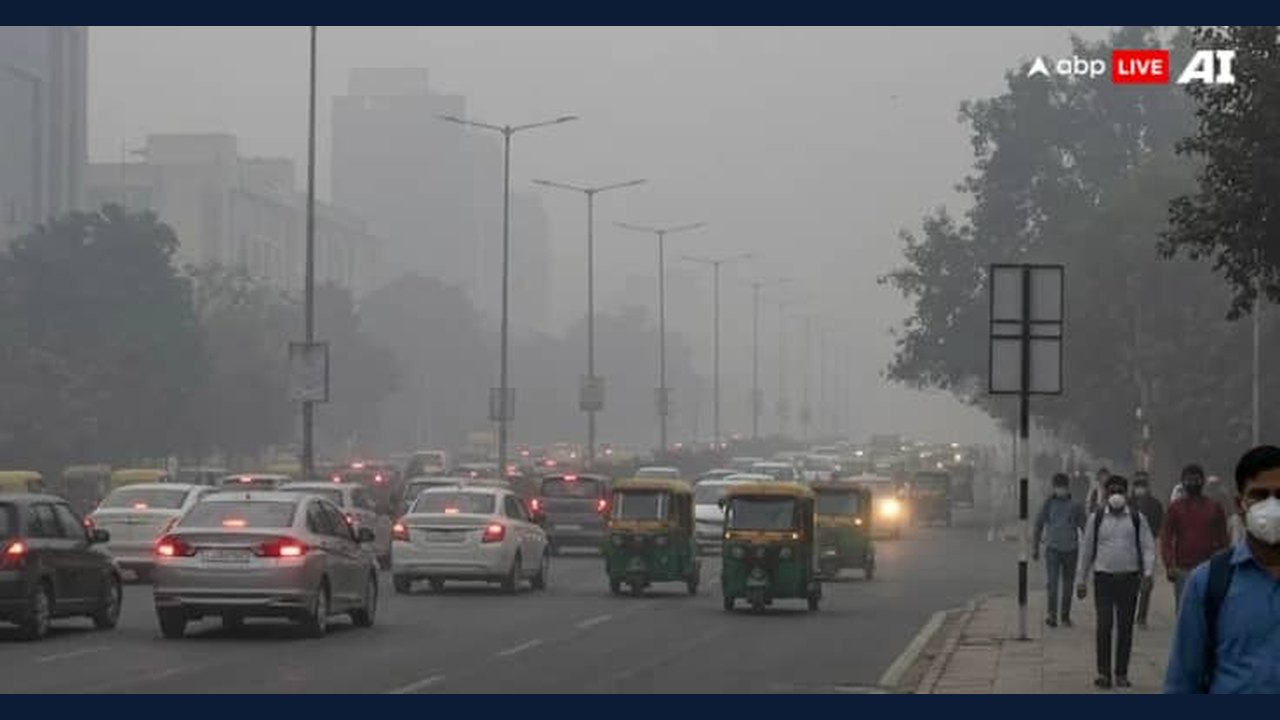
Image: ABP Live Lifestyle · Photo source · Resized and letterboxed to 16:9; no AI generation
Air quality across the Delhi-NCR region remained in the 'very poor' and 'poor' categories following Diwali, prompting medical professionals to issue health warnings and advise residents to adopt precautionary measures such as working from home and avoiding outdoor exercise.
According to reported figures, Delhi recorded an Air Quality Index (AQI) of 304 at 8 am on November 10, while Gurugram registered 321 at 7 am. The region's average AQI had previously reached 376 on Diwali, marking a notable festival-day reading. By Tuesday morning, November 10, Delhi's AQI was recorded at 293 in the 'poor' category, while locations such as Gurugram (321), Noida (313), and Faridabad (310) stayed in the 'very poor' category. Ghaziabad and Greater Noida recorded 'poor' air quality levels.
Medical Advice and Expert Warnings
Health experts have highlighted the growing risks associated with elevated pollution levels, attributing the post-Diwali deterioration to firecrackers, vehicular emissions, and increased travel.
- Work From Home and Indoor Exercise: Doctors recommend working from home where possible and shifting workout routines indoors to avoid exposure to smog and poor air quality.
- Medication Adherence: Individuals with chronic respiratory or cardiac conditions are advised to take their prescribed medications regularly.
- Symptom Monitoring: Medical professionals stress that persistent coughing, breathing difficulties, chest tightness, or unusual fatigue should prompt a medical consultation rather than being ignored.
Impact on Healthy Adults and Young Populations
Concerns extend beyond vulnerable groups, as doctors report that otherwise healthy individuals, including young adults aged 20 to 50, are experiencing symptoms after exposure to severe pollution. Experts note that symptoms can manifest within hours of exposure, and the subsequent health effects require careful monitoring by healthcare systems.
Understanding AQI Categories and Health Effects
India's Central Pollution Control Board classifies AQI into six levels:
- Fine Particulate Matter: Pollutants like PM2.5 and PM10 can penetrate deep into the respiratory tract, causing inflammation and oxidative stress.
- Broad Impacts: Beyond the lungs, fine particles can affect cardiovascular and other bodily systems, posing heightened risks for children, older adults, pregnant people, and outdoor workers.
Recommended Precautions
- Avoid unnecessary outdoor errands and shopping trips during severe pollution episodes.
- Consider wearing a properly fitted N95 mask when stepping outside is unavoidable.
- Verify original announcements and air quality updates through official channels such as the Central Pollution Control Board.
*Disclaimer: This article is for informational purposes only and does not substitute professional medical advice.*
AI-assisted reporting; source claims are attributed and have not been independently verified.
More to read
 Delhi-NCR Experiences Significant Rainfall, Air Quality Improves
 Delhi-NCR Air Quality Declines in October: Practical Steps to Protect Your Lungs
 Delhi-NCR Experiences Winter Chill and Improved Air Quality After Overnight Rain
 Delhi Air Quality Drops Sharply as AQI Surges to 222