Delhi-NCR Air Quality Declines in October: Practical Steps to Protect Your Lungs
· GlobeWire Daily Science Desk · Source: news.abplive.com
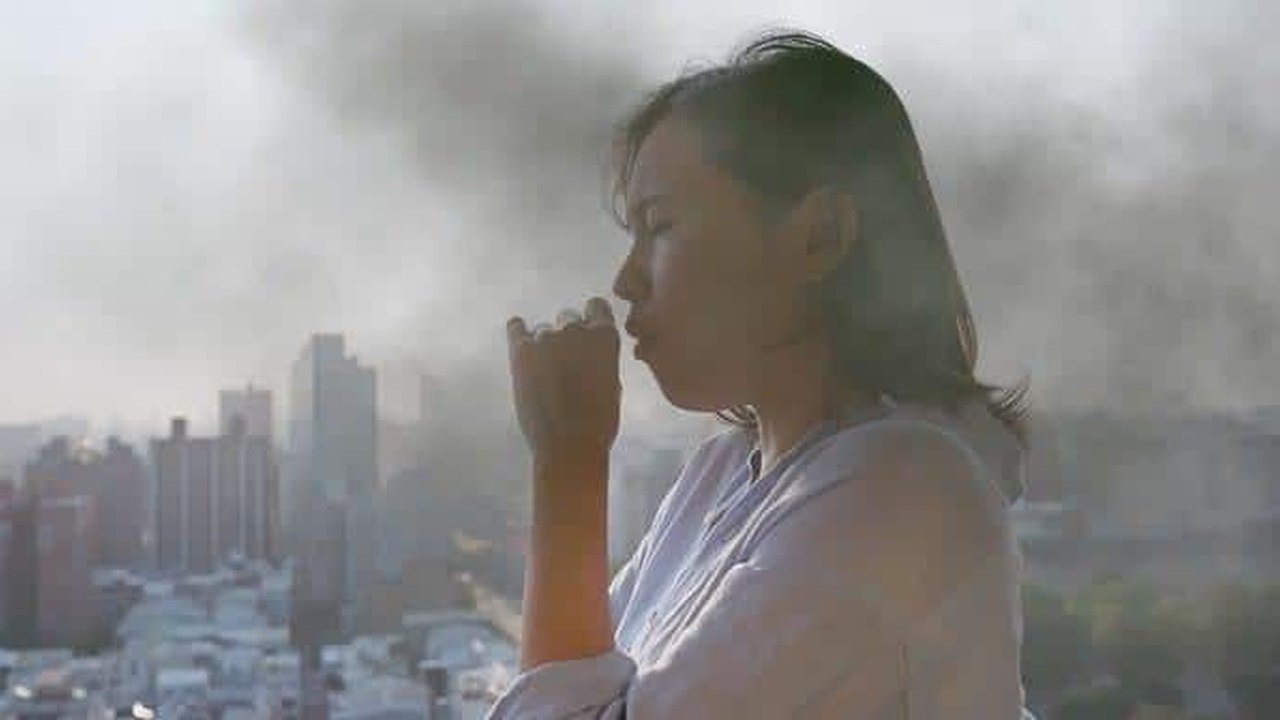
Image: ABP Live Lifestyle — Creative Commons
Rising Pollution Levels and Respiratory Health
Air quality across the Delhi-NCR region has once again sparked health concerns as seasonal deterioration begins in October. According to data from the Central Pollution Control Board (CPCB), Delhi recorded an Air Quality Index (AQI) of 223 on October 22. Such increases in airborne pollutants can severely impact respiratory health, particularly for vulnerable groups such as children, individuals with asthma, and those prone to allergies.
Exposure to poor air quality introduces fine particulate matter, including PM2.5, deep into the respiratory tract. These particles can irritate sensitive airways, cause inflammation, and trigger symptoms such as persistent coughing, throat irritation, chest tightness, wheezing, and shortness of breath.
Recommended Preventive Measures
To help mitigate the health risks associated with elevated pollution levels, health guidance highlights several practical precautions:
- Monitor the AQI: Check local air quality indices before heading outdoors to plan activities and limit exposure during peak pollution windows.
- Adjust Exercise Routines: Strenuous activities like running or jogging increase the volume of air inhaled. Moving workouts indoors during high-pollution days reduces heavy inhalation of particulates.
- Use Appropriate Masks: When outdoor exposure is unavoidable, wearing a well-fitting N95 respirator helps filter fine airborne particles, provided it seals snugly against the face.
- Manage Indoor Air Quality: Indoor pollutants—such as dust, smoke, and strong scents—can compound respiratory irritation. Keeping windows closed during peak outdoor pollution times and utilizing an air purifier with a HEPA filter can help maintain cleaner indoor air.
- Adhere to Treatment Plans: Individuals diagnosed with asthma should strictly follow prescribed medical regimens, keep reliever inhalers accessible, and consult healthcare providers before making any adjustments.
Practical Implications and Verification
For residents in affected areas, staying updated on real-time environmental metrics is a critical first step in personal health management. While general precautions help reduce exposure, they do not replace medical advice.
Confirmed Versus Unknown
- Confirmed: CPCB recorded an AQI of 223 in Delhi on October 22, and particulate matter like PM2.5 is known to aggravate asthma and respiratory irritation.
- Unknown: Individual physiological responses vary widely, and precise localized AQI levels fluctuate constantly throughout the day.
Readers can independently verify official air quality updates and guidelines by visiting the Central Pollution ControlBoard portal or referencing original reports directly via the [ABP Live News Source](https://news.abplive.com/health/6-ways-to-protect-your-lungs-from-air-pollution-and-asthma-triggers-1872954).
AI-assisted reporting; source claims are attributed and have not been independently verified.
More to read
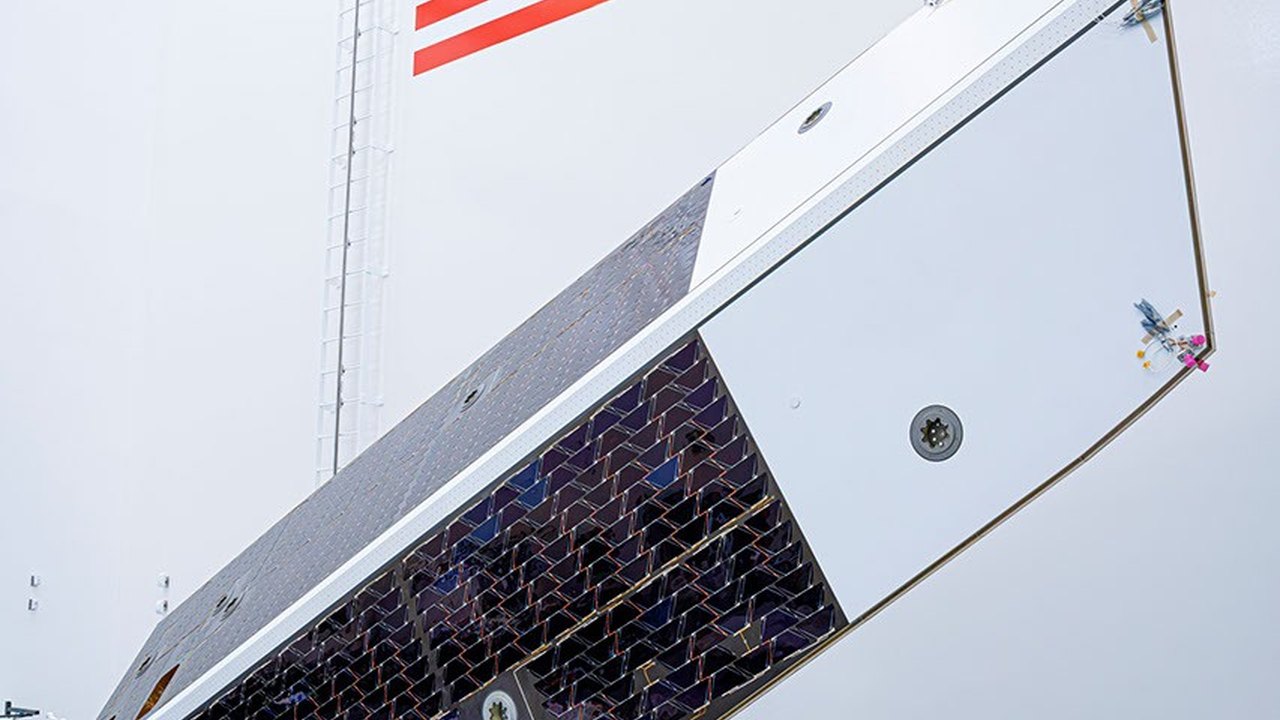 NASA's NEO Surveyor Sunshade Passes Inspection in Colorado Ahead of Asteroid-Hunting Mission
 First Known Human Case of Shamonda Virus Confirmed in France Following Patient's Death
 Microsoft Extends Voluntary Buyout Offers to Roughly 60,000 Employees
 How NASA's PACE Satellite Is Transforming Fall Foliage Tracking from Space
Trending on GlobeWire Daily
Selected from recent coverage and related topics; not live search rankings.
 Supreme Court Questions High Medicine Prices and Hospital Margins, Seeks Stronger Controls
 Karan Johar Opens Up About Past Fallouts with Varun Dhawan and Janhvi Kapoor on Talk Show
 Coveo Reports Second Quarter Fiscal 2027 Financial Results and Announces Anglera Acquisition
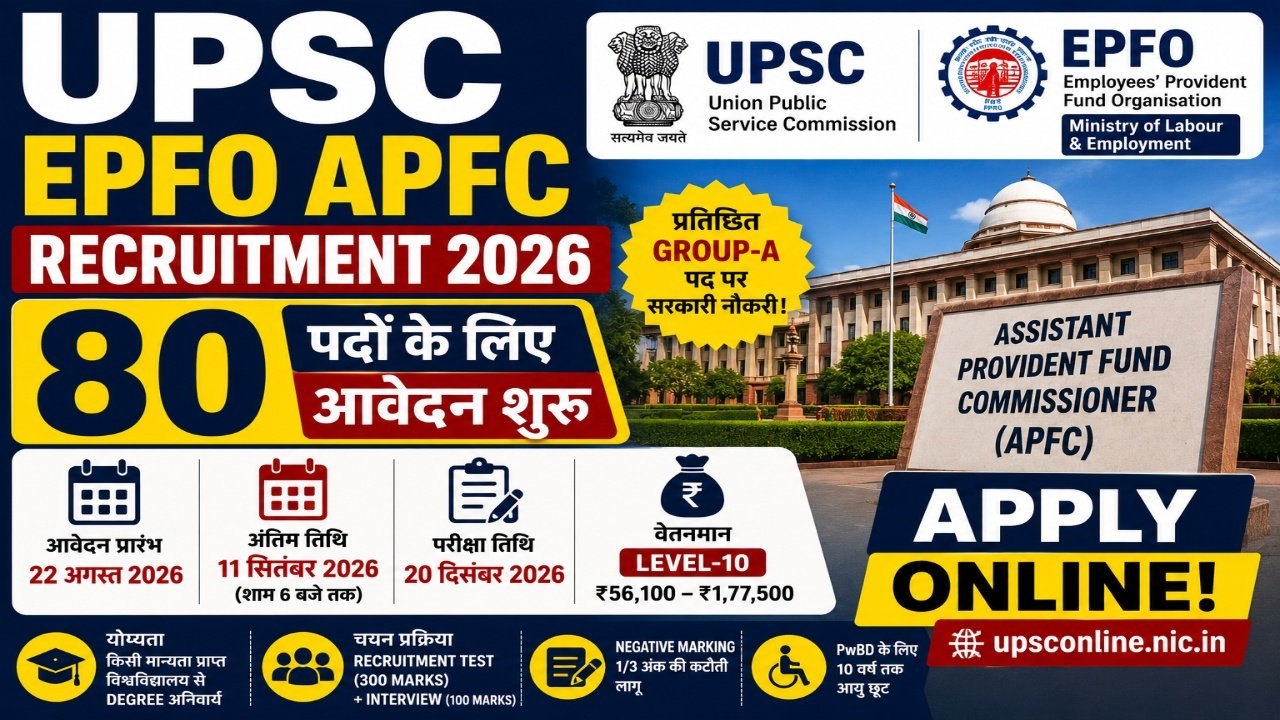 UPSC Opens Recruitment for 80 Assistant Provident Fund Commissioner Posts Under Special Advertisement No. 52/2026
 UPESSC PRT Assistant Teacher Recruitment 2026: Application Deadline Extended to November 4 for 12,405 Posts
 Gujarat Surya Urja Rooftop Yojana: Understanding Subsidy Structures, Application Steps, and Grid Rules