Gujarat Surya Urja Rooftop Yojana: Understanding Subsidy Structures, Application Steps, and Grid Rules
· GlobeWire Daily Public Services Desk · Source: www.govtschemes.in
Original GlobeWire Daily editorial illustration — not an event photograph.
The Gujarat Surya Urja Rooftop Yojana, widely recognized as Surya Gujarat or SURYA-Gujarat, is a state-level initiative designed to encourage grid-connected solar rooftop systems among residential electricity consumers. Launched on August 5, 2019, by the Energy and Petrochemicals Department of Gujarat, the scheme aims to reduce household electricity expenses, leverage local solar energy potential, and support broader state and national renewable energy objectives.
Under this framework, Gujarat Urja Vikas Nigam Limited (GUVNL) serves as the nodal agency, while local state power distribution companies (DISCOMs) manage technical assessments, net metering, and grid integration. Participants retain full ownership of the installed systems, which can be placed on rooftops or ground spaces within the boundaries of their registered electricity service connections.
Subsidy Framework and Financial Structure
The financial assistance provided under Surya Gujarat varies based on system capacity and consumer type:
- Up to 3 kW: Residential consumers receive a 40% subsidy.
- Above 3 kW up to 10 kW: Consumers receive a 40% subsidy on the first 3 kW, and a 20% subsidy on the remaining capacity up to 10 kW.
- Beyond 10 kW: No state subsidy is provided for additional capacity.
- Group Housing Societies (GHS) and Residential Welfare Associations (RWAs): Eligible for a 20% subsidy on solar systems that power shared common facilities (such as lifts, water works, and street lights), capped at 10 kW per house and a total of 500 kW per society.
Applicants must choose between the state subsidy and the Ministry of New and Renewable Energy (MNRE) Central Financial Assistance (CFA), as utilizing both simultaneously is prohibited. Additionally, the scheme mandates the use of solar cells and modules manufactured exclusively within India.
Application Pathways and Installation Process
Consumers can apply for the scheme either digitally or offline:
- Online Application: Applicants can visit the Surya Gujarat portal or use the AHA Solar App to select an empanelled vendor. The installer evaluates the premises, assists with portal submission, and guides the user through net-metering applications.
- Offline Application: Consumers can visit their local DISCOM office, obtain the necessary checklist, and submit physical application forms alongside required connection documents.
Following technical verification and approval, the empanelled vendor installs the system. After testing, a Joint Inspection Report (JIR) is signed by the consumer, the installer, and the DISCOM before final grid connection via net metering.
Surplus Power Compensation and Maintenance
Generated electricity is offset against consumption during billing cycles via net metering. For surplus power fed back into the grid, the concerned DISCOM purchases the units at Rs. 2.25 per unit for the initial five years. Following this period, compensation adjusts to 75% of GUVNL's average discovered solar tariff for the remainder of the term. Furthermore, empanelled installers are responsible for maintaining the system for five years post-commissioning at no extra maintenance charge from the consumer.
Practical Implications and Verification
For residents considering the scheme, practical planning involves assessing roof space, confirming electricity connection ownership, and reviewing vendor credentials through official channels.
- What is confirmed: Subsidy percentages up to 10 kW, domestic eligibility limits, surplus feed-in tariffs for the first five years, and mandatory use of Indian-manufactured solar modules.
- What remains variable/unknown: Individual site feasibility, exact installation timelines, and localized structural assessments which depend on specific DISCOM reviews.
Readers can verify official notifications, review empanelled vendor lists, and access portal links directly through the [Gujarat Surya Urja Rooftop Yojana Official Source](https://www.govtschemes.in/gujarat-surya-rooftop-yojana).
AI-assisted reporting; source claims are attributed and have not been independently verified.
More to read
 Punjab Reports Over 93% Decline in Stubble Burning Incidents, Official Data Shows
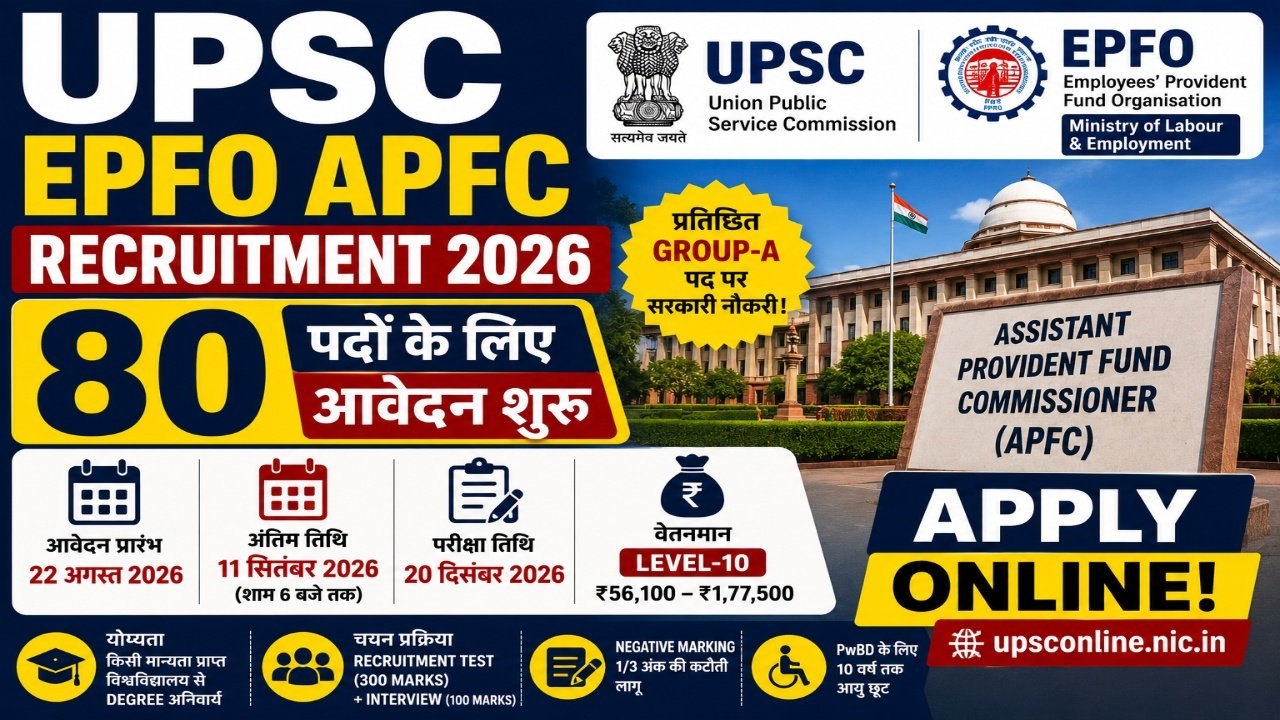 UPSC Opens Recruitment for 80 Assistant Provident Fund Commissioner Posts Under Special Advertisement No. 52/2026
 Rajasthan Opens B.Ed. Financial Assistance Scheme for Sahariya Students: Deadlines, Amounts, and Application Process
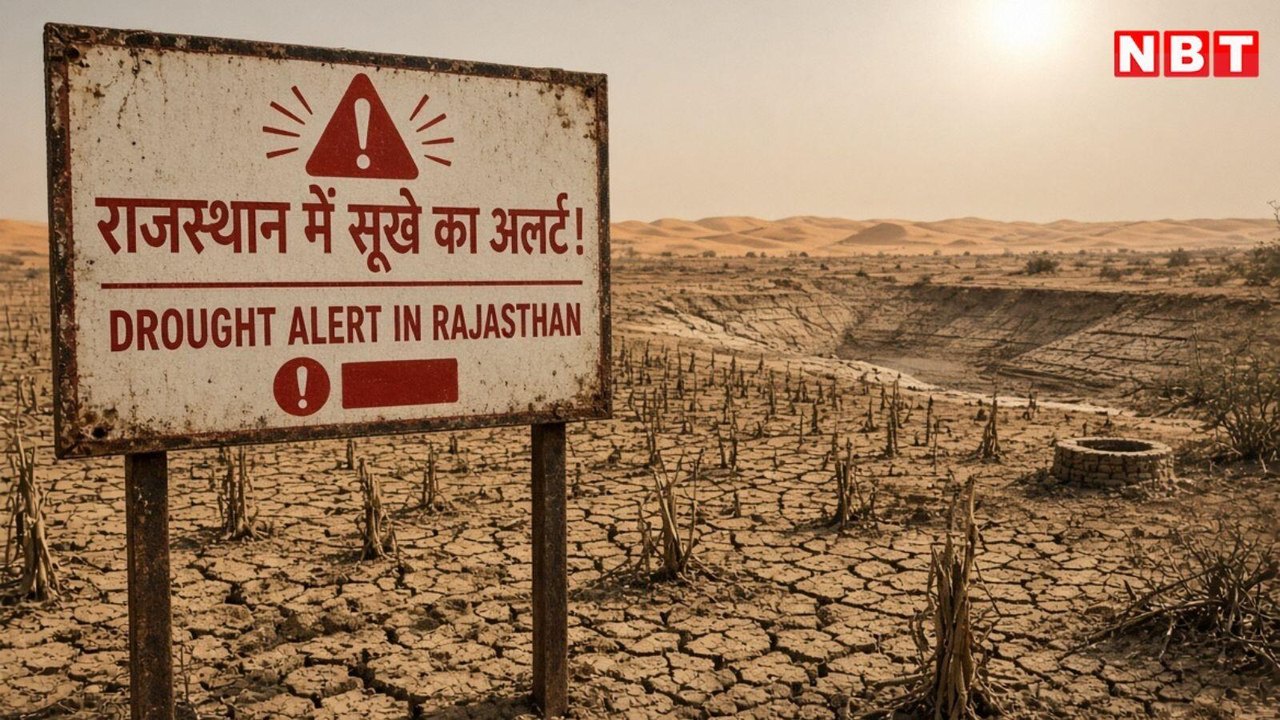 Rajasthan declares 80 tehsils across 14 districts as severely or moderately drought‑affected amid monsoon shortfall
Trending on GlobeWire Daily
Selected from recent coverage and related topics; not live search rankings.
UPSC Opens Recruitment for 80 Assistant Provident Fund Commissioner Posts Under Special Advertisement No. 52/2026 UPESSC PRT Assistant Teacher Recruitment 2026: Application Deadline Extended to November 4 for 12,405 Posts
 High-End Student Housing Sector Faces Financial Strain Amid Rising Costs and Falling International DemandRajasthan Opens B.Ed. Financial Assistance Scheme for Sahariya Students: Deadlines, Amounts, and Application Process
 WeMakeScholars Recruits Technical HR Professional Across Multiple Indian Cities
 Credit Saison India Recruits Relationship Manager for Secured Direct Operations in South India