Punjab Reports Over 93% Decline in Stubble Burning Incidents, Official Data Shows
· GlobeWire Daily Public Services Desk · Source: navbharattimes.indiatimes.com
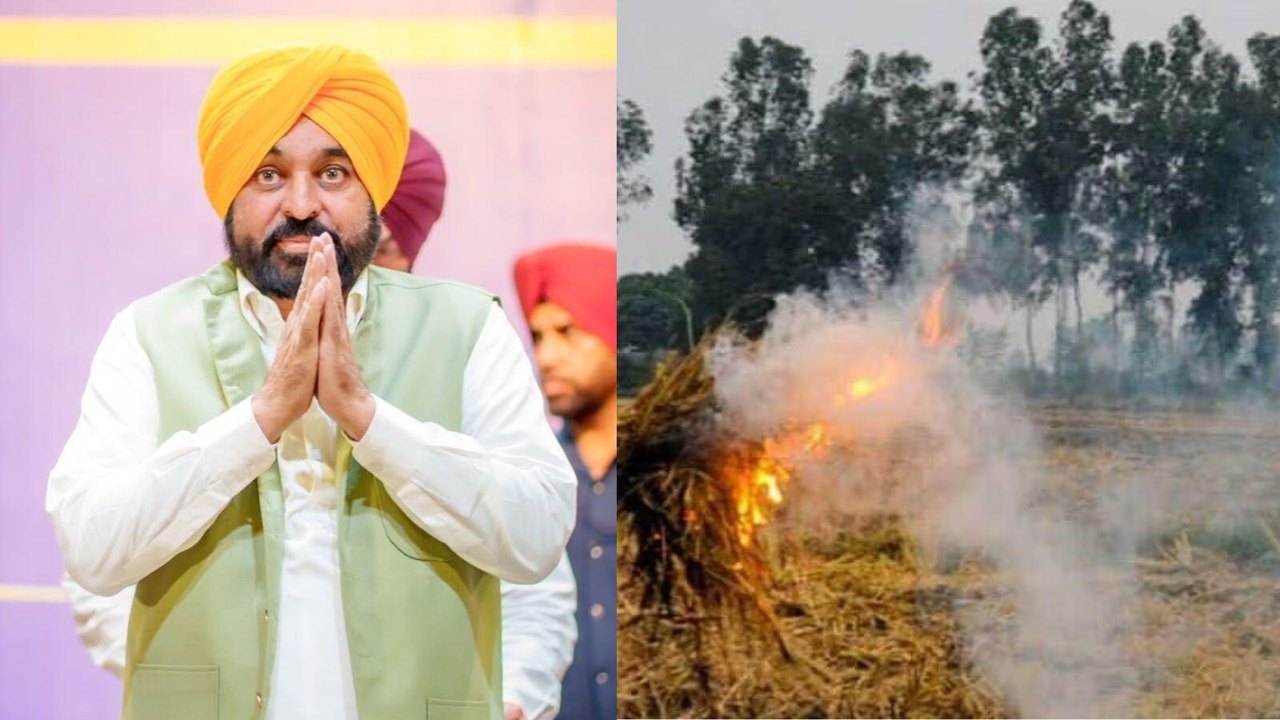
Image: navbharattimes.indiatimes.com — Creative Commons
Official agricultural data indicates a significant downward trend in stubble burning cases in Punjab over recent years, contrasting with rising numbers reported in some other states. According to the Punjab Agriculture and Farmers Welfare Department, incidents dropped from 49,922 in 2022 to 5,114 in 2025, with early figures for 2026 showing 474 cases, representing a decrease of over 93 percent.
Official Data and Comparative Trends
The decline in Punjab coincides with increased availability of crop residue management (CRM) machinery and targeted state subsidies. Data released by the Indian Agricultural Research Institute's CREAMS program bulletin on October 6, 2026, covering the period from September 15 to October 6 across seven states, recorded 287 total incidents. Among these, Madhya Pradesh recorded 118 cases, Punjab recorded 88, and Uttar Pradesh recorded 65. The bulletin noted that cloud cover affected satellite fire detection in some areas.
In the preceding full monitoring season of 2025, out of 33,028 recorded incidents across six states, Madhya Pradesh accounted for 17,067 cases (over 50 percent), followed by Uttar Pradesh with 7,290 and Punjab with 5,114.
Government Schemes and Machinery Distribution
To address the short window between paddy harvesting and wheat sowing, the Punjab government implemented financial support policies. Individual farmers receive subsidies exceeding 50 percent on agricultural machinery, while custom hiring centers, farmer producer organizations, cooperative societies, and panchayats are eligible for up to 80 percent subsidies.
According to Punjab's Department of Agriculture and Farmers Welfare, farmers procured 21,155 crop residue management machines for the 2026 season, including 14,384 super seeders, 1,721 mulchers, 1,346 hydraulic reversible MB ploughs, 1,123 zero till drills, 927 bailing machines, and 874 straw rakes. Additionally, the state government formulated a ₹600 crore action plan for crop residue management for the 2026-27 fiscal year, following the disbursement of approximately ₹395 crore in financial assistance for CRM machinery in 2025.
Practical Implications and Verification
Readers and analysts examining environmental policy can verify these trends through official state agricultural department releases and bulletins issued by research institutions such as the Indian Agricultural Research Institute (IARI).
- Confirmed Facts: Official records show a statistical decrease in recorded stubble burning incidents in Punjab between 2022 and early 2026, alongside documented machinery distribution figures under state subsidy schemes. Comparative figures for other states are available through agricultural monitoring bulletins.
- Unknowns & Variables: The long-term economic viability of alternative uses—such as selling crop residue to biogas or bio-CNG plants—depends on local market demand, transport costs, and buyer availability. Furthermore, satellite detection can be limited by weather conditions such as cloud cover.
- Official Source: Readers can review the original report and context directly via the [Navbharat Times Report](https://navbharattimes.indiatimes.com/state/punjab-and-haryana/chandigarh/bhagwant-mann-govt-stellar-work-curbing-stubble-burning-in-punjab-incident-decline-over-93-percent-compared-last-year/articleshow/135138171.cms).
AI-assisted reporting; source claims are attributed and have not been independently verified.
More to read
 Lucknow Development Authority Plans Phase 2 for Varun Vihar and Naimish Nagar Plot Schemes
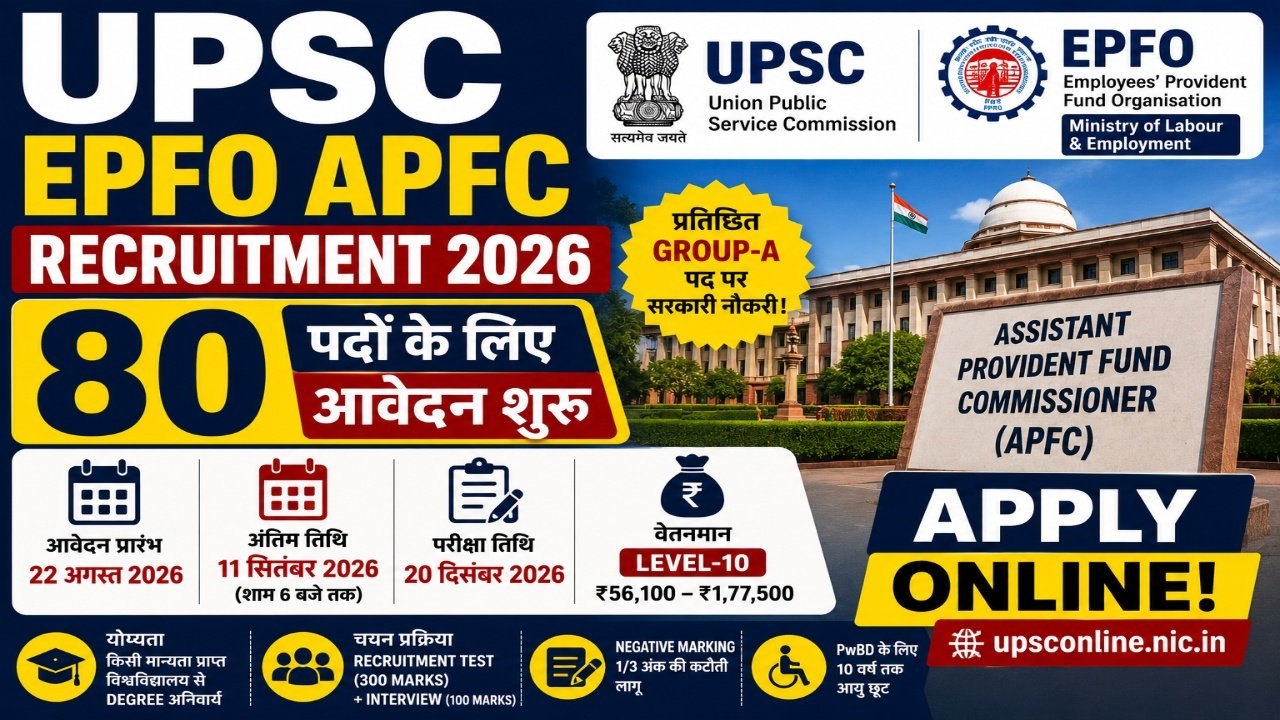 UPSC Opens Recruitment for 80 Assistant Provident Fund Commissioner Posts Under Special Advertisement No. 52/2026
 Gujarat Surya Urja Rooftop Yojana: Understanding Subsidy Structures, Application Steps, and Grid Rules
 Rajasthan Opens B.Ed. Financial Assistance Scheme for Sahariya Students: Deadlines, Amounts, and Application Process
Trending on GlobeWire Daily
Selected from recent coverage and related topics; not live search rankings.
 Karan Johar Opens Up About Past Fallouts with Varun Dhawan and Janhvi Kapoor on Talk Show
 Text-to-CAD Plugin Integrates AI Agents with Local 3D Modeling and Manufacturing Workflows
 Coveo Reports Second Quarter Fiscal 2027 Financial Results and Announces Anglera AcquisitionUPSC Opens Recruitment for 80 Assistant Provident Fund Commissioner Posts Under Special Advertisement No. 52/2026
 UPESSC PRT Assistant Teacher Recruitment 2026: Application Deadline Extended to November 4 for 12,405 Posts
 NIT Raipur Announces 37 Non‑Faculty Vacancies for 2026 – Eligibility, Age Limits and Application Deadline