Supreme Court Questions High Medicine Prices and Hospital Margins, Seeks Stronger Controls
· GlobeWire Daily Public Services Desk · Source: navbharattimes.indiatimes.com

Image: navbharattimes.indiatimes.com — Creative Commons
Supreme Court Scrutinizes High Medical Costs
The Supreme Court of India has raised serious concerns regarding the soaring prices of medicines, essential medical devices, and the high profit margins charged by private hospitals. During recent proceedings, the bench questioned why the current regulatory framework appears to facilitate high costs for patients, pointing to drastic price discrepancies between wholesale rates and what consumers ultimately pay in healthcare settings.
The court highlighted extreme examples, noting that a cancer injection priced substantially lower is often billed to patients at exorbitant rates, while a medical tube costing retailers Rs 15 can sometimes carry a patient-facing price of Rs 250. Expressing strong displeasure, the bench remarked that such pricing structures impose severe financial burdens on families, even when government health coverage such as the Ayushman Bharat scheme is in place.
Key Issues Raised by the Bench
During the hearings, several core regulatory challenges were brought to the forefront:
- Price Control Gaps: The court noted that approximately 90 percent of medicines reportedly remain outside the direct purview of the Drug Prices Control Order (DPCO), despite recent government moves to cap trade margins on certain cancer drugs at 30 percent.
- Generic Prescriptions: The bench discussed proposals aimed at encouraging or mandating the prescription of generic medicines to alleviate patient costs.
- Statutory Limits: Deliberations included calls for statutory limits on medical device profits and stricter oversight on non-scheduled drug pricing.
Representing private hospitals, Senior Advocate Mukul Rohtagi argued that the heavy reliance on private healthcare infrastructure requires substantial operational expenses to maintain round-the-clock services, and that reducing margins on medicines could impact hospital operations. However, the bench maintained that operational costs should be managed through alternative mechanisms rather than excessive markups on patient supplies.
The Supreme Court has reserved its judgment on the petition seeking tighter controls, statutory profit caps, and mandatory generic prescribing.
Practical Implications and Context
For patients and families navigating private healthcare, the Supreme Court's observations highlight ongoing debates surrounding out-of-pocket medical expenditures. While policy discussions center on expanding price controls and reviewing trade margins, actual retail and hospital billing practices remain subject to the ongoing legal proceedings and final judicial directives.
- What is Confirmed: The Supreme Court has heard arguments on a petition concerning non-scheduled drug prices, medical device profit limits, and regulatory enforcement under the DPCO, and has reserved its order.
- What Remains Unknown: The specific directions, timelines, or policy changes that the court may mandate in its final ruling are yet to be officially announced.
- How to Verify: Readers can review official judicial updates and case listings directly through the Supreme Court of India portal, or refer to the original report published by Navbharat Times at [Navbharat Times Legal Coverage](https://navbharattimes.indiatimes.com/legal/supreme-court-questions-high-medicine-prices-and-hospital-margins-seeks-stronger-controls-on-drugs-and-medical-devices/articleshow/135248639.cms).
AI-assisted reporting; source claims are attributed and have not been independently verified.
More to read
 INSPIRE Scholarship for Higher Education Undergoing Redesign, Government Clarifies
 Lucknow Development Authority Plans Phase 2 for Varun Vihar and Naimish Nagar Plot Schemes
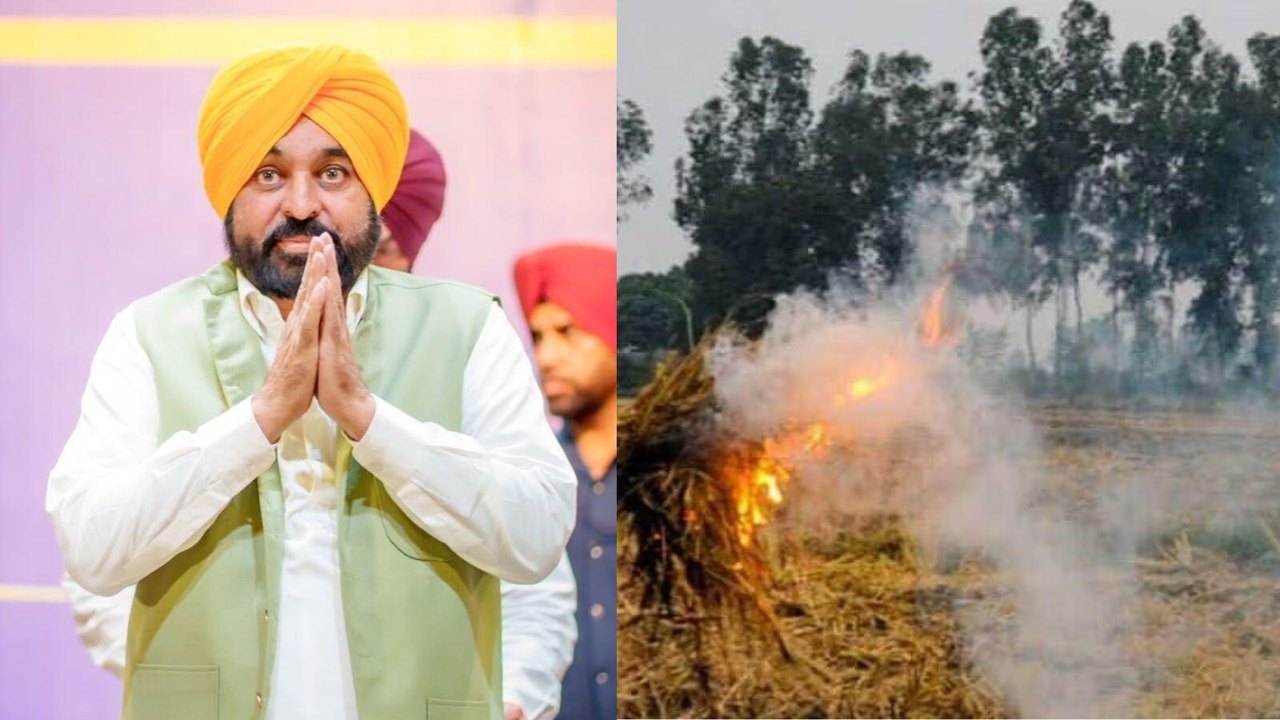 Punjab Reports Over 93% Decline in Stubble Burning Incidents, Official Data Shows
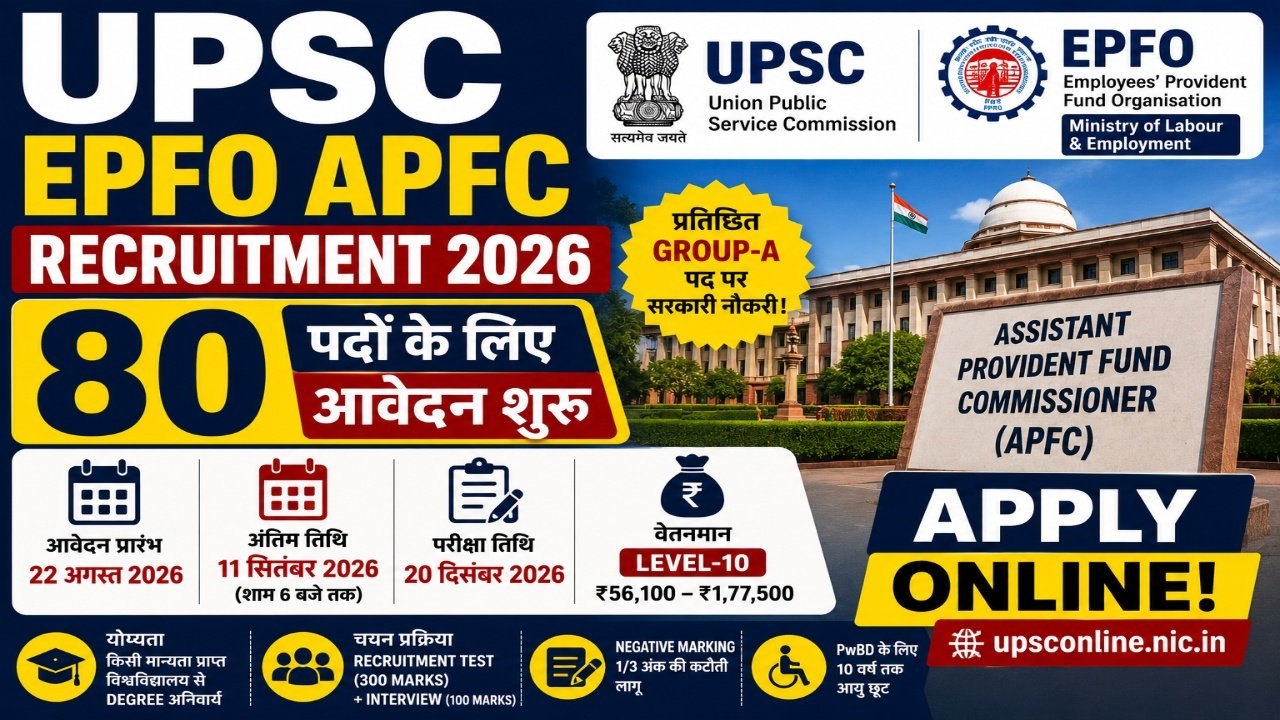 UPSC Opens Recruitment for 80 Assistant Provident Fund Commissioner Posts Under Special Advertisement No. 52/2026
Trending on GlobeWire Daily
Selected from recent coverage and related topics; not live search rankings.
 Karan Johar Opens Up About Past Fallouts with Varun Dhawan and Janhvi Kapoor on Talk Show
 Coveo Reports Second Quarter Fiscal 2027 Financial Results and Announces Anglera AcquisitionUPSC Opens Recruitment for 80 Assistant Provident Fund Commissioner Posts Under Special Advertisement No. 52/2026
 UPESSC PRT Assistant Teacher Recruitment 2026: Application Deadline Extended to November 4 for 12,405 Posts
 Gujarat Surya Urja Rooftop Yojana: Understanding Subsidy Structures, Application Steps, and Grid Rules
 High-End Student Housing Sector Faces Financial Strain Amid Rising Costs and Falling International Demand