Delhi-NCR on Hailstorm Alert, Heavy Rain Expected Across Six States as Cyclone Arnab Weakens
· GlobeWire Daily Science Desk · Source: www.indiatoday.in
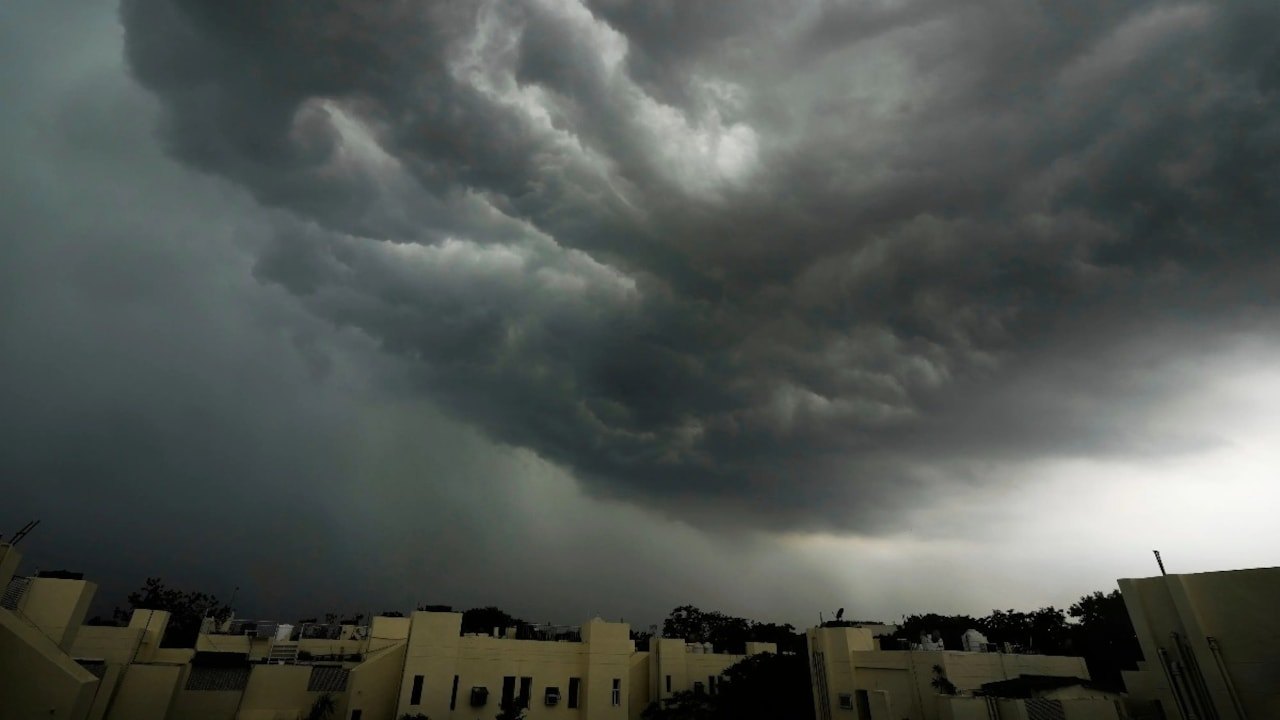
Image: India Today · Photo source · Resized and letterboxed to 16:9; no AI generation
India faces another day of unsettled weather on Thursday, October 29, as the India Meteorological Department (IMD) forecasts heavy rainfall across several states, alongside thunderstorms and possible hailstorms in parts of north India. This follows the landfall of Cyclone Arnab, which crossed the Andhra Pradesh and Yanam coasts early Wednesday and is now weakening as it moves inland.
According to the IMD bulletin issued on Wednesday, October 28, the remnants of the cyclone continue to influence weather systems across eastern, central, and northern parts of the country.
Regional Forecast and Warnings
- Heavy Rainfall States: Isolated heavy to very heavy rainfall is reported likely in Bihar, Chhattisgarh, east Madhya Pradesh, east Uttar Pradesh, Jharkhand, and Odisha on Thursday. Heavy rain is also expected at isolated spots in the Andaman and Nicobar Islands, coastal Andhra Pradesh, West Bengal, and Sikkim.
- North India Hailstorms: Delhi, Haryana, Chandigarh, and Punjab could witness thunderstorms accompanied by hailstorms at isolated places on Thursday. East Rajasthan may also experience isolated hailstorm activity.
- Wind and Squalls: Thundersqualls with wind speeds of 50-60 kmph are forecast across Haryana, Chandigarh, Delhi, Punjab, and Jharkhand. Squally winds are expected along the West Bengal coast and adjoining northwest Bay of Bengal on October 29.
- Extended Spread: Fairly widespread to widespread rainfall is forecast over east Uttar Pradesh, Haryana, Chandigarh, and Delhi on October 29 and 30.
Cyclone Arnab Landfall Details
The weather system follows the progression of Cyclone Arnab, which crossed the Andhra Pradesh and Yanam coasts between Bapatla and Visakhapatnam during the early hours of Wednesday. The IMD stated that the landfall process was completed by 8:30 am on October 28, after which the system moved completely over land, expected to weaken progressively into a cyclonic storm and then a deep depression.
Practical Implications and Verification
Residents in affected regions should monitor local weather updates and avoid travel through hazard-prone areas during severe thunderstorms or squalls. Official forecasts, updates, and radar images can be independently verified directly through the India Meteorological Department (IMD) official bulletins and website.
AI-assisted reporting; source claims are attributed and have not been independently verified.
More to read
 IMD Issues Yellow Alert for Delhi-NCR: Rain, Thunderstorms, and Hailstorms Expected
 IMD Tracks Cyclone Arnab Remnants and New Bay of Bengal System for Weekend Rain Across India
 India Meteorological Department Issues Heavy Rain and Hailstorm Alert for October 30
 IMD Issues Red and Orange Alerts as Heavy Rain, Thunderstorms Forecast for Delhi-NCR
Trending on GlobeWire Daily
Selected from recent coverage and related topics; not live search rankings.
 Madhya Pradesh Government Plans Revenue Generation from 117-Year-Old Edward Villa in Mumbai Through Leasing
 iPhone 18 Pro Named TechRadar Product of the Year 2026
 Google Project Suncatcher Runs Gemma 4 AI on Orbiting Satellite and Receives First Response
 Gender Disparities in Eye Care Access Across India Examined
 Satellite Images Show Cyclone Arnab Weakening Over India As New System Brews
 Expanding Green and Blue Spaces Crucial for India's Economic and Public Health, Reports Indicate