Domestic Travel Fueled Five Measles Importations to Washington State from South Carolina, Study Finds
· GlobeWire Daily Science Desk · Source: arstechnica.com
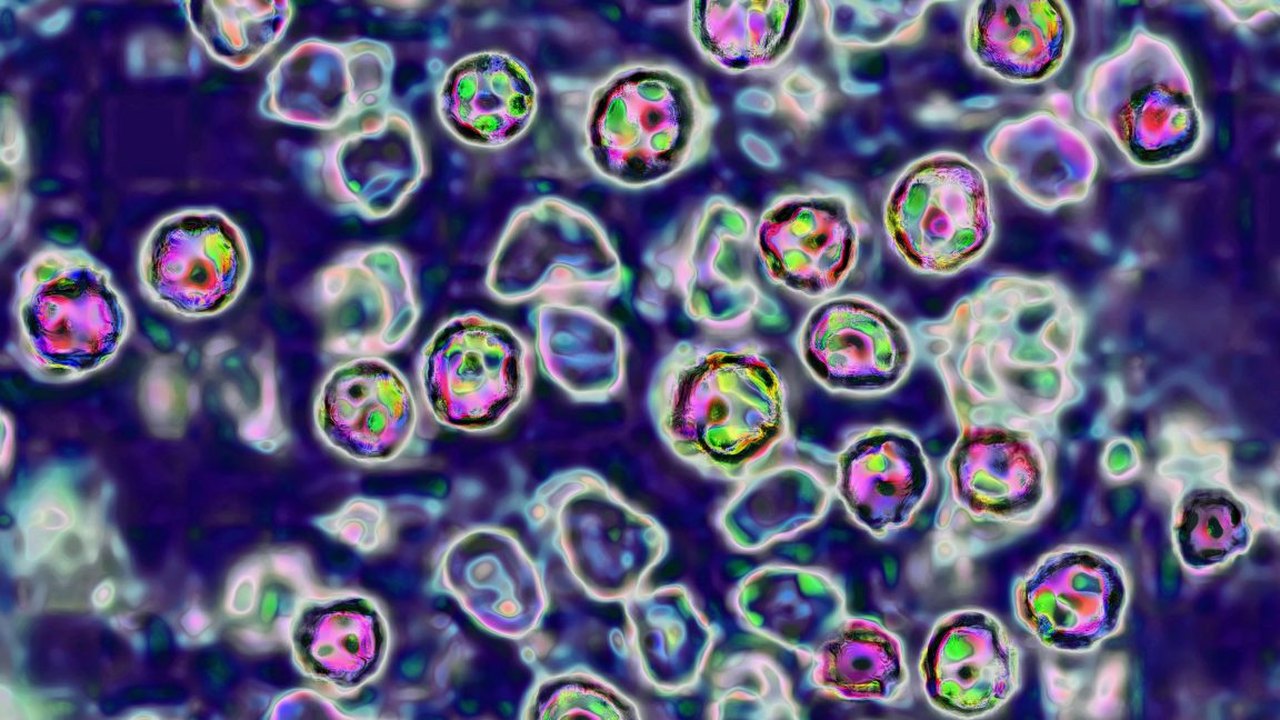
Image: Ars Technica · Photo source · Resized and letterboxed to 16:9; no AI generation
A study published in NEJM Evidence reveals that a major measles outbreak in South Carolina seeded five distinct importations into Washington state over a two-week period in January, resulting in 26 cases among Washington residents before public health officials contained the spread.
Measles was declared eliminated in the United States in 2000. Historically, occasional cases have primarily stemmed from international travelers or unvaccinated residents returning from abroad. However, recent declines in vaccination rates and rising domestic outbreaks have elevated domestic travel as a significant transmission risk.
Outbreak Background and Methodology
The South Carolina outbreak began on October 2, 2025, and concluded on April 26, 2026, totaling 997 confirmed cases. While it was initially the largest measles outbreak recorded since elimination, Pennsylvania's ongoing outbreak has since surpassed it.
Washington health officials utilized a combination of epidemiological data and whole-genome sequencing to track the spread. Sequencing was critical in confirming that the cases were not the result of a single introduction, but rather five separate importation events.
Breakdown of Importation Events
- First Importation: A Washington resident fell ill on January 12 after returning from South Carolina. One close contact fell ill and was isolated, with no further spread.
- Second Importation: South Carolina visitors exposed local residents while infectious. This led to a cluster of 14 cases spanning January 15 to February 17, involving schools, healthcare facilities, and a church.
- Third and Fourth Importations: Residents returned from South Carolina and fell ill in mid-January. One adhered strictly to isolation protocols, resulting in no secondary cases.
- Fifth Importation: A resident returned from out-of-state travel and fell ill on January 19, subsequently visiting a school and healthcare facility while contagious. Six close contacts fell ill, forming a cluster of seven cases.
Officials credited standard public health measures—including quarantines, isolation, and contact tracing—with limiting the broader spread of the virus.
Broader Implications and Context
Public health authors concluded that timely whole-genome sequencing is essential for differentiating distinct importations from local transmission during domestic outbreaks. The findings contrast with claims made by Health Secretary Robert F. Kennedy Jr., who has downplayed domestic factors and attributed surges to a global outbreak. Data from the Centers for Disease Control and Prevention show that the vast majority of US cases are linked to domestic outbreaks rather than international visitors.
- Verification: Readers can review the original study published in NEJM Evidence and consult official reports from the Centers for Disease Control and Prevention.
- Practical Implications: Health jurisdictions continue to emphasize vaccination and rapid contact tracing to manage interstate disease spread.
AI-assisted reporting; source claims are attributed and have not been independently verified.
More to read
 BMW Pursues Tariff Relief from Washington Following Major South Carolina EV Investment
 Study Finds Women’s Agricultural Empowerment Strengthens Food Security in South Sudan
 Weight-Loss Drugs Used in Nearly One in 10 Great Britain Homes, Study Finds
 Climate Change Pushes Earth's Ice Outside Its Safe Operating Space, Study Finds