Fiona the Hippo Dies After Eating a Knit Hat: How Foreign Objects Affect Large Animals
· GlobeWire Daily Science Desk · Source: www.wired.com
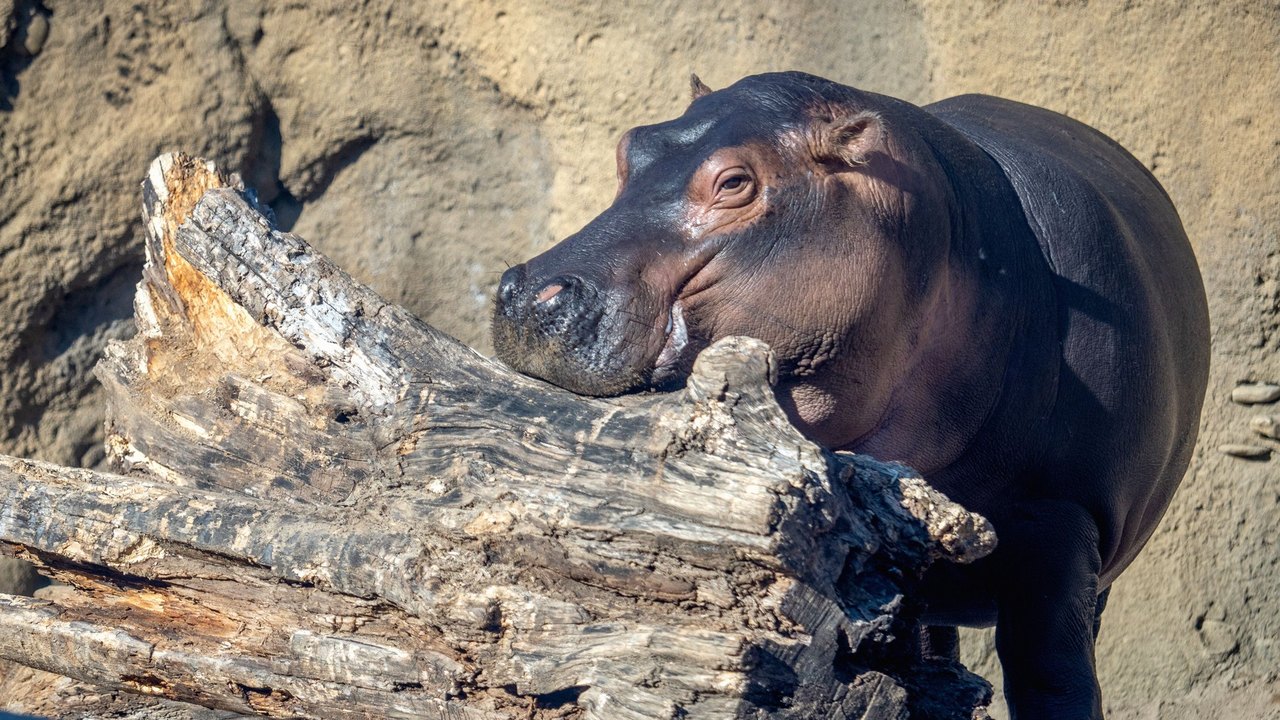
Image: Caroline Haskins · Photo source · Resized and letterboxed to 16:9; no AI generation
Fiona, the nine-year-old hippopotamus at the Cincinnati Zoo, died from medical complications after ingesting a knit hat that entered her enclosure. Zoo officials reported that a child tossed the hat into the air, where it collided with a ceiling fan and landed through a gap above the viewing window. Following the incident, veterinary experts and zoo staff discussed the complexities of treating intestinal blockages in large animals.
Understanding Intestinal Blockages in Hippos
According to Jan Hawkins, head of the clinical science department at North Carolina State University's College of Veterinary Medicine, a hippo's intestinal tract is estimated to exceed 100 feet in length. While normal digestion takes a few days, an obstruction can trigger severe downstream effects:
- Pressure and Swelling: A blockage can cause abdominal swelling, cutting off blood circulation and leading to tissue death.
- Toxic Shock: Dead tissue may leak or rupture, releasing toxins into the bloodstream and causing organ failure.
- Intestinal Torsion: Heavy objects trapped inside the digestive tract can cause intestines to twist, worsening circulation issues.
Why Surgery Was Not Performed
Zoo officials and specialists concluded that surgery was not a viable option for Fiona. Veterinary experts highlighted several major challenges regarding hippo surgeries:
- Anesthesia Risks: Hippos often have unpredictable reactions to sedation and anesthesia, which can be fatal.
- Size and Ventilation: An animal weighing over 2,500 pounds requires specialized large-scale ventilation and positioning equipment, such as hoists or massive tables.
- Physical Stress: Prolonged unconsciousness under their own massive body weight can severely restrict oxygen circulation, especially in a dehydrated or unhealthy animal.
Zoo Interventions and Treatment Attempts
Before her passing, the Cincinnati Zoo utilized various non-surgical methods to help Fiona pass the hat, including:
- Administering rectal fluids, enemas, and anti-nausea medication.
- Utilizing a borrowed nine-foot medical scope.
- Borrowing a vibration plate from a local horse farm to encourage digestive movement.
- Encouraging her to eat and offering favorite scents like coffee.
Experts noted that while the veterinary team pursued numerous treatment avenues, the anatomical and physiological constraints of operating on a hippopotamus proved insurmountable. Post-mortem analyses are typically required to confirm the exact cause of death in such cases.
AI-assisted reporting; source claims are attributed and have not been independently verified.
More to read
 Cincinnati sports teams mourn the death of Fiona the hippo
 Eating Healthy At Home? Why You May Still Be At Risk Of Type 2 Diabetes
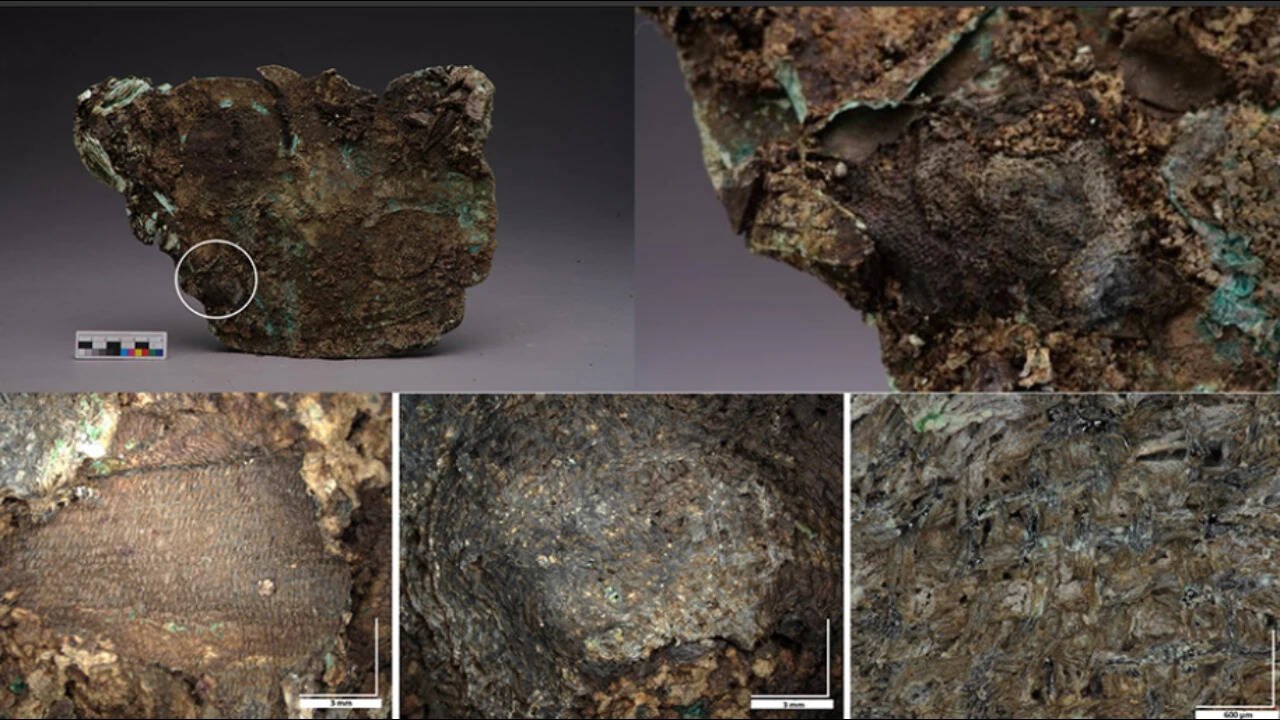 Scientists Find Silk Traces on 101 Ancient Chinese Ritual Objects Dating Back 3,000 Years
 Astronomers Identify Large Trans-Neptunian Object 2026 ED138 Beyond Pluto