Lost for Over 200 Years, Shrub Returns to Assam Alongside Two New Subterranean Fish Species
· GlobeWire Daily Science Desk · Source: www.indiatoday.in
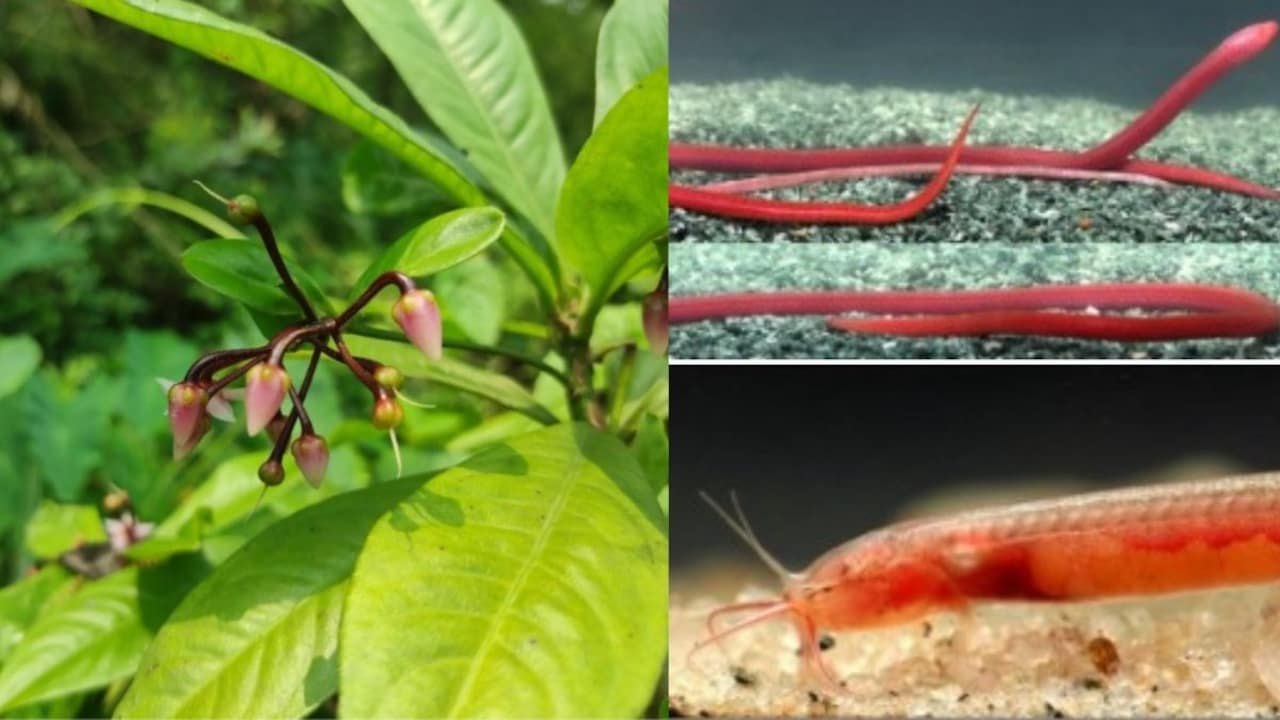
Image: India Today · Photo source · Resized and letterboxed to 16:9; no AI generation
Assam has witnessed the reported rediscovery of a shrub missing for over two centuries, alongside the scientific description of two new subterranean fish species found in village wells in Goalpara.
According to official announcements and scientific research papers, these findings highlight the unique biodiversity hidden within the region's forests and groundwater aquifers.
Rediscovery of Ardisia colorata
- The Shrub: *Ardisia colorata* belongs to the primrose family and was originally described by botanists in 1821 in *The Botanical Cabinet* gardening periodical.
- Native Range: Its natural habitat spans from Assam to Myanmar.
- Timeline: Assam Chief Minister Himanta Biswa Sarma posted on X that the plant was lost for 204 years before its recent return.
Botanists note that a plant going missing for centuries typically indicates it was overlooked, misnamed, or secluded in unexplored forest areas rather than extinct.
Subterranean Fish Discoveries in Goalpara Wells
Research papers published by Ralf Britz and colleagues have detailed two new species found living in a 6.7-metre-deep concrete-ringed dug-out well in a Goalpara village:
- *Gitchak nakana*: Described in *Scientific Reports* on February 26, this blind red loach grows to 20.8 millimetres. It lacks visible eyes, features a translucent blood-red body, possesses four pairs of long sensory barbels, and has a skull roofless brain covered only by skin. Its DNA differs by 16.7 to 23.3 per cent from other Asian loaches, with an estimated lineage split 21 to 45 million years ago. The name combines Garo words for red, fish, and blind.
- *Rakthamichthys anchi*: Described in *Zootaxa* on July 30, this snake-like swamp eel shares the same subterranean well habitat and exhibits distinct vertebral counts and a 15 to 20 per cent genetic divergence from Western Ghats relatives.
Habitat and Practical Implications
Both fish species are phreatobitic, meaning they inhabit underground aquifers—water-bearing layers of rock and sand. Research papers point out that fewer than 10 per cent of known subterranean fishes globally live in aquifers.
Because these alluvial aquifers serve as groundwater sources accessed by local wells, environmental researchers emphasize the importance of protecting groundwater quality. To safeguard the newly discovered species, researchers omitted the specific village name in scientific literature.
Verification of these discoveries can be pursued by reviewing the published studies in *Scientific Reports* and *Zootaxa*, as well as official statements regarding regional environmental conservation commitments.
AI-assisted reporting; source claims are attributed and have not been independently verified.
More to read
 Reflecting on Two Years of The Long Wave Newsletter
 AFCON Returns to Two-Year Cycle After CAF Reverses Quadrennial Plan
 Ukrainian National Sentenced to Two Years in Uttarakhand for Visa Overstay
 Assam Announces VFA Recruitment 2026 for 200 Veterinary Field Assistant Posts: What You Need to Know
Trending on GlobeWire Daily
Selected from recent coverage and related topics; not live search rankings.
 Madhya Pradesh Government Plans Revenue Generation from 117-Year-Old Edward Villa in Mumbai Through Leasing
 iPhone 18 Pro Named TechRadar Product of the Year 2026
 Google Project Suncatcher Runs Gemma 4 AI on Orbiting Satellite and Receives First Response
 Gender Disparities in Eye Care Access Across India Examined
 Satellite Images Show Cyclone Arnab Weakening Over India As New System Brews
 Expanding Green and Blue Spaces Crucial for India's Economic and Public Health, Reports Indicate