MIT Engineers 3D‑Print Scale‑Rich Metamaterials Inspired by Leaves and Dragonfly Wings
· GlobeWire Daily Science Desk · Source: timesofindia.indiatimes.com
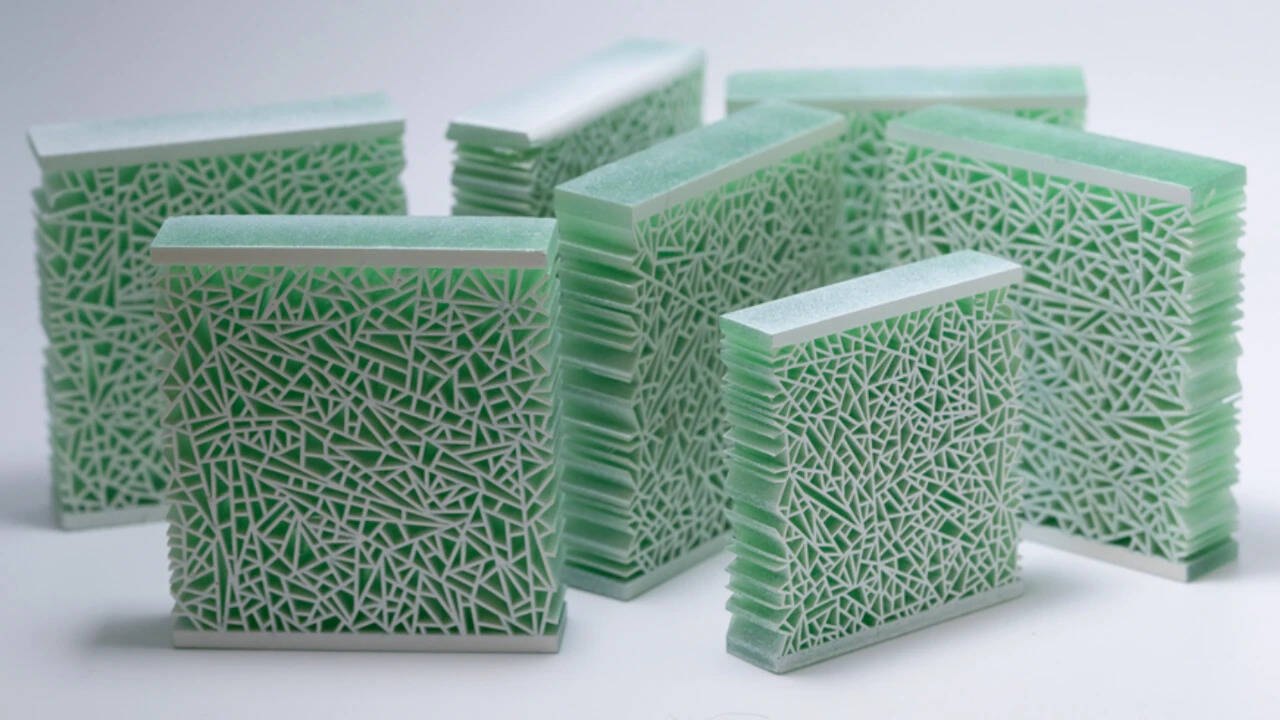
Image: The Times of India · Photo source · Resized and letterboxed to 16:9; no AI generation
Summary
Engineers at MIT, in collaboration with Northeastern University, have created a new class of 3‑D‑printed metamaterials whose internal lattice varies in size and connectivity. Drawing design cues from leaf veins and dragonfly‑wing networks, the “scale‑rich” structures absorb compression and impact better than conventional honeycomb lattices in laboratory tests.
How the Material Is Made
- Network‑generation algorithm: Random points are placed, lines are drawn at random angles, and each line stops at a boundary or when it meets another line. The process yields a dense web of beams that become progressively shorter and thinner.
- 3‑D printing: The algorithmic pattern is printed in polymer, producing square samples about the size of a credit card with features ranging from micrometres to centimetres.
Laboratory Performance
- Compression test: Scale‑rich samples sustained higher loads before buckling compared with uniform honeycomb lattices.
- Drop‑impact test: When a heavy weight was dropped, damage spread across the varied network, preventing a single failure point.
- Protective‑layer demo: Mimicking the dense rind of a pomelo, a denser outer ring of beams shielded a fragile object placed at the centre, diverting forces away from it.
Potential Applications
- Protective gear (helmets, body armour)
- Impact‑absorbing packaging
- Acoustic lenses for sound‑wave control
Note: The work is at the proof‑of‑concept stage. The samples were tested only in controlled lab conditions; commercial products are not yet available.
Verifying the Claim
The findings were published in *Nature* on 11 November 2026 under the title “Scale‑Rich Network‑Based Metamaterials”. The MIT News release (dated the same day) and the supplementary data files provide the experimental methodology and raw test results.
--- *For updates, watch for follow‑up studies from MIT’s Materials Science group or announcements from industry partners exploring scale‑rich designs.*
AI-assisted reporting; source claims are attributed and have not been independently verified.
More to read
 Uncovering Joseph Bell: The Real-Life Scottish Surgeon Who Inspired Sherlock Holmes
 GTA 6 Allegedly Features Collateral-Inspired Mission Reference
 Ford Unveils Mustang GTD 1901 Inspired by Company's First Race Car
 Hollywood-Inspired Holiday Gift Ideas: Exploring Popular Tech and Home Gadgets at Best Buy