Health & Science
Nvidia Teams Up with Paradromics to Shrink Brain‑Computer Interface Hardware
· GlobeWire Daily Editorial Desk
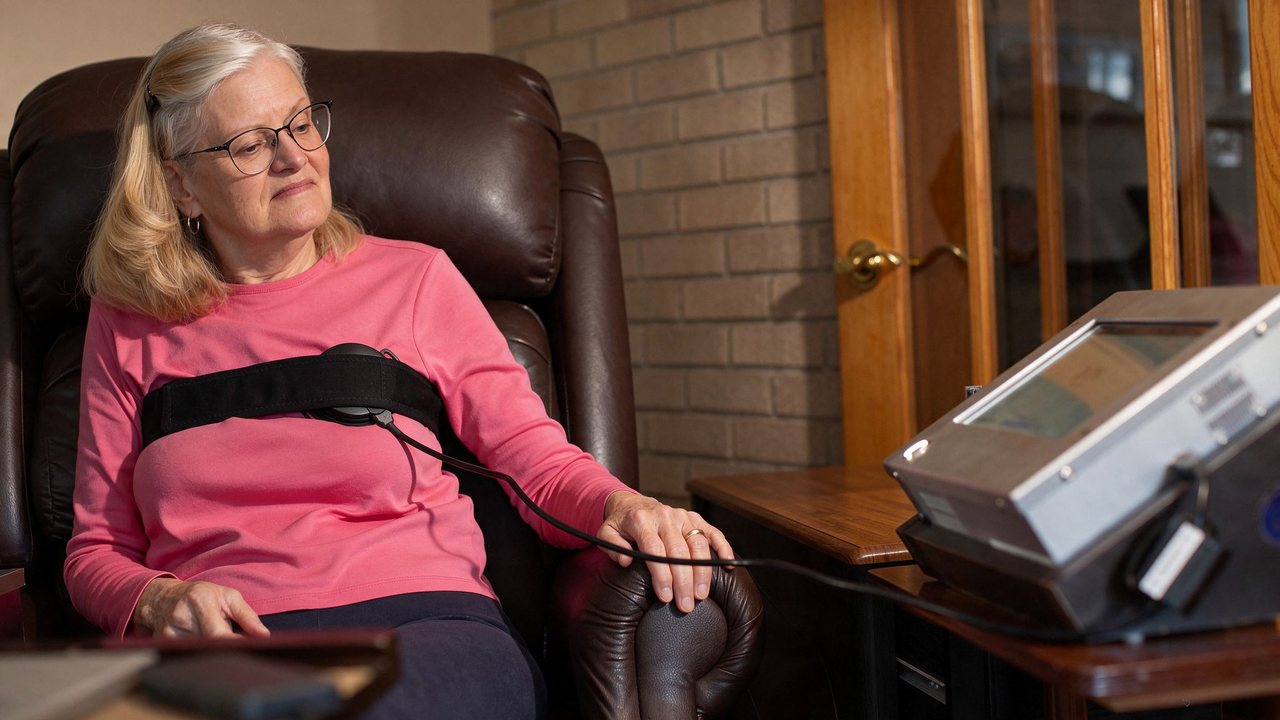
Summary: Paradromics, a Michigan‑based brain‑computer interface (BCI) company, announced a partnership with Nvidia to move its speech‑decoding system from a bulky cart to a compact, edge‑computing device. The collaboration aims to make the technology more portable for users like Mary, a patient with motor neuron disease who currently relies on a large external setup.
What the Partnership Entails
- Hardware: Paradromics will integrate Nvidia’s Jetson low‑power computing module to run neural‑signal processing close to the user, replacing the current rack‑mounted equipment.
- Software: Nvidia’s Holoscan AI sensor‑processing platform will handle real‑time fusion of neural data with other inputs (e.g., cameras, microphones) to reduce latency.
- AI Models: The deal includes access to Nvidia’s foundation models, which could improve the naturalness of synthesized speech without requiring an internet connection.
Why It Matters for Users
- Portability: Today’s BCI setup for Mary involves a cart of electronics that must stay plugged in and within range. Nvidia’s edge solution could fit on a wheelchair‑mounted box, allowing greater mobility.
- Latency Reduction: Real‑time processing is crucial for fluid conversation. Holoscan’s low‑lag pipeline aims to keep delays imperceptible.
- Power Efficiency: Jetson’s low‑power design could eventually enable BCI components to be housed in a smartphone‑sized device, as envisioned by Paradromics CEO Matt Angle.
Current State of the Technology
- The Paradromics implant contains over 400 electrodes that capture neural activity when the user attempts to speak.
- Decoding this data presently requires a high‑performance computing cart that must be physically close to the user.
- The partnership is still in development; no commercial product has been released, and timelines for a portable prototype have not been disclosed.
Practical Steps for Interested Parties
- Verification: The announcement was made via a press release from Paradromics and confirmed in an interview with Nvidia’s health‑care business development director, David Niewolny, to WIRED.
- Next Milestones: Paradromics plans to prototype the Jetson‑based decoder within the next year, though exact dates are pending.
- Regulatory Outlook: Both companies note that any medical device will still need FDA clearance before widespread clinical use.
Broader Context
- Edge Computing Trend: Angle describes BCIs as the “ultimate case for edge computing,” highlighting a shift from cloud‑dependent AI to on‑device processing.
- Industry Landscape: Nvidia is also collaborating with other BCI firms such as Synchron, though it emphasizes that it will not access raw brain data.
- Potential Impact: If successful, the technology could expand communication options for individuals with severe speech impairments and pave the way for more integrated neuro‑assistive applications.
Open Questions
- Timeline: When will a fully portable, FDA‑cleared device be available?
- Cost: Pricing details for the eventual consumer‑grade system have not been disclosed.
- Data Privacy: While Nvidia states it won’t see raw neural data, the handling of processed data remains to be clarified.
--- *The information above reflects statements from Paradromics and Nvidia representatives and the WIRED report dated November 2023. No independent testing results have been published yet.*
Share this article