Oklahoma 8th-Grader Tests Wild Farm Plants for Antibacterial Activity
· GlobeWire Daily Science Desk · Source: timesofindia.indiatimes.com
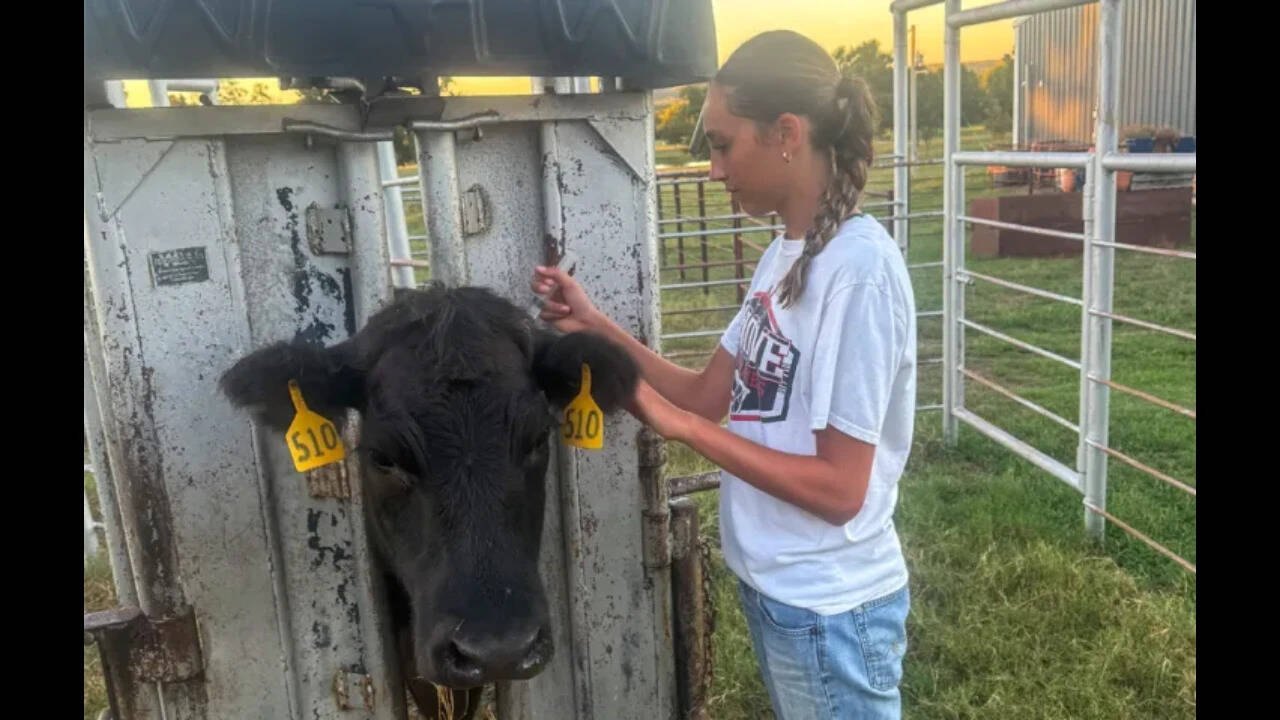
Image: The Times of India · Photo source · Resized and letterboxed to 16:9; no AI generation
Locklyn Raye Ward, an Oklahoma eighth-grader, conducted a study testing wild plants from her family's farm for antibacterial properties. According to details reported by the Society for Science, the project examined whether local wild plants could inhibit bacteria and how they compared to commercial medical treatments.
Project Background and Motivation
The project originated from observations on her family's farm. After discussing a wild pokeweed plant with her father, and motivated by personal concerns regarding the overuse of antibiotics, Ward wondered if other wild plants might possess similar properties.
Testing Methodology
- Plant Collection: Ward gathered 24 different plants from the farm, evenly split between native and non-native Oklahoma species.
- Extraction: Each plant was weighed, cut into one-gram segments, and boiled in distilled water to extract chemical compounds.
- Bacterial Testing: She cultured *Escherichia coli* and *Staphylococcus epidermidis* on agar plates, applying paper discs soaked in the plant extracts alongside commercial antibiotic discs for comparison.
Results and Findings
Following a 24-hour incubation period, Ward measured the zones of bacterial inhibition:
- Fifty-six percent of the tested plants displayed some level of antibacterial properties.
- Seven of the active plants were native Oklahoma species.
- None of the plant extracts performed as effectively as the commercial antibiotics used in the comparison.
Practical Implications and Verification
This student-led research highlights an inquiry-based approach to investigating traditional claims about wild flora, such as pokeweed. Interested readers can verify details about such student projects through the Society for Science, the nonprofit organization behind Science News and affiliated student science competitions.
AI-assisted reporting; source claims are attributed and have not been independently verified.
More to read
 India's Business Activity Hits Four-Month High in October PMI While Hiring Slows
 NASA Tests Powerful Lithium-Fed Thruster Prototype for Potential Deep Space Missions
 Google Tests Match Case and Smart Navigation for Chrome's Find in Page
 Healthtech Summit Experts Outline Criteria for Diagnostic Labs and Predictive Tests
Trending on GlobeWire Daily
Selected from recent coverage and related topics; not live search rankings.
 Madhya Pradesh Government Plans Revenue Generation from 117-Year-Old Edward Villa in Mumbai Through Leasing
 iPhone 18 Pro Named TechRadar Product of the Year 2026
 Google Project Suncatcher Runs Gemma 4 AI on Orbiting Satellite and Receives First Response
 Gender Disparities in Eye Care Access Across India Examined
 Satellite Images Show Cyclone Arnab Weakening Over India As New System Brews
 Expanding Green and Blue Spaces Crucial for India's Economic and Public Health, Reports Indicate