Remaining Ice Near Summit of Indonesia’s Puncak Jaya Dwindles to Scattered Patches
· GlobeWire Daily Science Desk · Source: science.nasa.gov
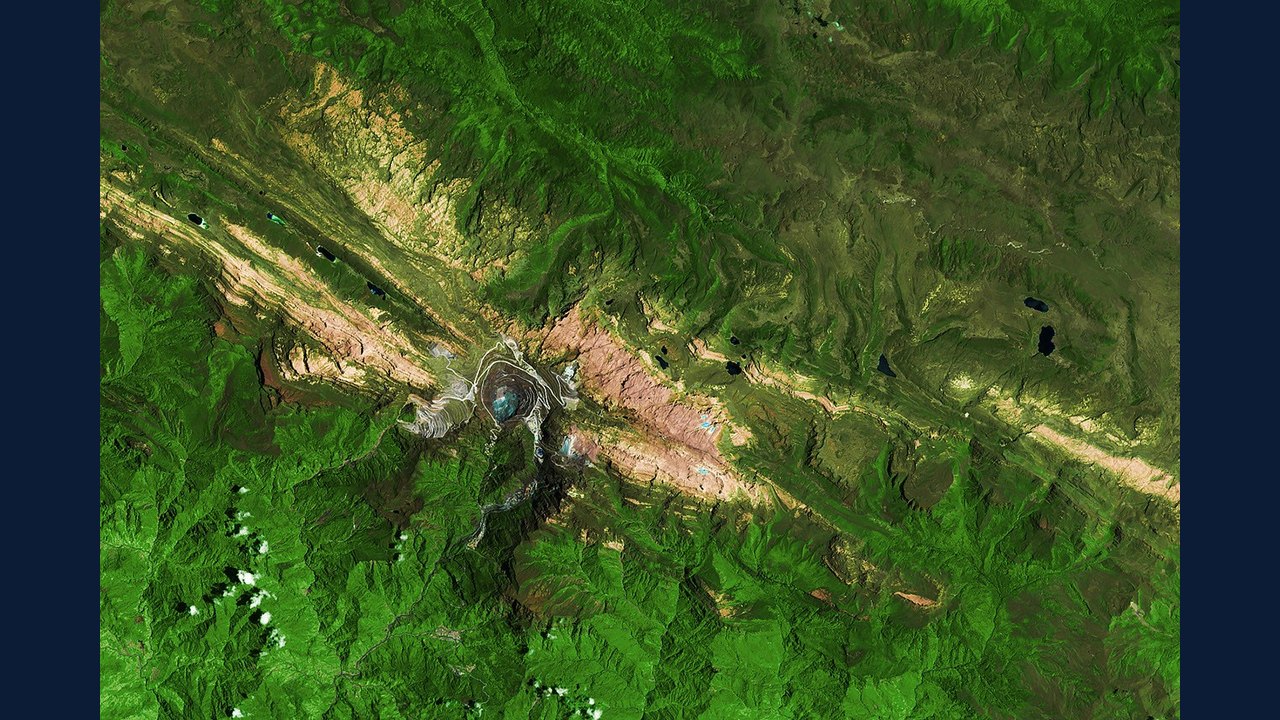
Image: NASA Science · Photo source · Resized and letterboxed to 16:9; no AI generation
Satellite observations and scientific reports indicate that ice near the summit of Puncak Jaya in Indonesia's Sudirman Range has shrunk significantly, reducing active glaciers to scattered, stagnant patches. Scientists studying the region describe these tropical ice formations as high-altitude indicators of broader environmental change.
Observations and Extent
Data reported from the Indonesian Agency for Meteorology, Climatology, and Geophysics (BMKG) outline a severe reduction over recent decades:
- 1988 Coverage: Glaciers covered approximately 4.31 square kilometers (1.66 square miles), according to climate scientist Donaldi Permana.
- 2025 Extent: By September 2025, satellite and aerial data indicated about 0.09 square kilometers (0.03 square miles) remained, equating to roughly 2 percent of the 1988 area.
- Thickness Changes: Measurements at the primary monitoring site on the East Northwall Firn showed a drop from 32 meters (105 feet) in 2010 to 4 meters (13 feet) in 2023, with ice at this specific site gone by November 2024.
- Future Surveys: An aerial survey planned for December aims to yield updated estimates for remaining ice.
Physical Changes and El Niño Impacts
As the ice thins, it breaks apart, exposing bedrock edges that accelerate melting. While snow continues to fall in the area, it does not persist long enough on bare rock to accumulate into new ice. Researchers note that to qualify as a glacier, a body of ice must be thick enough to flow downhill under its own weight and accumulate snow faster than it melts; Puncak Jaya's remaining ice no longer meets these criteria.
Past El Niño cycles have intensified this retreat. During warming periods, the freezing level rises above the summit, causing precipitation to fall as rain rather than snow. This reduces the reflective snow cover that shields the ice, exposing darker surfaces that absorb heat. The 2015-2016 and 2023-2024 El Niño events both brought notable periods of rapid thinning.
Practical Implications and Verification
Recent satellite studies suggest that complete disappearance of the main glacial ice areas could occur around 2030, with BMKG estimates suggesting an even faster timeline depending on climate conditions. Readers can verify original satellite imagery and findings through public archives provided by the NASA Earth Observatory and peer-reviewed studies published in scientific journals such as *PNAS* and *Cold Regions Science and Technology*.
AI-assisted reporting; source claims are attributed and have not been independently verified.
More to read
 Climate Change Pushes Earth's Ice Outside Its Safe Operating Space, Study Finds
 Startup Conducts First Subsea Geothermal Power Plant Test Near Underwater Volcano
 India Today HealthWealth Summit Opens in Noida
 New Study Suggests Ancient Ice Sheet Expansion Was Interrupted by Human Climate Change