Researchers Develop Soft Robotic Arms Powered by Algae Photosynthesis
· GlobeWire Daily Science Desk · Source: www.wired.com
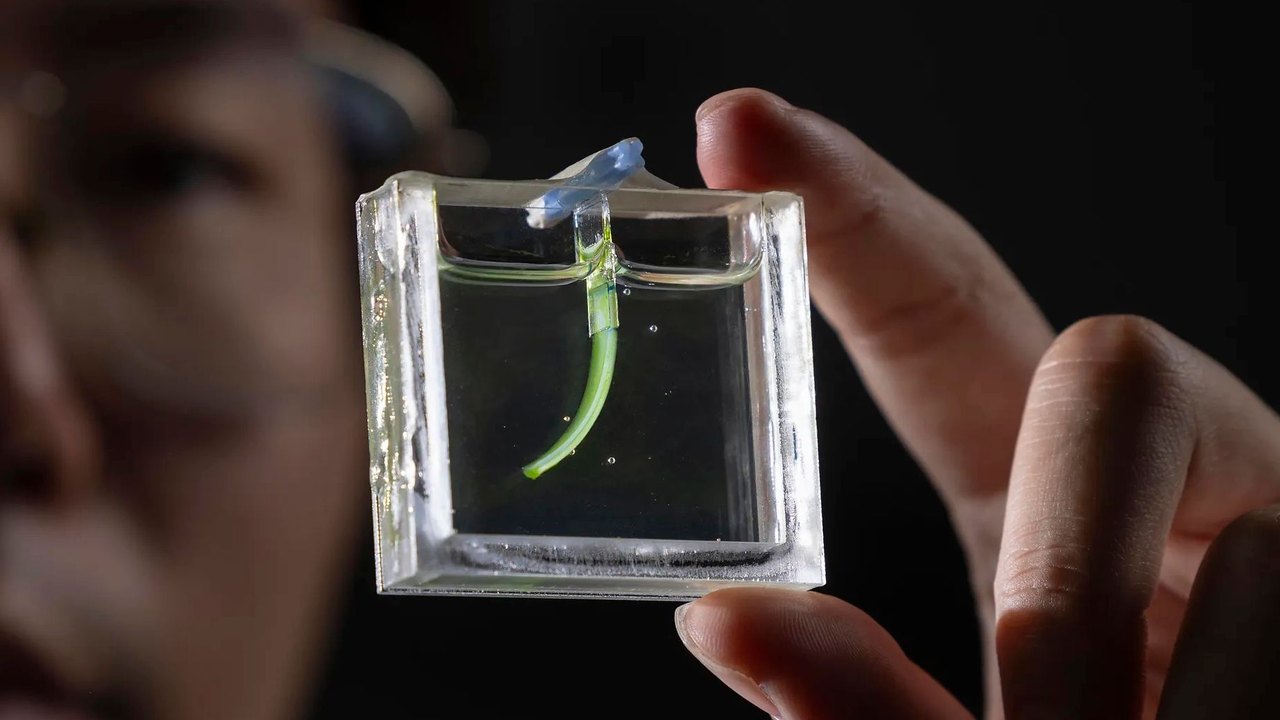
Image: Ritsuko Kawai · Photo source · Resized and letterboxed to 16:9; no AI generation
Researchers at Delft University of Technology have developed soft robotic arms that utilize living algae to generate mechanical motion. Unlike traditional metallic robots, these bioactuators function through the natural metabolic processes of microbes, specifically photosynthesis.
How the Algal Robot Works
- Structure: The arms consist of two layers of hydrogel, with algae living on the surface.
- Mechanism: When exposed to light, the algae perform photosynthesis, absorbing carbon dioxide and altering the local pH. This change causes the pH-responsive hydrogel layer to swell.
- Movement: In the dark, the algae respire, releasing carbon dioxide, which returns the hydrogel to an acidic state, causing it to shrink. This differential in volume between the layers facilitates bending.
Performance and Applications
The research team successfully tested several prototypes, including a four-fingered gripper capable of picking up small objects like rubber rings and hollow spheres. The team noted that while the chemical response is rapid, the physical bending process takes several hours to complete.
Because the algae do not require genetic modification, the robots are considered environmentally friendly. The team suggests that these devices could eventually be used in:
- Automated agricultural equipment.
- Fluid control in lab-on-a-chip devices.
- Underwater robotics systems.
Researchers believe these robots offer potential for long-term, self-sustaining operation, as they require only sunlight for energy. Further information on the methodology can be found in the official research publications from the Delft University team.
AI-assisted reporting; source claims are attributed and have not been independently verified.
More to read
 Bharatiya Antariksh Station Plans Include Internal and External Robotic Arms: ISRO Details
 Google Researchers Develop AMIE to Enhance Clinical Efficiency
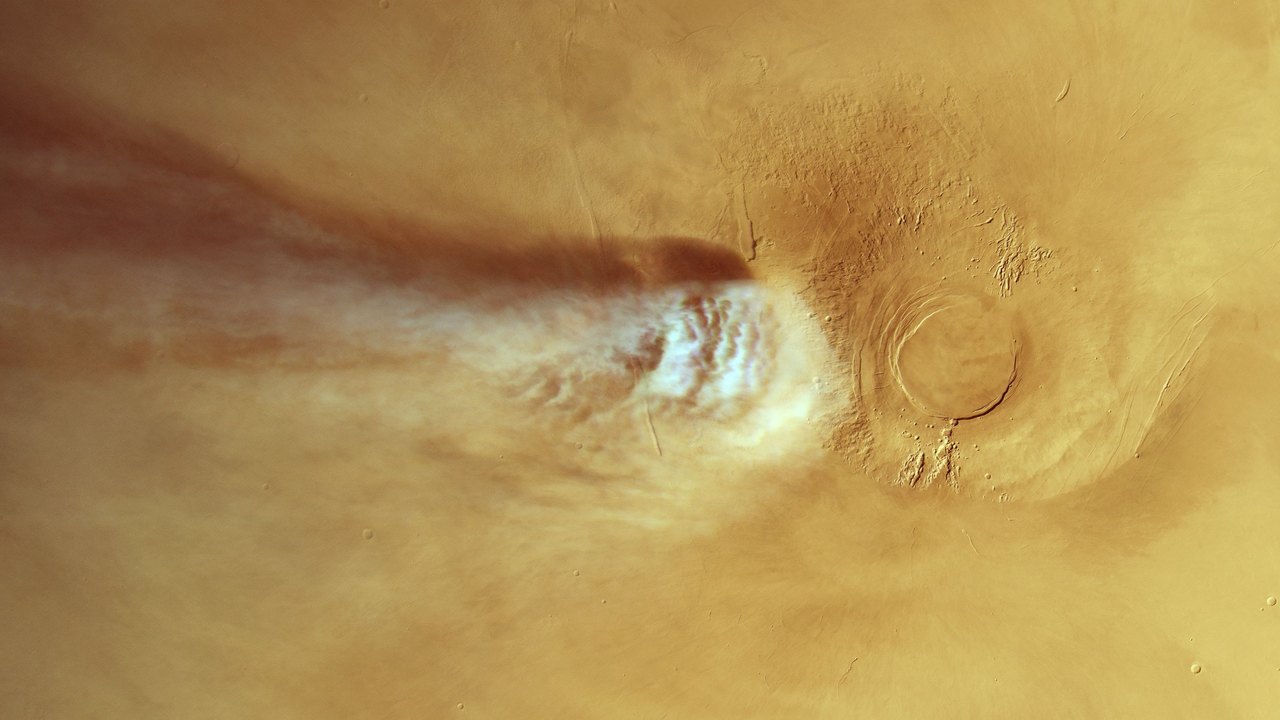 Researchers Model the Mysterious 1,000-Mile Cloud on Mars
 SpaceX Starship Flight 13 Completes Soft Indian Ocean Splashdown After Starlink Launch