South African Winemakers Embrace Conservation for Business Resilience Amid Climate Pressures
· GlobeWire Daily Science Desk · Source: arstechnica.com
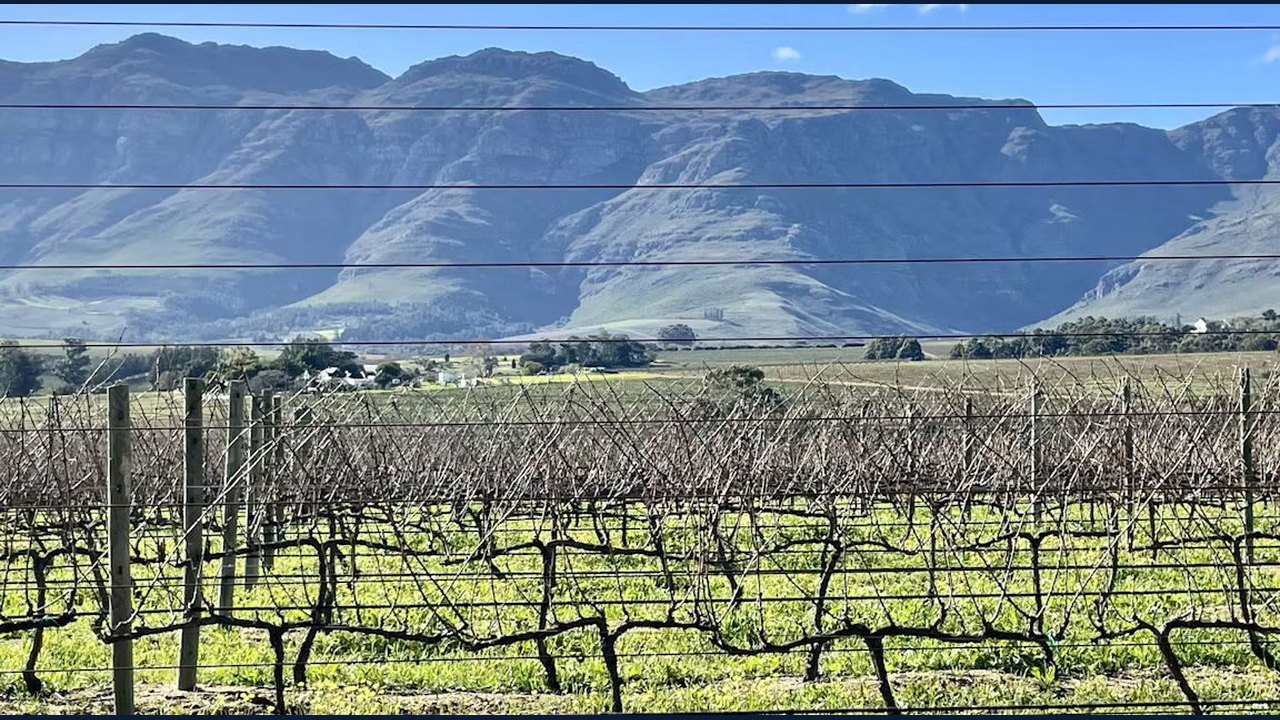
Image: Ars Technica · Photo source · Resized and letterboxed to 16:9; no AI generation
A recent study indicates that winemakers in South Africa’s Western Cape are increasingly viewing land conservation and sustainability practices as vital investments for long-term business success rather than competing priorities. Researchers note that growers are adapting to rising temperatures, droughts, and erratic rainfall by integrating environmental stewardship into daily operations.
Navigating Climate Pressures in the Western Cape
The Western Cape produces approximately 90 percent of South Africa's wine across more than 500 vineyards. Over the past five decades, regional temperatures have risen 1.5 to 2 times faster than the global average, and extreme storms have intensified. Severe droughts in the late 2010s placed significant stress on grape production.
Geographers and sustainability scientists spoke with growers, conservation practitioners, and wine industry experts, analyzing 107 vineyards—about 20 percent of the regional total—to understand how farmers are responding to these environmental and economic challenges.
Key Sustainability Practices Reported
- Water Management: Growers are restoring native vegetation along waterways, removing alien species, and reducing erosion to protect rivers and wetlands, which helps improve soil water retention.
- Soil Health: Producers are planting cover crops such as legumes, cereals, and brassicas, alongside using compost and mulching to enhance soil structure and organic matter.
- Pest Control: Many vineyards are reducing reliance on chemical pesticides by closely monitoring pest populations, encouraging beneficial insects, and utilizing targeted responses and pruning to prevent disease outbreaks.
Economic Viability and Market Adaptation
While certifications like the Integrated Production of Wine and the World Wildlife Fund Conservation Champions help marketability, operators emphasized that these practices are essential for keeping vineyards productive amid rising costs for labor, exports, and chemicals. As climate and financial pressures mount, total vineyard production area in the region has decreased, with some growers diversifying business models or switching crops.
Readers can review the original academic findings and methodology through academic publications associated with the researchers or visit programs like the World Wildlife Fund to verify conservation standards.
AI-assisted reporting; source claims are attributed and have not been independently verified.
More to read
 Germany Backs €20 Million Project to Restore Wildlife and Climate Resilience in Pacific Islands
 African Ministers Denounce 'Broken Promises' as COP31 Climate Talks Face Final-Day Deadlock
 Race to Replant Five South African Baobabs After Export Blocked
 Cop31 Summit in Turkey Set to Begin Amid Global Climate Pressures and Host Calls for Tangible Progress