Startup Proposes Concentrated Solar System With Built-In Fossil Fuel Backup
· GlobeWire Daily Science Desk · Source: arstechnica.com
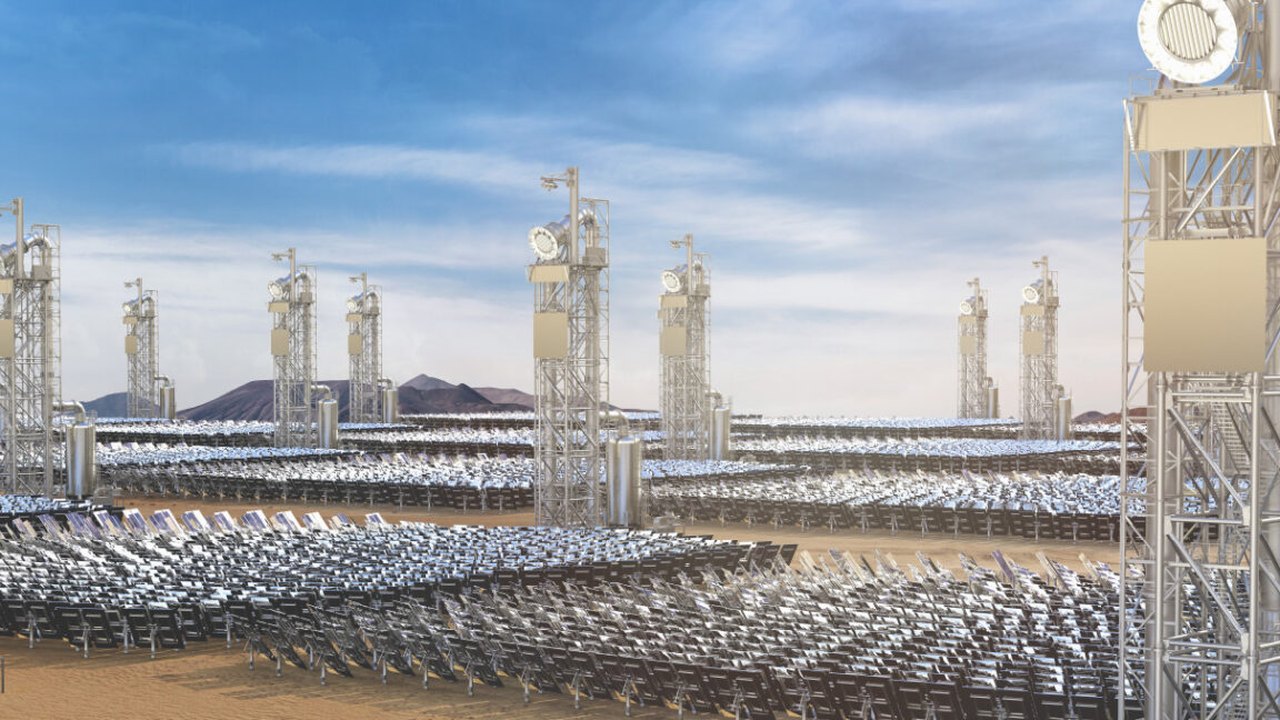
Image: Ars Technica · Photo source · Resized and letterboxed to 16:9; no AI generation
Concentrated solar energy systems use mirrors to convert sunlight into heat to drive traditional generating turbines, potentially offering around-the-clock power. While past improvements in heat storage showed promise, the dramatic drop in photovoltaic panel costs made standard solar panels the cheapest power source in most locations, largely halting new concentrated solar plant construction.
To address overnight needs and weather-related shortfalls, grids typically rely on separate facilities like batteries or natural gas plants. However, a US-based startup called 247Solar has contracted with India to build and operate a small 1-megawatt concentrated solar plant that integrates photovoltaics with a unique feature: a fossil-fueled backup system sharing most of the generating hardware.
How the System Works
Unlike systems using molten salts, 247Solar’s design heats ambient-pressure air up to approximately 970° C using a distinctive receiver. This hot air is directed to heat storage consisting of golf-ball-sized ceramic pellets, which can potentially store heat for nine to 20 hours after sunset.
- Heat Exchanger: Hot air goes to a heat exchanger designed as a drop-in replacement for a traditional turbine's combustion unit.
- Fuel Flexibility: The system can burn a variety of fossil fuels to heat the air when solar resources are low.
- Exhaust Reuse: Air exiting the heat exchanger remains around 250° C, serving as a secondary resource for industrial processes or absorption cooling.
Practical Implications and Markets
Company representatives report that adding fossil-fuel burning capabilities increases the total system cost by less than 10 percent. The initial 1-megawatt installation pairs two 200 kW generators and will help validate the engineering and financial viability of the design.
Beyond traditional power grids, the company targets remote mining sites that rely on expensive diesel shipments. By combining solar thermal power, process heat, and emission-reduction capabilities, the system aims to serve operations seeking supply chain carbon accountability. Verification of these claims and long-term economic feasibility will depend on the performance and market reception of upcoming installations.
How to Verify
Readers can verify original industry announcements and technical details by reviewing reports from energy technology publications, tracking official company press releases from 247Solar, and following updates from energy research organizations monitoring concentrated solar thermal innovations.
AI-assisted reporting; source claims are attributed and have not been independently verified.
More to read
 Data Centers Could Threaten US Climate Progress With Rising Fossil Fuel Demand
 New Study Suggests Human Fossil Fuel Emissions Halted the Onset of Another Ice Age
 COP31 Draft Deal Proposes Immediate Transition Away From Fossil Fuels and Increased Adaptation Finance
 Fossil-Fuel Industry Accused of Violating Colorado Law Over Undisclosed Drilling Chemicals