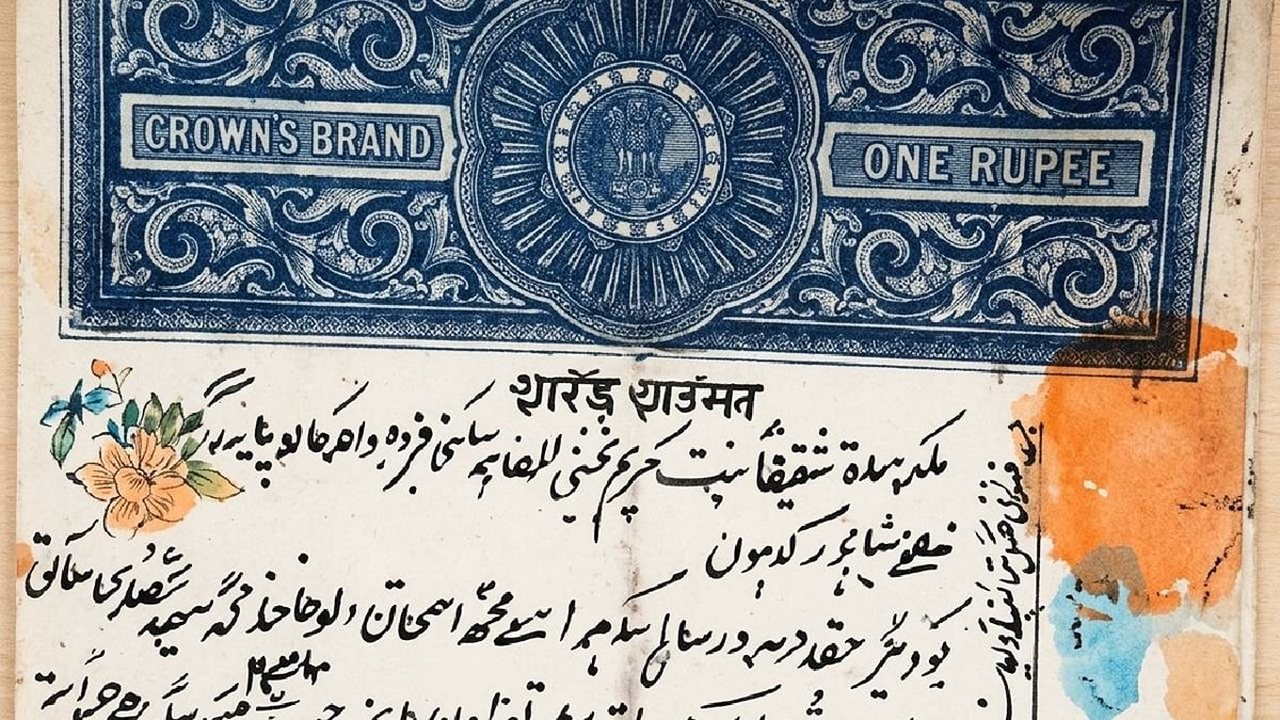
1947 में शफीकुन ने खुद लिखा निकाह‑समाप्ति का दस्तावेज़, आज भी मुस्लिम महिलाओं को ‘खुला’ का अधिकार
· GlobeWire Daily Editorial Desk · Source: www.amarujala.com
Summary
In Lucknow, activist Baby Khan Hina announced a *khula* (unilateral divorce) from her husband Vassan Khan on Friday, citing a precedent set in 1947 when Shafiqun of Sitapur wrote her own decree ending her marriage. Indian courts have progressively recognized a Muslim woman’s right to seek *khula* without the husband’s consent, subject to specific conditions.
Legal background
- April 9 2021 – Allahabad High Court: affirmed a wife’s unilateral *khula* right if she:
- Clearly declares the intention to dissolve the marriage,
- Offers to return the *mehr* or any other marital benefit,
- Shows genuine attempts at reconciliation.
- June 2025 – Telangana High Court (Mohammad Ilyas v Tabassum): reiterated that husband’s consent is not mandatory for *khula*, though a family court may be asked to confirm the decree in disputed cases.
Historical example
The 1947 document, written on an eight‑annum‑old stamp paper in Urdu, states that Shafiqun “does not wish to remain the wife of Muhammad Ishaq and is terminating the *nikah* of her own will.” The paper, reproduced by researcher‑activist Naish Hasan, is presented as an early illustration of the *khula* right.
Recent case in Lucknow
- Date of announcement: Friday, 21 Nov 2026.
- Woman: Baby Khan Hina, a social activist.
- Husband: Vassan Khan.
- Action: Publicly declared *khula* without seeking his consent, invoking the court‑approved conditions.
- Legal support: She can approach a family court for judicial confirmation if the husband contests the decree.
Expert commentary
- Retired principal Saida Sayra: Emphasises that *khula* is a right when the husband is abusive or reconciliation fails.
- Prof. Dr. Sabra Habib (Lucknow University) and Minority Commission member Rumana Siddiqui: Agree that *khula* should be treated as an equal right to divorce, provided the statutory conditions are met.
Practical implications
- Women can file a petition for *khula* in a family court, citing the three conditions above.
- Husbands are not required to give written consent, but courts may still examine the fairness of the request.
- Documentation: A written declaration, return of *mehr*, and evidence of failed reconciliation attempts strengthen the case.
- Verification: Interested parties should consult the Allahabad High Court judgment (2021) and the Telangana High Court order (2025) for the exact legal language.
How to verify the original announcement
- Check the Lucknow police FIR (if filed) and the family court docket for Baby Khan Hina’s petition.
- Review the Amar Ujala article dated 21 Nov 2026 for direct quotes and photographs of the declaration.
- Contact Naish Hasan or the research group that authenticated Shafiqun’s 1947 document for a copy of the original paper.
--- Keywords: ["khula right", "Muslim women divorce", "Shafiqun 1947 document", "Allahabad High Court 2021", "Telangana High Court 2025", "Baby Khan Hina", "unilateral divorce India"]
More to read
 Tragic Accident for Student Connected to Gopalpur: One Student Dies in Bike Collision in Asilabhar
 Calcutta High Court Issues Criminal Contempt Notice to TMC MP Abhishek Banerjee Over Social Media Post
 Gorakhpur: Five Arrested in BJP Leader's Son Death Case During Samajwadi Party Roadshow
 Kushinagar: Private School Manager Accused of Molesting Student, Detained by Police