Draft Prepared for Mayurakshi River Water-Sharing Agreement Between Jharkhand and West Bengal
· GlobeWire Daily Editorial Desk · Source: www.livehindustan.com
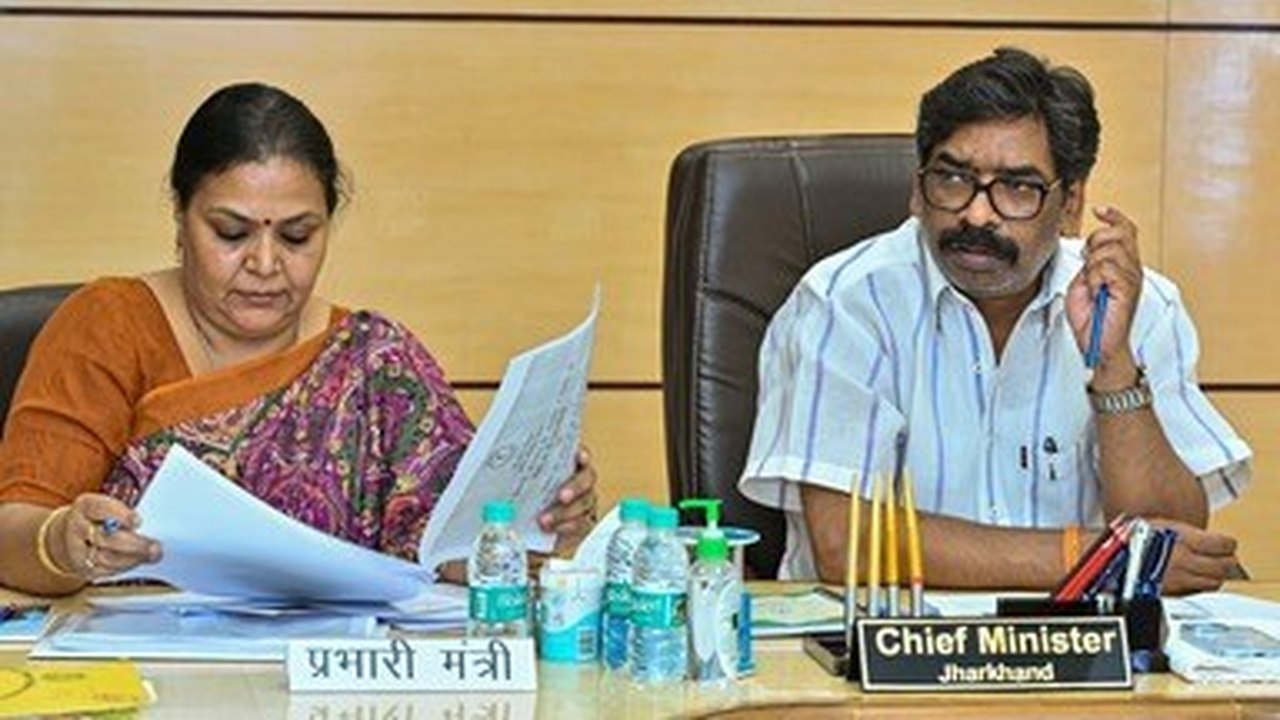
Image: www.livehindustan.com · Photo source · Resized and letterboxed to 16:9; no AI generation
A draft agreement has been prepared for the water-sharing of the Mayurakshi sub-basin between the governments of Jharkhand and West Bengal, which will require the mandatory consent of the central government's Ministry of Jal Shakti. According to the reported details, the proposed draft outlines a volumetric water-sharing mechanism and institutional arrangements for the joint control of the Masanjore and Tenughat dams.
Water Allocation and Basin Data
- The total annual water flow across major water structures on six rivers in the basin has been assessed at 1,280.18 million cubic meters (MCM).
- Both sides have adopted the 75 percent dependable flow based on historical flow data spanning 32 years from 1991 to 2022 as the standard.
- Under the proposed allocation, West Bengal is slated to receive 626.59 MCM and Jharkhand 653.59 MCM of water.
- The entire flow of the Bakreshwar and Kopai rivers, regulated via the Kandishala weir and Kultor barrage, has been assigned to West Bengal as no part of their catchment area lies in Jharkhand.
- Upon signing, this agreement will replace previous provisions related to Masanjore dam water use and joint control, including the March 12, 1949 agreement and the July 19, 1978 supplemental agreement. The state cabinet has reportedly approved the proposed draft.
Dispute Resolution and Review
- For dispute resolution, an initial attempt at an amicable settlement will be made through a standing committee.
- If consensus is not reached, the matter will be referred to the chief ministers of both states, followed by mediation through the Union Ministry of Jal Shakti.
- The agreement will be eligible for review 20 years after the date of signing.
Readers can verify official policy announcements through the respective state water resource departments or the Ministry of Jal Shakti portals.
AI-assisted reporting; source claims are attributed and have not been independently verified.
More to read
 ED Conducts Raids in Jharkhand and West Bengal Over Alleged Rs 290 Crore Bank Loan Scam
 Bhutan’s Shintaphu Lake Outburst Triggers Flash‑Flood Alert for Sankosh River Communities in Alipurduar, West Bengal
 20-Year-Old Man Allegedly Dies by Suicide After Jumping Off Bridge into River in Jharkhand
 Seven Die in Collision Between Wedding Vehicle and Truck in Ramgarh, Jharkhand