IMD Forecasts Above-Normal Temperatures and Below-Normal Rainfall for India in November
· GlobeWire Daily Editorial Desk · Source: www.thehindu.com
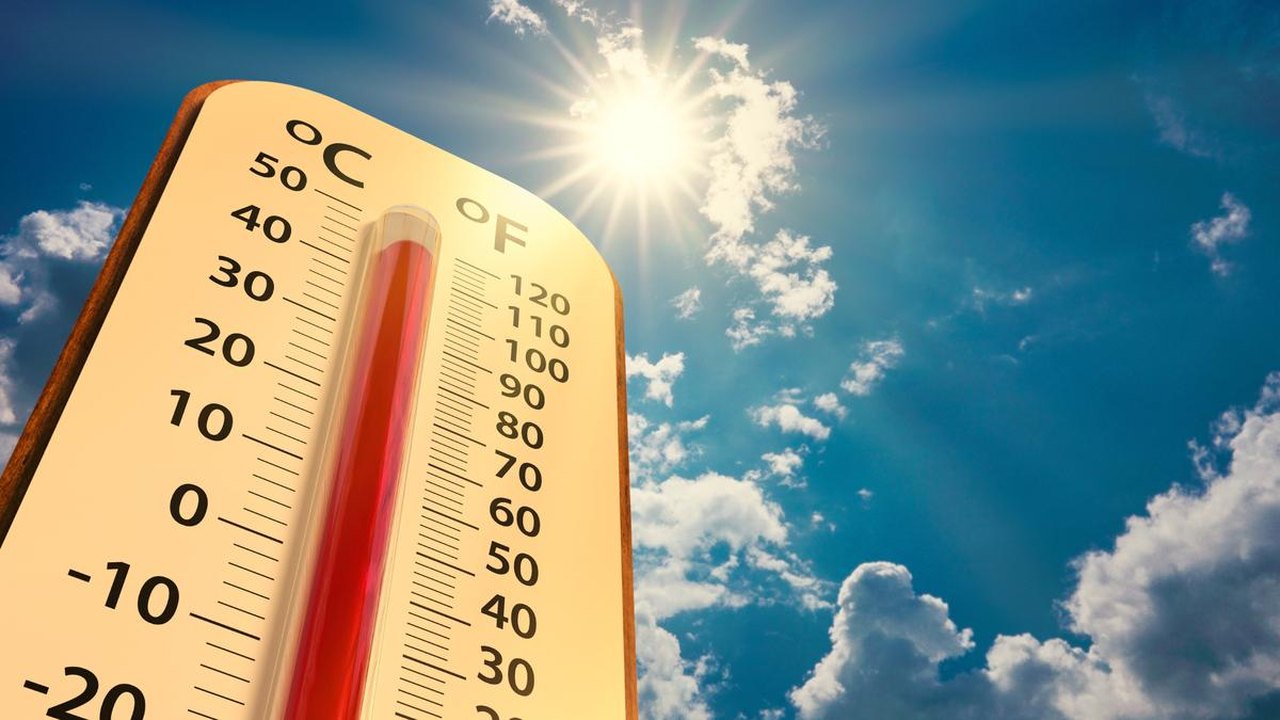
Image: The Hindu · Photo source · Resized and letterboxed to 16:9; no AI generation
The India Meteorological Department (IMD) announced in its monthly forecast released on Saturday (October 31, 2026) that above-normal maximum temperatures are expected across most parts of India in November. However, normal to below-normal maximum temperatures are anticipated along some regions of the Himalayan foothills.
Temperature and Rainfall Outlook
According to the IMD's forecast:
- Maximum Temperatures: Above-normal across most parts of the country, excluding Himalayan foothill regions.
- Minimum Temperatures: Expected to be above-normal in most areas, while many parts of central and eastern India may experience normal to below-normal minimum temperatures.
- Rainfall Patterns: Below-normal rainfall is projected for most parts of the country, except for specific areas in central, northwest, and Northeast India where normal to above-normal rainfall is likely.
- Long Period Average (LPA): India as a whole is expected to receive 77% of the LPA rainfall for November. The national LPA for November, based on 1971–2020 data, is approximately 29.7 mm. South Peninsular India is also expected to record 77% of its LPA, which stands at around 118.7 mm.
Regional Weather Systems and El Nino
The IMD reported that a low-pressure area formed over the South Andaman Sea and adjoining Andaman and Nicobar Islands, which is expected to intensify into a depression over the southeast Bay of Bengal and nearby areas on Sunday. Meanwhile, S. Stella, Head of the IMD Centre Hyderabad, noted that a depression over the Bay of Bengal may bring rain to Telangana, with heavy showers likely in nine districts on November 2, though the system is expected to weaken considerably before reaching the region.
Furthermore, the IMD highlighted that very strong El Nino conditions are currently prevailing over the Equatorial Pacific Ocean. Global climate models, including the Monsoon Mission Coupled Forecast System (MMCFS), indicate that these strong El Nino conditions are likely to persist through November and December. El Nino is an ENSO phase that often disrupts normal global temperature and rainfall patterns, potentially causing droughts, heavy rainfall, flooding, and increased global heat.
AI-assisted reporting; source claims are attributed and have not been independently verified.
More to read
 INDIA Bloc Plans Mock Parliament and Prepares for November 1 Delhi Rally Over Election Commission Concerns
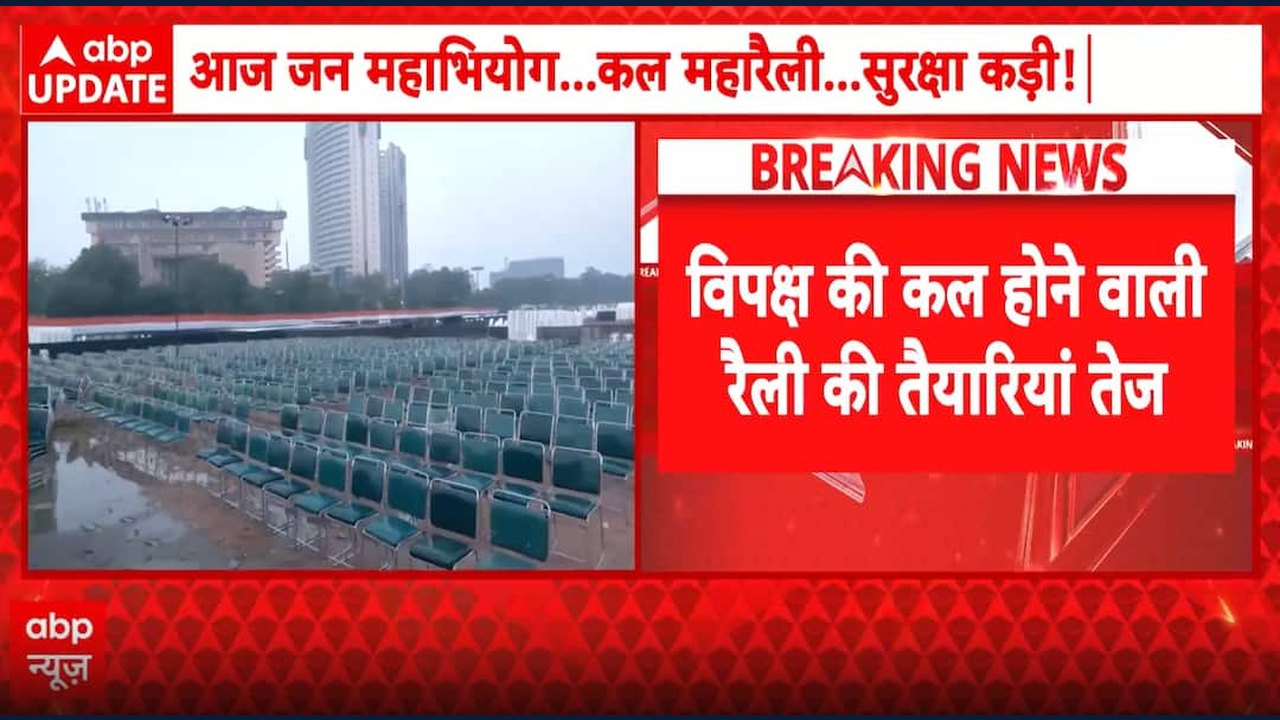 INDIA Bloc Readies Ramlila Maidan for November 1 Rally Amid Weather Challenges
 INDIA Bloc Organizes Mock Impeachment of CEC Ahead of November 1 Delhi Rally
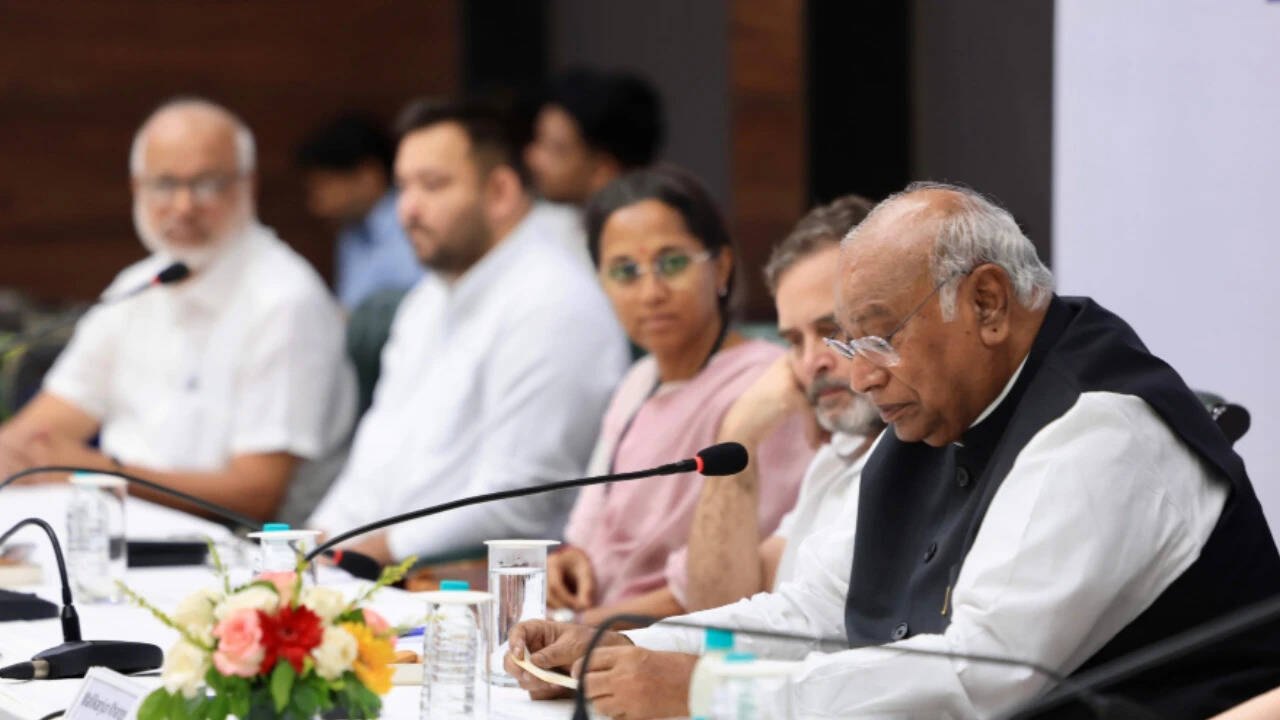 INDIA Bloc Defers 'Public Impeachment' of CEC Gyanesh Kumar Amidst Heavy Rainfall
Trending on GlobeWire Daily
Selected from recent coverage and related topics; not live search rankings.
 Madhya Pradesh Government Plans Revenue Generation from 117-Year-Old Edward Villa in Mumbai Through Leasing
 iPhone 18 Pro Named TechRadar Product of the Year 2026
 Google Project Suncatcher Runs Gemma 4 AI on Orbiting Satellite and Receives First Response
 Gender Disparities in Eye Care Access Across India Examined
 Satellite Images Show Cyclone Arnab Weakening Over India As New System Brews
 Expanding Green and Blue Spaces Crucial for India's Economic and Public Health, Reports Indicate