Decoding Feline Language: What Cat Experts Say About Behavior and Signals
· GlobeWire Daily Lifestyle Desk · Source: www.theguardian.com
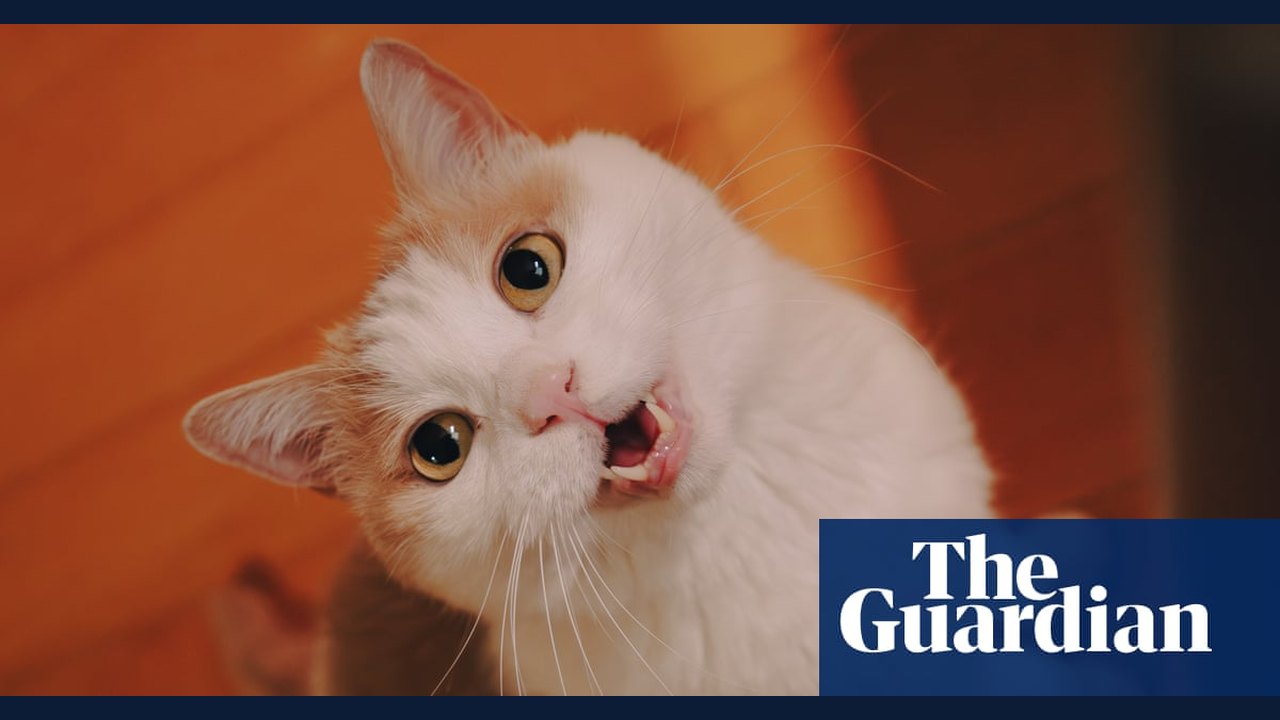
Image: the Guardian · Photo source · Resized and letterboxed to 16:9; no AI generation
Pet owners often wonder what their cats are trying to communicate through meows, purrs, and body language. Experts in feline behavior note that understanding cats requires observing their overall context rather than relying on single signals alone.
How Cats Perceive and Bond With Humans
Cat behavior consultants report that felines view humans in varied ways, acting both like peers and caregivers. Research indicates that cats form distinct secure or insecure attachments with their human guardians, challenging the stereotype of cats as completely aloof.
- Attachment styles: Similar to human children, cats form emotional bonds with caregivers.
- Vocal adaptation: Adult cats primarily use meows to communicate with humans rather than with other adult felines.
Interpreting Body Language and Vocal Cues
Experts explain that felines communicate through a combination of sound, scent, touch, facial expressions, and posture.
- Relaxed signals: Half-closed eyes, upright tails, slow blinking, and soft purring often indicate contentment and trust.
- Signs of stress: Tense body posture, flattened ears, growling, hissing, and a subtle lip-lick can signal discomfort, fear, or rising aggression.
- Complex purring: While purring often shows happiness, it can also act as a self-soothing mechanism when a cat is stressed or in pain.
Practical Ways to Communicate Better
Research suggests cats can recognize their names and distinguish familiar voices. To improve interactions, behaviorists recommend adopting a calm approach.
- Observe context: Watch the whole cat before initiating contact, and let the cat choose whether to approach.
- Pause and test: Offer gentle strokes near the head or cheeks, then pause to see if the cat seeks more interaction.
- Respect boundaries: Rolling onto the back does not automatically invite a belly rub, and sitting nearby may simply mean the cat enjoys your presence without wanting to be petted.
To verify original expert claims, readers can consult certified feline behaviorists or review published studies on animal cognition and attachment theory.
AI-assisted reporting; source claims are attributed and have not been independently verified.
More to read
 Do Vitamin B12 Shots Actually Boost Energy? What Experts Say
 What Experts Say About Unusual Urine Colors and Hydration
 Can Red Light Improve Your Sleep? What Experts Say About the Wellness Trend
 Everyone is Thin and We’re Not Allowed to Say So: The Shifting Language of Bodies