Everyone is Thin and We’re Not Allowed to Say So: The Shifting Language of Bodies
· GlobeWire Daily Lifestyle Desk · Source: www.theguardian.com
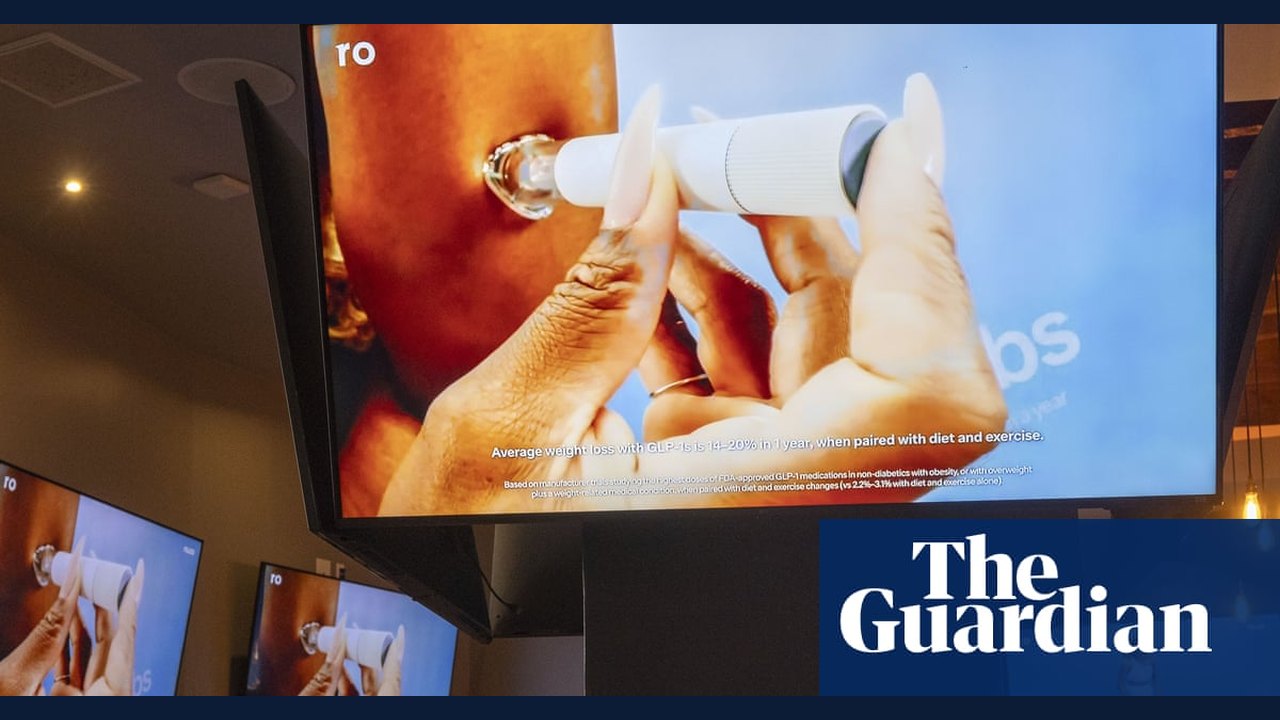
Image: the Guardian · Photo source · Resized and letterboxed to 16:9; no AI generation
Body positivity gained mainstream popularity in the late 2010s, promoting the idea that all body types are equally valid and shifting public conversations away from diet culture. However, cultural ideals have evolved amidst the widespread availability of GLP-1 weight-loss medications, plastic surgery advertisements, and algorithmic social media feeds. Experts and commentators report that while the explicit worship of thinness remains socially taboo in professional settings, slimness continues to be heavily rewarded in fashion and media.
Recent fashion events, such as runway shows, continue to feature predominantly straight-sized models, while major pharmaceutical sponsorships at high-profile cultural events have drawn criticism from eating disorder advocates. At the same time, the language surrounding health and wellness has adapted, with online influencers frequently discussing macronutrients, fitness, and body composition rather than traditional diets.
The Evolution of Body Discourse
- The Peak of Body Positivity: In the late 2010s, campaigns featured a broader range of body types, and terms like "fat shaming" entered mainstream lexicon to challenge industry standards.
- The GLP-1 Era: The rise of weight-loss drugs and aesthetic procedures has coincided with feeds saturated by fitness influencers and transformation content.
- Shifting Terminology: Modern wellness culture often reframes aesthetic goals through the lens of fitness, macros, and longevity rather than explicit dieting.
Practical Implications and Verification
While public discourse remains divided on how to discuss weight and health without promoting harmful behaviors, individuals navigating social media can critically evaluate algorithmic content. Readers can verify original statements and trend reports by reviewing public announcements from health organizations, academic studies on media diversity, and primary statements from cultural institutions.
AI-assisted reporting; source claims are attributed and have not been independently verified.
More to read
 Can Red Light Improve Your Sleep? What Experts Say About the Wellness Trend
 Examining the iPhone Duo 'Crackgate' Claims: Why a Few Faulty Units Do Not Signify a Major Crisis
 Deepinder Goyal Confirms Temple Wearable Will Not Trigger Airport Metal Detectors
 British Council's £197m Debt Should Mostly Be Written Off, MPs Say
Trending on GlobeWire Daily
Selected from recent coverage and related topics; not live search rankings.
 Madhya Pradesh Government Plans Revenue Generation from 117-Year-Old Edward Villa in Mumbai Through Leasing
 iPhone 18 Pro Named TechRadar Product of the Year 2026
 Google Project Suncatcher Runs Gemma 4 AI on Orbiting Satellite and Receives First Response
 Gender Disparities in Eye Care Access Across India Examined
 Satellite Images Show Cyclone Arnab Weakening Over India As New System Brews
 Expanding Green and Blue Spaces Crucial for India's Economic and Public Health, Reports Indicate