How to Manage Dandruff at Home and When to Seek Professional Help
· GlobeWire Daily Lifestyle Desk · Source: www.theguardian.com
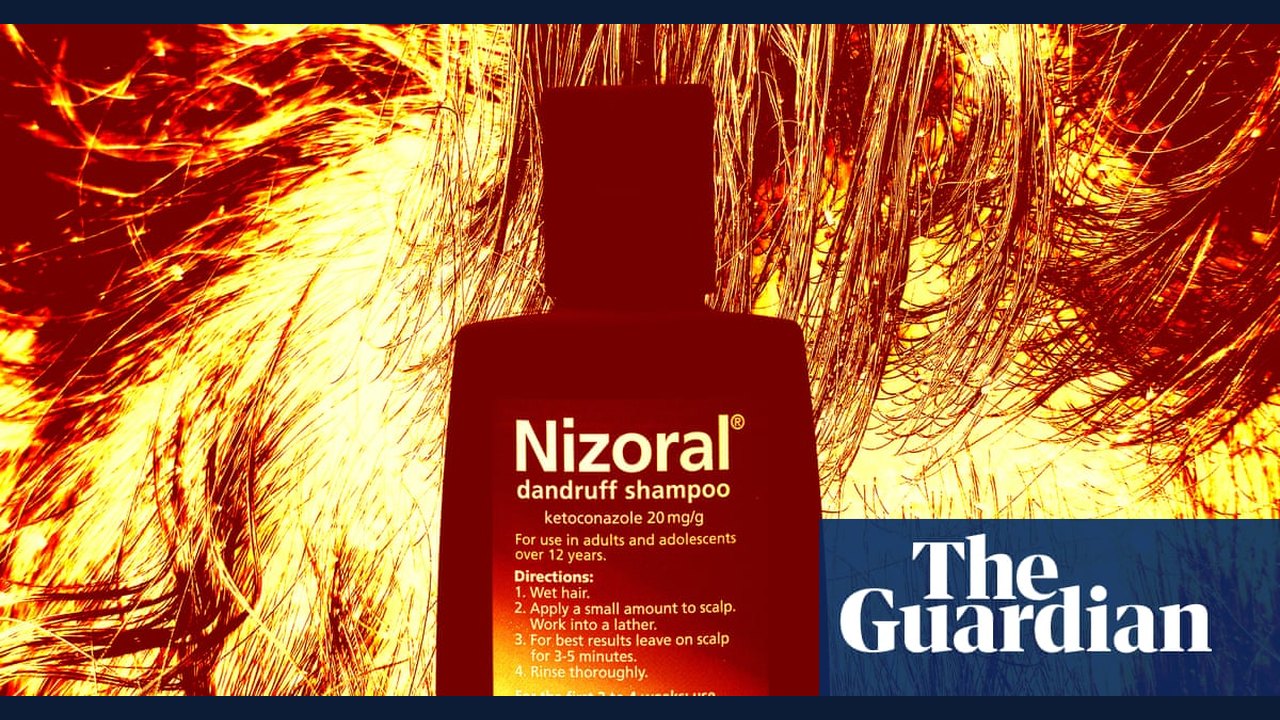
Image: the Guardian · Photo source · Resized and letterboxed to 16:9; no AI generation
Dandruff is a common scalp condition affecting about half of the global population, characterized by itching and white flakes. While experts report that its exact cause remains unknown, it is generally considered the mildest form of seborrheic dermatitis, an inflammatory skin condition affecting the scalp, face, or trunk.
Experts note that factors such as the scalp's microbiome, skin barrier function, and immune response all play a role. Contributing elements may include genetics, weather, workouts, and hormones.
Managing Dandruff at Home
For mild scaling without significant redness, over-the-counter medicated shampoos can help. Common active ingredients include:
- Zinc pyrithione: Effective at reducing yeast populations and inflammation (note: banned in the UK and EU).
- Selenium sulfide: Helps lower microbial counts but can dry out textured hair.
- Ketoconazole: An antifungal option that helps control scalp flakes.
Experts recommend massaging the shampoo directly into the scalp and leaving it on for a few minutes before rinsing, typically using it about three times a week. Fragrance-free options are often advised to avoid contact allergies.
When to Consult a Professional
If over-the-counter treatments do not work, or if you experience symptoms like hair loss, a burning sensation, thick red plaques, or spreading rashes, dermatologists advise seeking a clinical evaluation. These signs may point to other conditions such as psoriasis, contact dermatitis, or scarring alopecia, which require prescription-strength treatments or different medical approaches.
To verify original health guidance, consult certified dermatologists or peer-reviewed medical literature.
AI-assisted reporting; source claims are attributed and have not been independently verified.
More to read
 Understanding Sudden Blood Pressure Spikes: Causes, Science, and When to Seek Medical Help
 Mental Health Awareness Has Grown, But Professional Help-Seeking Remains Low: Expert Insights
 Instagram Rolls Out Content Protection Feature to Help Creators Manage Video Copies
 When Pakistan's Floods Reached Home: An Academic's Relief Effort