Understanding Sudden Blood Pressure Spikes: Causes, Science, and When to Seek Medical Help
· GlobeWire Daily Lifestyle Desk · Source: www.bhaskar.com
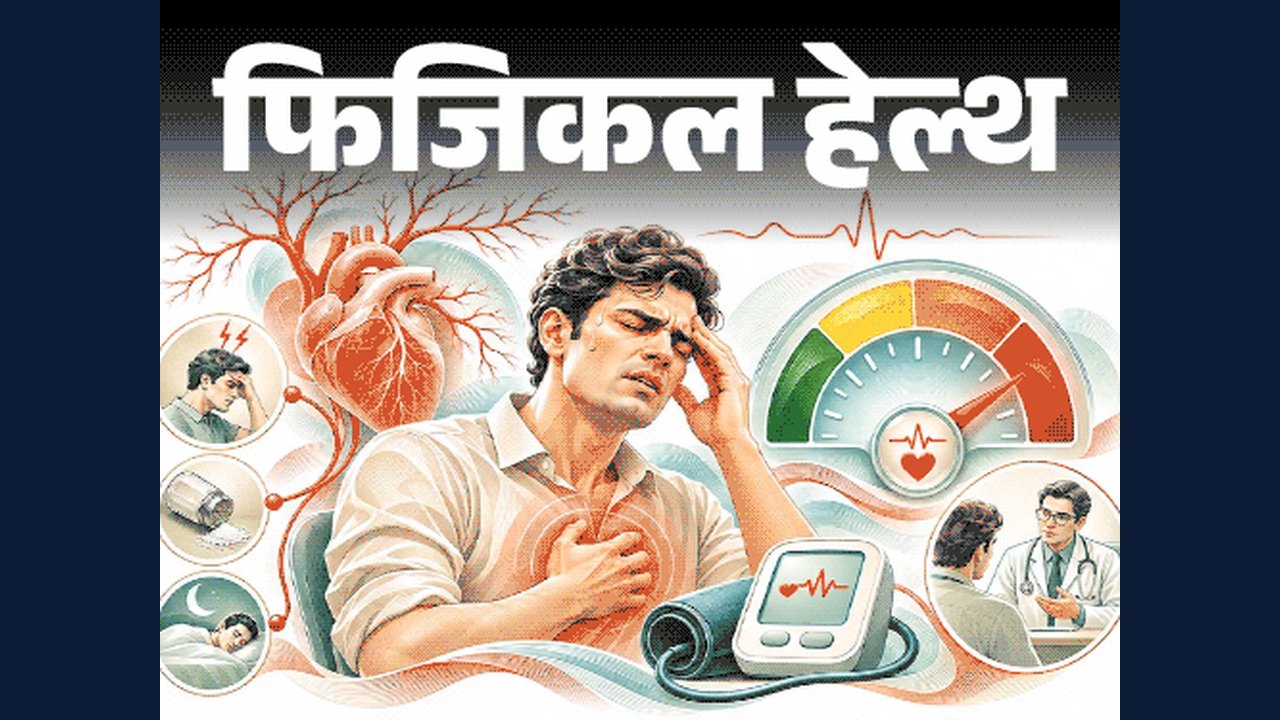
Image: अदिति ओझा · Photo source · Resized and letterboxed to 16:9; no AI generation
A sudden increase in blood pressure can be a serious health concern. Factors such as stress, anger, pain, lack of sleep, or high intake of salt, caffeine, and nicotine can temporarily elevate blood pressure levels. While these spikes often resolve on their own, sustained high blood pressure poses long-term risks to the heart, brain, and kidneys. Because hypertension frequently develops without clear symptoms, it is often referred to as the 'silent killer.'
According to a World Health Organization (WHO) report, approximately 30% of adults aged 30 to 79 in the country—representing over 210 million individuals—suffer from high blood pressure. This means roughly one in three adults in this age group lives with hypertension. Notably, only 39% of these individuals are aware of their condition.
Dr. Samir Kubba, Director of Cardiology at Dharamshala Narayana Superspeciality Hospital in Delhi, explains the science behind blood pressure, what to do during a sudden spike, and how to monitor cardiovascular health safely.
Normal Blood Pressure and Physiology
For a healthy adult, normal blood pressure is typically measured at 120/80 mmHg.
- 120 mmHg (Systolic Pressure): The pressure when the heart pumps blood.
- 80 mmHg (Diastolic Pressure): The pressure when the heart rests between beats.
Blood pressure rises when the heart pumps with greater force or when arteries constrict. Spikes can occur due to missed medication doses, intense stress, physical activity, or pain.
Recognizing a Medical Emergency
Not every sudden increase in blood pressure constitutes a medical emergency. Temporary spikes driven by anxiety or exertion often normalize after rest. However, specific warning signs require immediate medical attention:
- Blood pressure readings remaining consistently high at or above 180/120 mmHg.
- Accompanying symptoms such as chest pain, shortness of breath, severe headache, blurred vision, weakness, or difficulty speaking.
Immediate Actions During a BP Spike
If you experience a sudden rise in blood pressure, experts recommend following these practical steps:
- Stay Calm: Panic can further elevate blood pressure.
- Rest: Sit quietly and reduce physical activity for 5 to 10 minutes before rechecking your blood pressure.
- Avoid Unsolicited Medication: Do not take extra medication without prior medical instruction, as it can cause blood pressure to drop too rapidly.
- Seek Help: If symptoms persist or if you lack a home monitoring device, visit a nearby clinic, pharmacy, or healthcare center.
Long-Term Management and Prevention
Regular monitoring is essential for managing hypertension. Experts advise checking blood pressure once or twice daily at fixed times, such as morning and evening, rather than repeatedly every few minutes. Patients diagnosed with high blood pressure should maintain routine follow-ups every three to six months and undergo recommended screenings, including blood sugar tests, kidney function tests, lipid profiles, and lifestyle modifications incorporating a balanced diet rich in whole foods and reduced caffeine intake.
AI-assisted reporting; source claims are attributed and have not been independently verified.
More to read
 Understanding Sad Nipple Syndrome: What Causes the Sudden Rush of Dysphoria?
 How to Manage Dandruff at Home and When to Seek Professional Help
 Understanding Emotional Manipulation: When a Partner Threatens Breakup Over Minor Issues
 Isabgol Health Benefits: Understanding the Science, Fiber Content, and Usage of Psyllium Husk