Understanding Sad Nipple Syndrome: What Causes the Sudden Rush of Dysphoria?
· GlobeWire Daily Lifestyle Desk · Source: www.theguardian.com
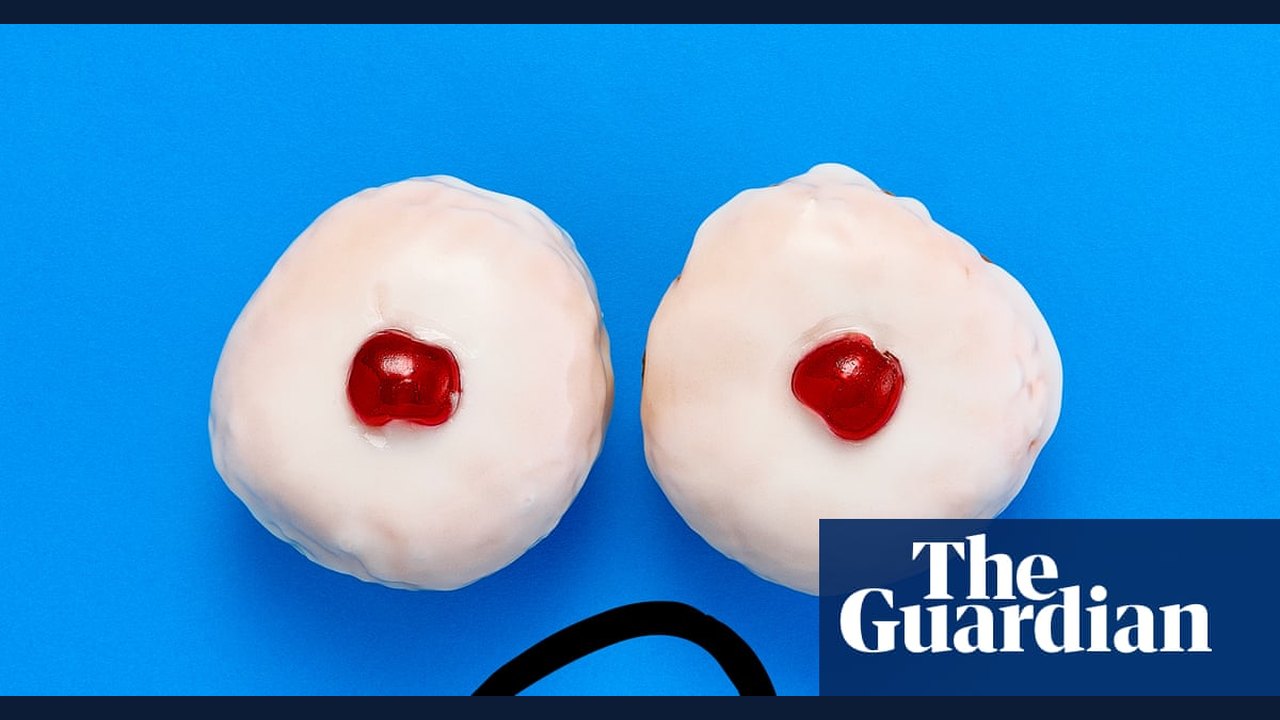
Image: the Guardian · Photo source · Resized and letterboxed to 16:9; no AI generation
An anecdotal phenomenon known as Sad Nipple Syndrome (SNS) describes a sudden onset of dysphoria, anxiety, or deep sadness following nipple stimulation. While not an official medical diagnosis, many individuals report experiencing these brief, confusing emotional shifts during everyday activities or intimacy.
What is Sad Nipple Syndrome?
People who experience SNS describe a sudden sinking feeling, dread, or a sense of homesickness and nostalgia triggered by light contact, such as changing clothes or towel drying. Because formal clinical research remains limited, much of the awareness surrounding SNS is shared through online communities and word of mouth, helping individuals realize they are not alone in their experiences.
Potential Causes and Scientific Theories
Medical experts note that formal research specifically targeting SNS is currently lacking. However, researchers look to related, better-studied conditions for clues:
- Dysphoric Milk Ejection Reflex (D-MER): An emotional response occurring during breastfeeding milk letdown, characterized by sudden sadness or worthlessness.
- Post-coital dysphoria: Negative feelings that occur after the hormonal spike of orgasm.
Experts theorize that these conditions involve complex interactions within the body's hormonal systems, particularly involving oxytocin, prolactin, and dopamine. Some suggest that temporary mood destabilization might stem from inappropriate dopamine activity acting as a mood stabilizer alongside prolactin.
Practical Implications and Coping
The lack of clinical recognition often leaves sufferers feeling isolated or confused about their mental state. Experts emphasize that SNS is not a reflection of relationship dissatisfaction or a lack of attraction. Clear communication between partners, establishing boundaries, and simply naming the phenomenon can significantly reduce shame and anxiety.
*How to Verify:* Readers seeking verified medical insights can consult peer-reviewed journals on endocrinology, lactation, or consult board-certified OB-GYNs and healthcare professionals for guidance on reproductive and hormonal health.
AI-assisted reporting; source claims are attributed and have not been independently verified.
More to read
 Understanding Sudden Blood Pressure Spikes: Causes, Science, and When to Seek Medical Help
 Understanding Dark Under-Eye Circles: Dermatologist Insights on Causes and Treatments
 Understanding Climate Change: Causes, Impacts, and Global Action
 Understanding Emotional Manipulation: When a Partner Threatens Breakup Over Minor Issues