New IAF Chief Air Chief Marshal Ashutosh Dixit Outlines Strategic Priorities Under 'VAYU' Framework
· GlobeWire Daily Editorial Desk · Source: www.thehindu.com
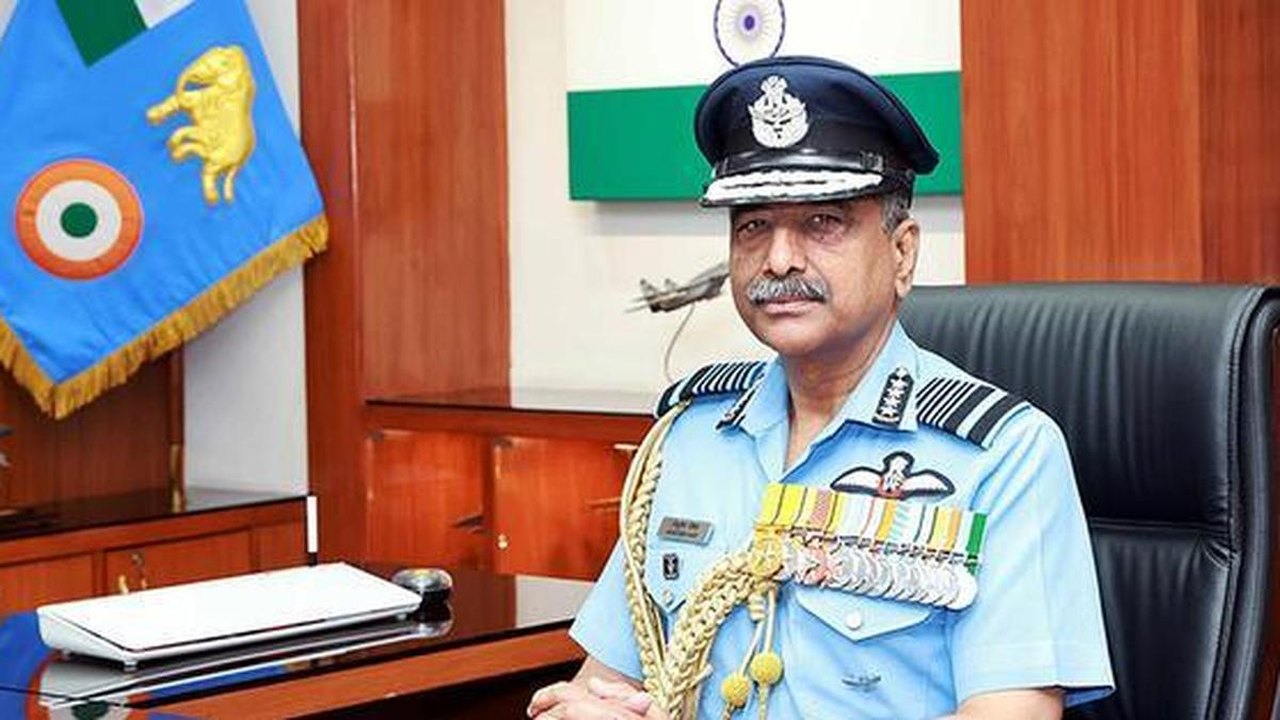
Image: The Hindu · Source image rights not independently verified · Photo source · Cropped to 16:9; original source image
Leadership Transition in the Indian Air Force
Air Chief Marshal Ashutosh Dixit has officially assumed command as the 29th Chief of the Air Staff of the Indian Air Force (IAF), succeeding Air Chief Marshal A.P. Singh following his retirement after 43 years of service. The transition ceremony took place following a ceremonial guard of honour at the Air Force Station parade ground in New Delhi, preceded by a tribute to fallen soldiers at the National War Memorial.
Upon taking charge, the newly appointed IAF Chief introduced his guiding strategy for the force structured around the acronym VAYU, which encompasses vigilance, self-reliance, innovation, and joint operational unity.
The VAYU Framework and Operational Priorities
According to the official statements reported from the assumption of command, the VAYU framework outlines four core focus areas for the modernization and operational readiness of the Indian military's air arm:
- Vigilance and Readiness: Emphasizing that every squadron, radar installation, air defence unit, and air warrior must maintain a state of immediate readiness. Restoring combat strength to sanctioned levels remains a primary objective.
- Aatmanirbharta (Self-Reliance): Prioritizing indigenous procurement and development initiatives, including the Tejas Mk1A and Mk2 fighter aircraft programs, the Advanced Medium Combat Aircraft (AMCA) project, alongside domestically manufactured sensors and weapon systems.
- Yukti (Ingenuity & Innovation): Focusing on tactical and technological adaptations, such as networked and artificial intelligence-enabled command and control systems, layered counter-drone defenses, responsive maintenance protocols, and exploring near-space as an operational domain.
- Unity of Effort: Stressing the necessity of integrated planning and joint military operations alongside the Indian Army, Indian Navy, and other national agencies to maximize air power effectiveness.
Strategic Context and Evolving Warfare
Addressing the broader security landscape, the IAF Chief noted that contemporary military strategy is increasingly defined by emerging technologies and multi-domain warfare. These include unmanned aerial systems (drones), long-range precision munitions, space and cyber capabilities, artificial intelligence, and the electromagnetic spectrum.
He also acknowledged the operational legacy of his predecessor, referencing achievements under Operation Sindoor, while underscoring the force's ongoing transition to meet national security requirements over the coming decade.
Verification and Further Information
Readers and analysts seeking to verify the official details of the leadership transition and the strategic outlines can consult official releases issued by the Ministry of Defence, Government of India, or updates published through the official channels of the Indian Air Force.
AI-assisted reporting; source claims are attributed and have not been independently verified.
More to read
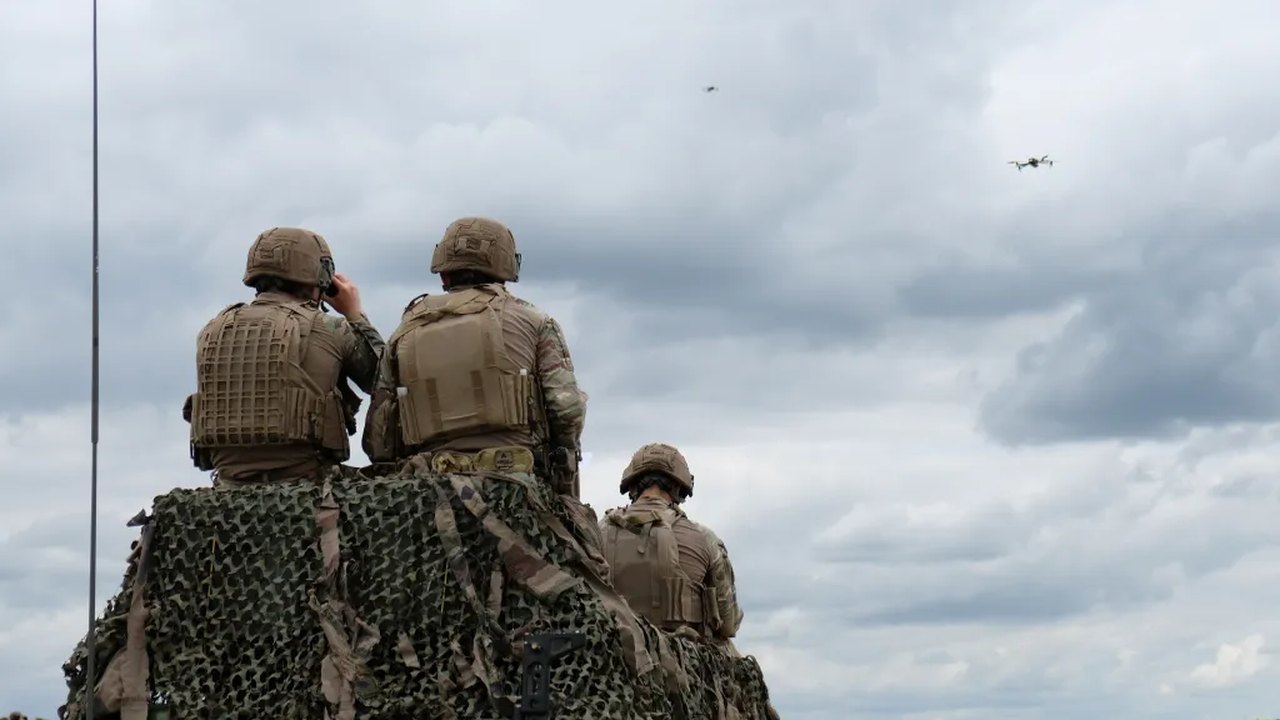 French Army Transforms Armored Cavalry Units into Drone-Centric Combat Squadrons
 From Hyrule to Horror: Zelda Characters with Spine-Chilling Potential
 Vishwak Sen’s 'Cult' Sees Box Office Uptick on Second Day
 Aadarsha Kutumbam House No: 47 Sees Saturday Growth in Box Office Performance
Trending on GlobeWire Daily
Selected from recent coverage and related topics; not live search rankings.
From Hyrule to Horror: Zelda Characters with Spine-Chilling Potential Pakistan Secures Tri-Series Title With Historic ODI Chase
 From Bristol Roots to Prime Time: The Rise of Maya Jama
 Ayesha Curry Faces Public Scrutiny Following Trailer Release for 'Second Chance Holiday'
 Box Office Update: 'You Can See Everything' and 'Clayface' Battle for Top Spot Over Sluggish Halloween Weekend
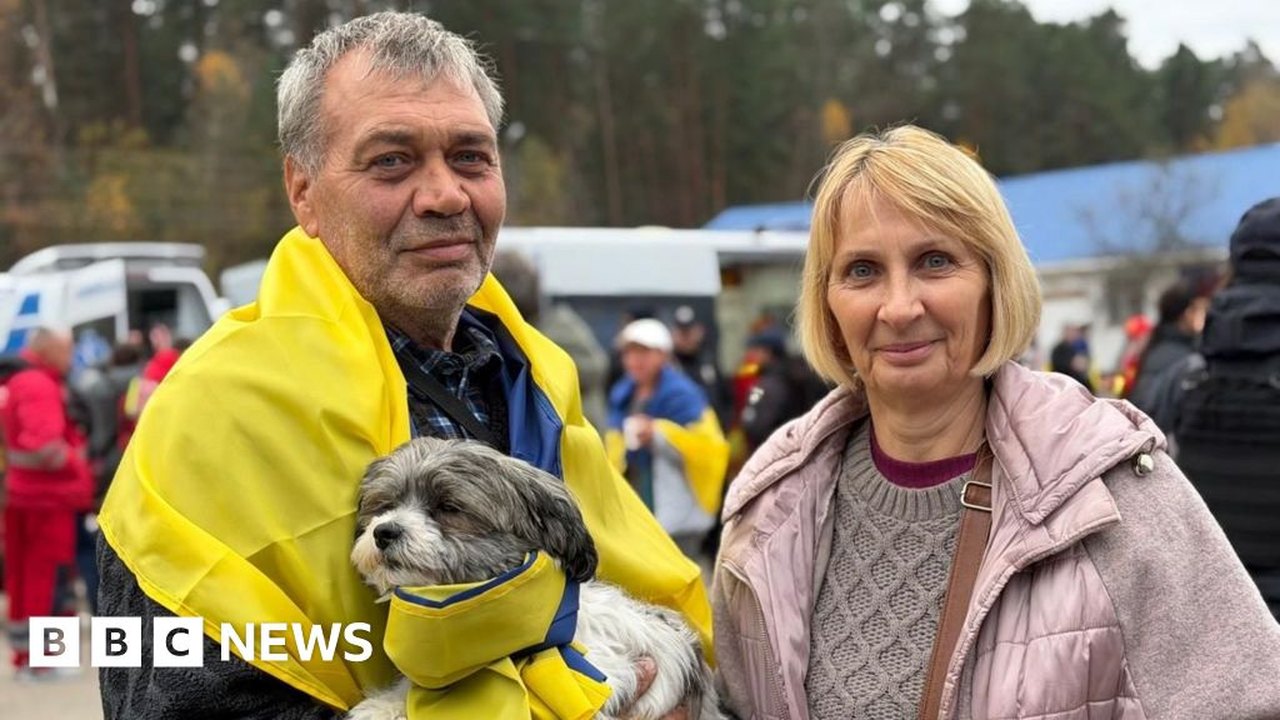 Evacuees from Russian-occupied Oleshky reunited with families in Chernihiv