Celluloid Sounds: Female Composers Highlighted in Awards and New Projects Amid Ongoing Industry Stats
· GlobeWire Daily Editorial Desk · Source: variety.com
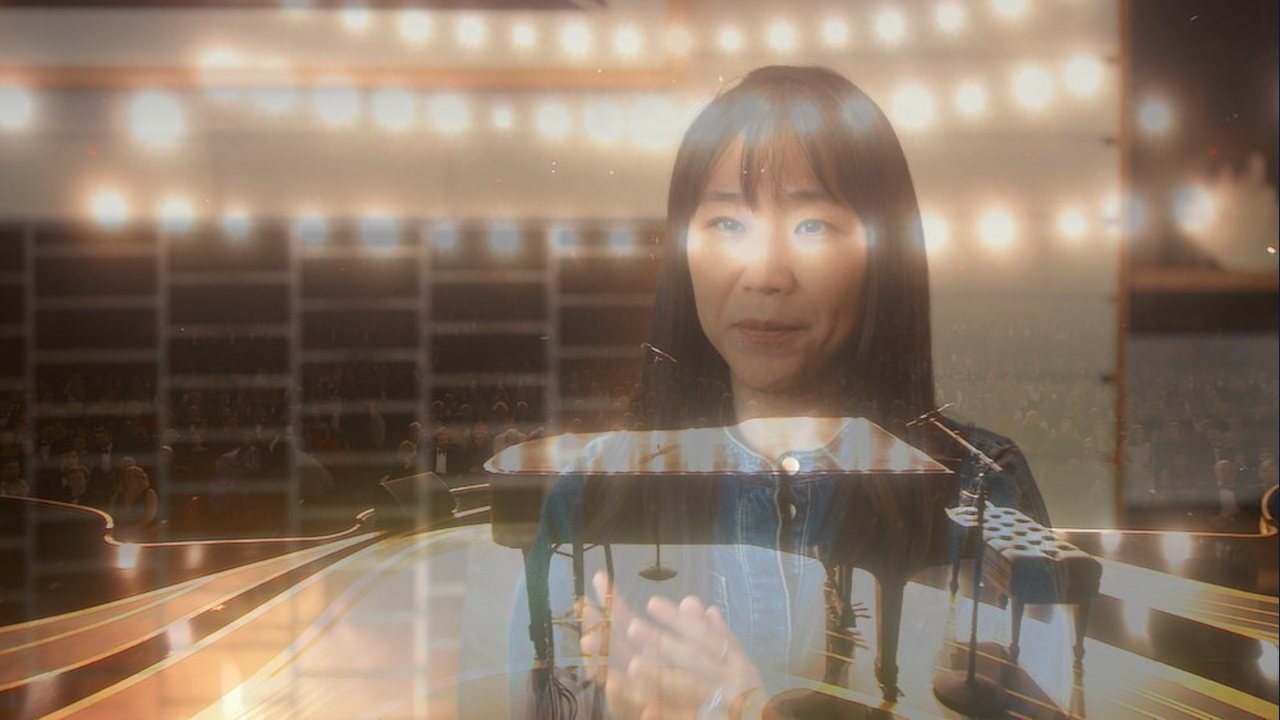
A recent industry report indicates that statistics for women composers in Hollywood have remained low, with original scores by women featuring in only eight of the top 100 grossing films for the year, following percentages between 7% and 9% over the previous two years, down from 14% in 2023. Despite these figures, several female composers continue to gain recognition through awards conversations and notable film projects.
Notable Projects and Documentaries
- Laura Karpman: Known for scoring “American Fiction” and the Netflix miniseries “East of Eden,” Karpman has directed her first documentary short, “Cosmic Symphony.” The film focuses on four musical artists—composer Starr Parodi, songwriter Diane Warren, jazz bassist John Clayton, and educator Susie Chung—who lost historic instruments in the January 2025 Palisades and Eaton fires. The documentary combines interviews, performance footage, and animation by Tempe Hale, alongside an orchestral and choral score composed by Karpman.
- Anna Meredith: The Scottish composer created an unusual score for the romantic fantasy “Wicker,” starring Olivia Colman and Alexander Skarsgård. The music is performed by just four people—a violist, a cellist, a recorder player, and Meredith herself—utilizing up to 10 different recorders, including a massive contrabass recorder.
- Rebekka Karijord: Scoring the film “Tenzing,” which explores the story of the Sherpa who accompanied Edmund Hillary to Mount Everest in 1953, Karijord emphasized cultural authenticity. She collaborated with Nepalese musicians, including Buddhist nun Ani Choying Drolma, flautist Manose Singh, and actress-singer Thinley Lhamo, integrating regional sounds like prayer wheels and yak bells with a 40-piece string section from the London Contemporary Orchestra.
Practical Implications and Verification
While these projects highlight the diverse work of women in film scoring, the broader industry representation data points to persistent structural challenges. Observers can verify these details by reviewing industry statistical reports on film scoring credits and following official festival and awards announcements for the mentioned titles.
More to read
 Rome's Trevi Fountain Sees Drop in Coin Donations Amid New Access Barriers and Fees
 US Lawmakers Call for Stricter Rules on Export of Advanced AI Chips Amid New Commerce Department Restrictions
 NASA Awards Up to $171 Million in Seed Funding to 302 Small‑Business Projects for Moon and Mars Exploration
 Film News: 'Deadworld' Adaptation, ASC Honors Newton Thomas Sigel, and HPA Awards