Pink Film Veteran Zeze Takahisa Advocates for Original Storytelling at Tokyo Masterclass
· GlobeWire Daily Entertainment Desk · Source: variety.com
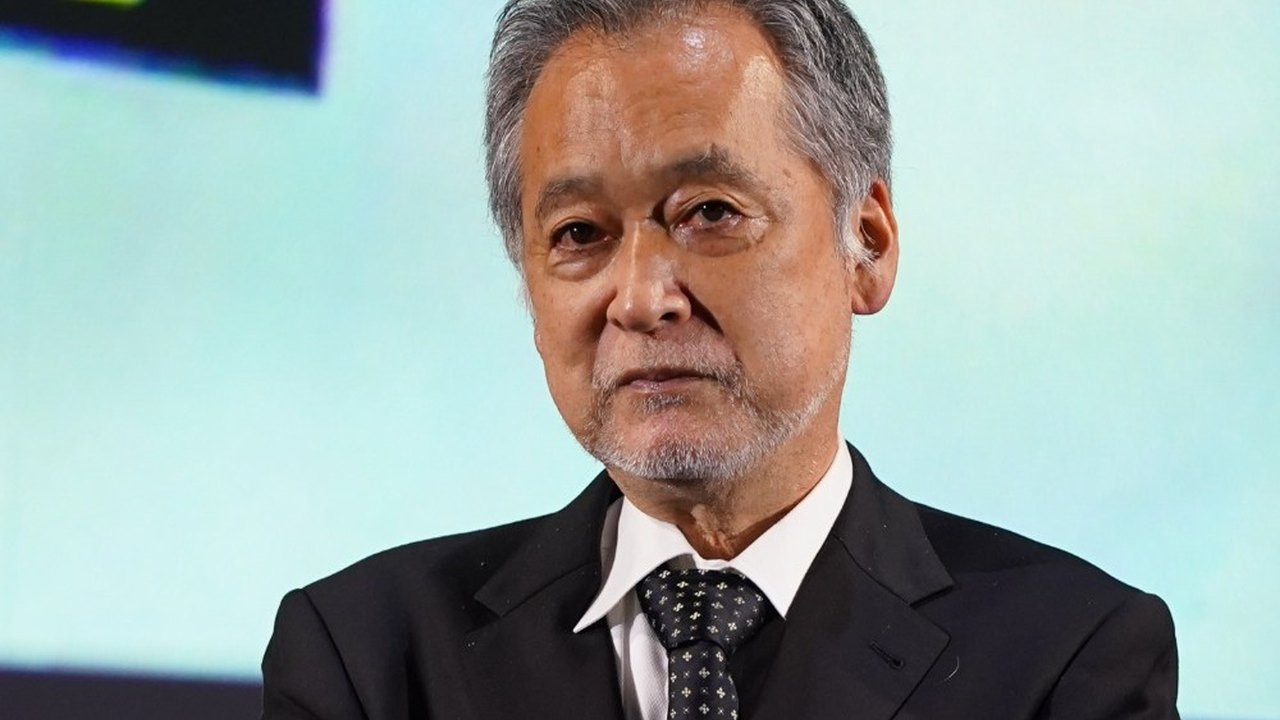
Image: Mark Schilling — Creative Commons
Director Zeze Takahisa recently discussed his journey from the Japanese "pink film" industry to mainstream cinema during a masterclass at the Tokyo International Film Festival's Tokyo Talk program.
Held at Tokyo Midtown Hibiya, the session explored Zeze's early career in softcore independent cinema and his transition to commercial filmmaking, alongside his current stance on the contemporary film industry's reliance on existing intellectual property.
From Pink Films to Mainstream Success
Born in 1960, Zeze entered the pink film industry in the late 1980s, making his directorial debut in 1989 with "Extracurricular Activity: Rape." He was recognized alongside directors Sano Kazuhiro, Sato Toshiki, and Sato Hisayasu as part of the "Four Heavenly Kings of Pink."
Key details from the masterclass regarding this era include:
- Creative Freedom: Despite structural requirements such as incorporating explicit scenes at regular intervals, Zeze noted that the era offered considerable thematic freedom for directors.
- International Reception: The group's work gained early recognition through overseas festival retrospectives, such as in Rotterdam, before being re-imported back to Japan.
- Genre Exploration: Zeze frequently explored unconventional perspectives, including stories centered on female criminals and social trends like mysticism.
Zeze eventually made his mainstream debut with the 1997 teen horror film "Kokkuri-san" and later directed the 278-minute revenge drama "Heaven’s Story" (2010), which won the FIPRESCI Prize at the Berlin Film Festival.
Critique of Industry Reliance on IP
During the masterclass, Zeze addressed the current film industry's heavy reliance on preexisting source material, such as best-selling novels and manga adaptations.
While Zeze has directed commercially adapted works—such as the two-part mystery film "64" in 2016—he argued that the industry focuses too heavily on proven sales track records rather than developing new concepts.
"Pursuing original concepts and making original films is incredibly important right now," Zeze stated, adding that original narratives carry a unique strength.
Practical Implications and Verification
Attendees and industry observers interested in the broader context of Japanese independent cinema can review official programming schedules and archival reports from the Tokyo International Film Festival. Viewers looking to verify specific statements from the masterclass can consult festival transcripts or official coverage provided by accredited entertainment outlets covering the Tokyo Talk sessions.
AI-assisted reporting; source claims are attributed and have not been independently verified.
More to read
 Indian Filmmaker Sanjay Gupta Dies at 59 Following Residence Accident
 ‘Dune’ Films Heading Back to Imax Theaters With an Exclusive ‘Dune: Part 3’ Sneak Peek
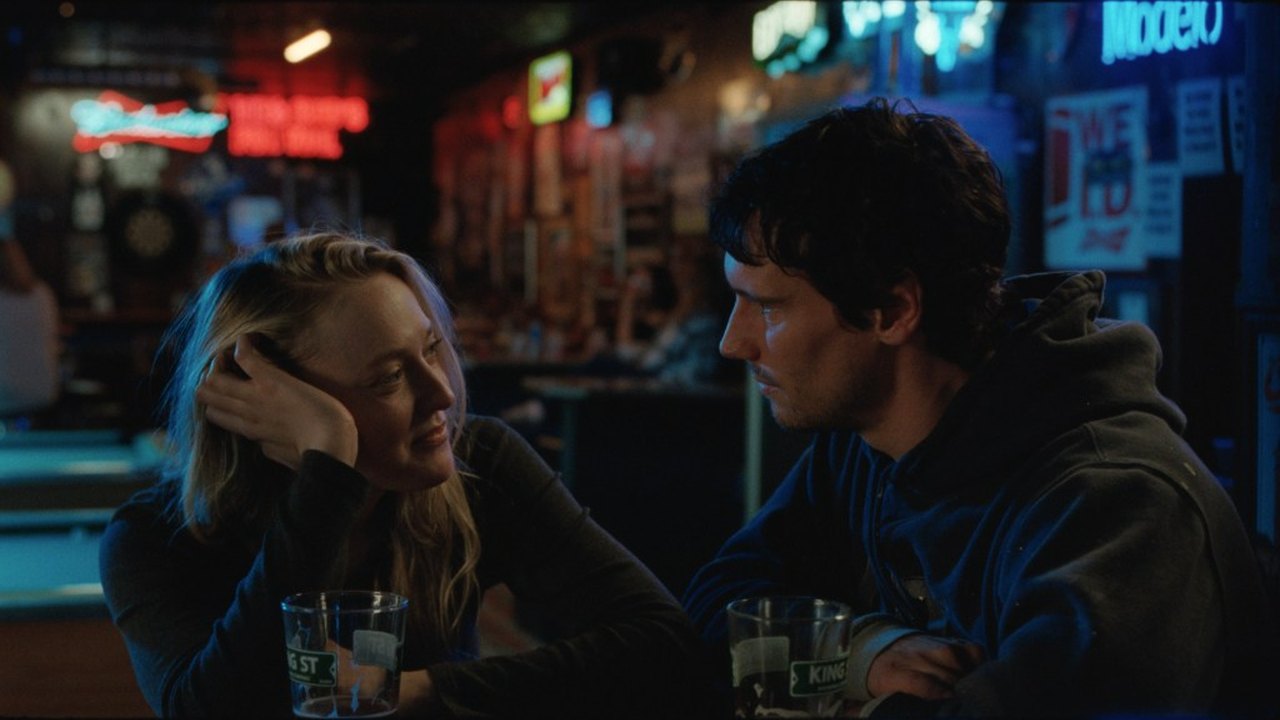 Joe Swanberg’s Romantic Drama ‘The Sun Never Sets’ Sells Out International Territories as Focus Features Swoops In
 Kurt Vile Discusses Musical Influences and Expresses Openness to Collaborating With Charli XCX
Trending on GlobeWire Daily
Selected from recent coverage and related topics; not live search rankings.
 When Antibiotics Don't Work After 48 Hours: What Medical Guidance Advises
 When Human Writing Sets Off AI Detectors: What False Positives Mean for Writers
 Debate Intensifies Over Calls for United Nations Protection Force in Palestinian Territories
 Union Finance Ministry Establishes High-Level Committee to Review Indian Banking Sector
 Railway Recruitment Board Announces Station Master Recruitment 2026: Check Details
 LIC HFL Apprentice Recruitment 2026: Applications Open for 232 Vacancies