When Human Writing Sets Off AI Detectors: What False Positives Mean for Writers
· GlobeWire Daily Editorial Desk · Source: www.npr.org

Image: www.npr.org — Creative Commons
As publishers and editors grapple with an influx of machine-generated text, many are turning to artificial intelligence detection software to screen submissions. However, reports highlight that these tools are prone to false positives, raising concerns among professional writers whose original work has been incorrectly flagged as AI-generated.
The Challenge of False Positives
According to reports, writers have faced situations where prospective clients or employers used detection tools and suggested writing samples were machine-made despite being entirely human-written. While software developers and researchers acknowledge that detectors are not foolproof, the software's use has introduced new anxieties into the publishing and freelance industries.
- Stylistic Triggers: Experts note that detectors look for patterns in word choice, punctuation, and sentence structure.
- Common Elements: Familiar human writing habits—such as frequent em dashes, specific transitional adverbs, or lists of three—can sometimes trigger flags.
- Training Data Overlap: Certain detectors evaluate text based on predictability using large language models, which can mistakenly flag human-authored passages found in an LLM's training data as machine-generated.
Industry Impact and Perspectives
Publications and advocacy groups have expressed mixed views on how to manage the rising volume of submissions while protecting writers' reputations.
- Editorial Pressure: Editors report a massive surge in submissions since the widespread availability of AI agents, stretching editorial resources and leading some to explore screening technologies.
- Risk of Accusations: Organizations like The Authors Guild have cautioned that relying on flawed detection tools can create an environment of mistrust, noting that false positives risk damaging professional reputations.
- Writer Adaptation: Some authors report altering their natural writing styles—avoiding specific punctuation or preferred vocabulary—to preemptively reduce the risk of being falsely flagged.
Verification and Best Practices
Readers and industry observers looking to verify claims regarding AI detection accuracy can consult published academic literature, such as comparative studies featured in academic journals evaluating tools like Pangram. Experts generally advise editors to treat detection results with caution rather than relying on them as definitive proof of authorship.
AI-assisted reporting; source claims are attributed and have not been independently verified.
More to read
 Google, OpenAI, and Anthropic Commit to Unified AI Scraping Controls via New Robots.txt Directive
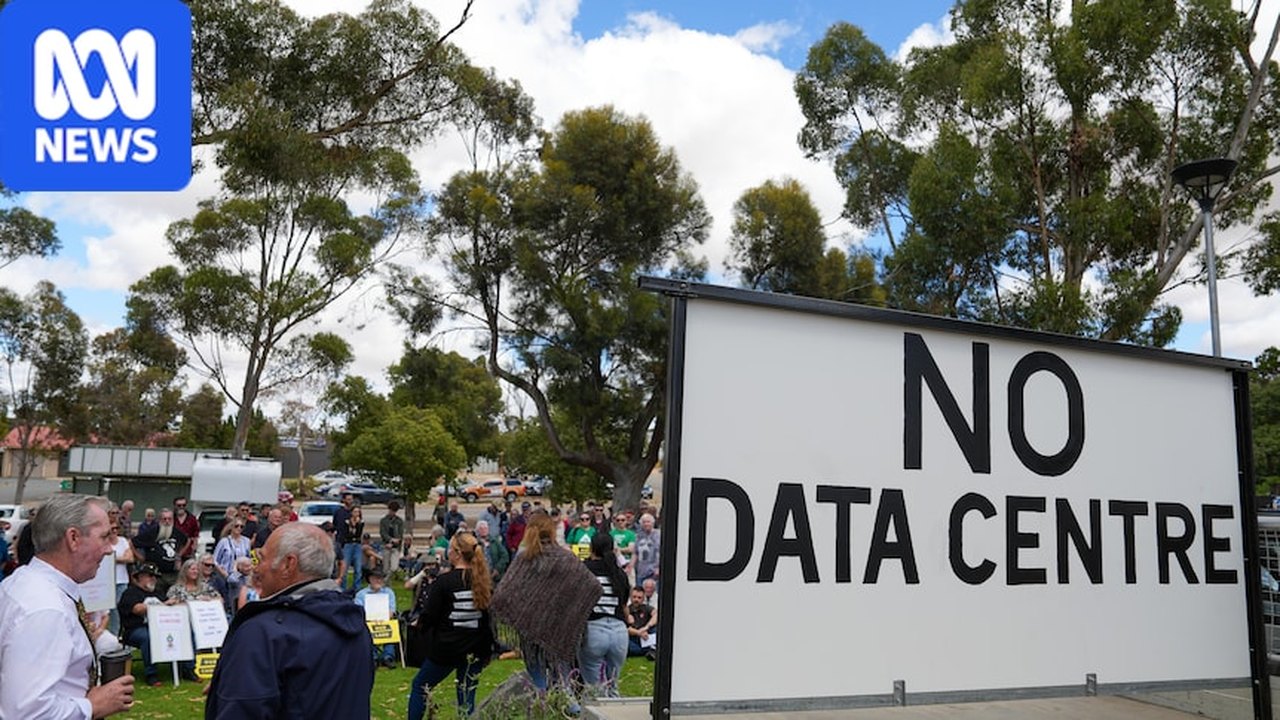 Adelaide Hills Communities Rally Against Proposed 1,200MW AI Data Centre
 AI Vendors Re‑Examine Data‑Sharing Rules as Customers Push Back on Shared Model Training
 ChatGPT Share Link Flaw Allowed Unauthorized Access to Private Conversations
Trending on GlobeWire Daily
Selected from recent coverage and related topics; not live search rankings.
 Jio Platforms Valued at $131.5bn Following India’s Largest-Ever IPO
 Walsh Sparks Australia to World Cup Win Over Cook Islands Amid Clinical Concerns
 Former India captain Rahul Dravid nominated to senior board for 2030 Commonwealth Games preparations
 West Indies Secure 1-0 Lead Over Bangladesh in Mirpur Test
 Pujara and Nayar Debate Ravindra Jadeja's ODI Future Ahead of New Zealand Series
 Debate Intensifies Over Calls for United Nations Protection Force in Palestinian Territories