AI Vendors Re‑Examine Data‑Sharing Rules as Customers Push Back on Shared Model Training
· GlobeWire Daily Editorial Desk · Source: www.techradar.com

Image: www.techradar.com — Creative Commons
Background: The Old Rule of Data Cooperatives
In the 1990s, catalog retailers formed data cooperatives that pooled transaction histories to generate new prospect lists. The arrangement was simple: contribute data, receive modeled prospects; no member accessed a rival’s raw customer file, and a non‑contributor lost access to the shared insights. Similar give‑to‑get terms have long governed card‑fraud consortia. The rules were blunt, and every participant understood the trade‑off.
AI Vendors Face a New Data‑Sharing Dilemma
Modern software vendors that embed AI features operate on multi‑tenant platforms where a model learns from data across many customers. Unlike traditional tools that stayed within a single account, AI models can improve for *all* users when a few customers provide high‑quality data. Most vendor contracts, however, do not spell out whether that shared learning is fair or what contributors receive in return. Legally, the customer retains ownership of its data, but ownership does not resolve who benefits from the collective learning.
HubSpot’s Reversal Highlights Customer Pushback
HubSpot announced a plan to pool enrichment data—business contact details, employer information, and email‑deliverability signals—from all customer accounts to improve prospect records platform‑wide. The default setting was opt‑out. Within days, the company withdrew the plan and switched to an opt‑in model, promising that any future enrichment feature built on customer data would require explicit consent.
The backlash was not about privacy per se—HubSpot had already assured that core CRM records would never be shared without permission. Instead, sales and RevOps teams objected that years of effort spent cleaning and enriching their own contact data would now benefit competitors without a clear return for the contributors. The relevant product terms had been updated nearly two years before most customers learned of the change.
Contractual Gaps and the Challenge of Exit
When a customer terminates a contract, it can demand its records back, but data that has already shaped a production model cannot be cleanly removed. Retraining models is costly, and most vendors lack a practical method to erase a single customer’s influence from a live model. Consequently, a vendor could truthfully claim to have deleted every uploaded record while still operating a model that benefited from those records. Existing storage contracts assumed that deletion ended all use; AI contracts will need explicit language about what persists after a customer leaves and whether that persistence was consented to at signing.
What Buyers Are Demanding
Procurement teams are beginning to ask three key questions:
- Does my data train or enrich models used by other customers?
- Is participation opt‑in, and can it be turned off later without losing core functionality?
- What tangible benefit do contributing customers receive that non‑contributors do not?
These demands mirror the evolution of security‑certification clauses, which became standard after enough buyers required them. Industry observers expect AI data‑terms to follow a similar trajectory.
Practical Implications for Vendors and Users
- Vendors should disclose data economics up front. Product pages and contracts need to state which customer data feeds shared models, what the models produce, and what contributors receive in return.
- Opt‑in mechanisms alone are insufficient. A simple checkbox does not guarantee a fair exchange; vendors must articulate the value proposition for contributors.
- Exit strategies must be re‑thought. Contracts will likely include clauses describing the residual impact of a customer’s data on trained models and any associated fees or limitations.
- Buyers can leverage procurement pressure. By making clear data‑use requirements a condition of purchase, organizations can drive the market toward more transparent practices.
What Remains Uncertain
- Technical solutions for selective model unlearning. Most vendors currently lack a cost‑effective way to remove a single customer’s data from an existing model.
- Regulatory mandates. While buyers are pushing for clearer terms, formal regulations on AI‑training data sharing have not yet been codified in most jurisdictions.
- Industry standards. No universal framework exists yet for defining “fair” contributions and returns in AI‑as‑a‑service contracts.
How to Verify the Story
The analysis above is based on the TechRadar Pro article “AI vendors are relearning the oldest rule in the data business,” published on the TechRadar website. Readers can review the full text and any updates at the original URL: https://www.techradar.com/pro/ai-vendors-are-relearning-the-oldest-rule-in-the-data-business
--- *This article is a summary of publicly available information and does not contain original reporting or interviews.*
AI-assisted reporting; source claims are attributed and have not been independently verified.
More to read
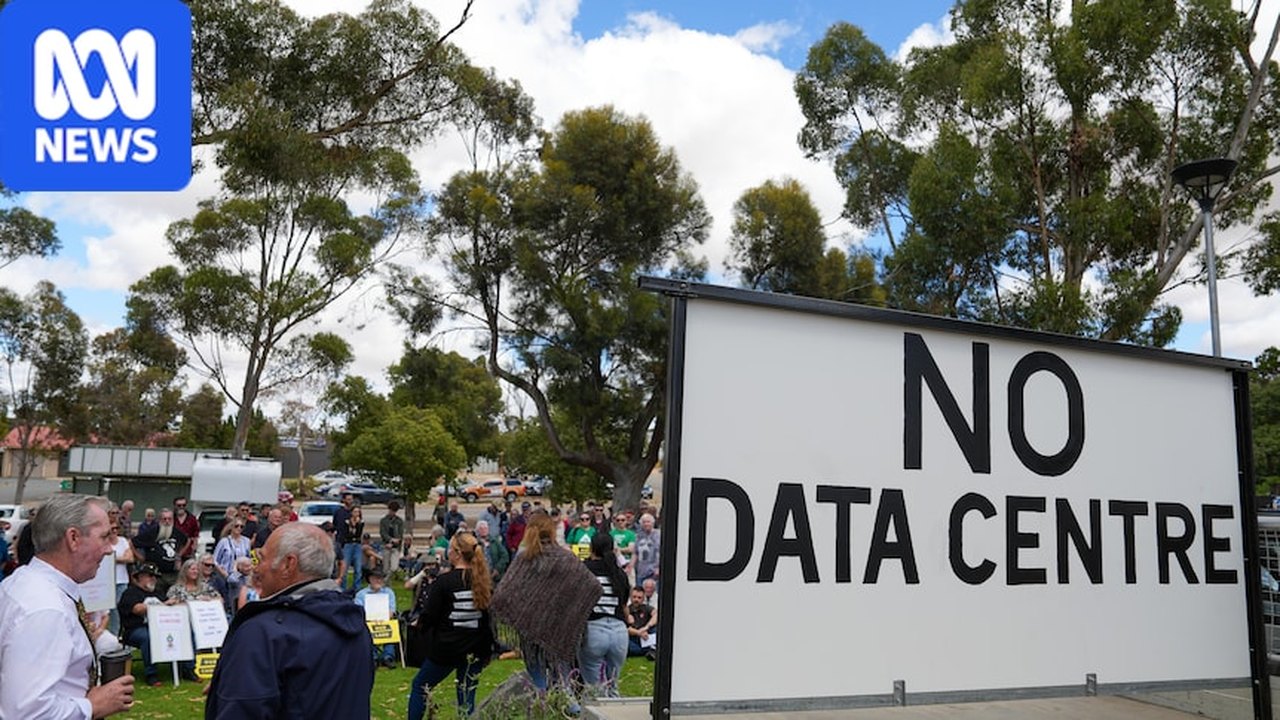 Adelaide Hills Communities Rally Against Proposed 1,200MW AI Data Centre
 ChatGPT Share Link Flaw Allowed Unauthorized Access to Private Conversations
 REA Project Connects AI Agents to Reverse Engineering Tools for Binaries and Applications
 Pink Film Veteran Zeze Takahisa Advocates for Original Storytelling at Tokyo Masterclass
Trending on GlobeWire Daily
Selected from recent coverage and related topics; not live search rankings.
 IHMCT Kovalam Announces Lower Division Clerk Recruitment 2026: Check Details, Dates, and Eligibility
 Senior RSF Commander Defects, Citing Family Control Over Finances and Promotions
 NTA Announces UGC NET JRF December 2026 Examination Schedule and Application Details
 Railway Recruitment Board Releases RRB ALP Exam City Details and Admit Card Information for CEN 01/2026
 UPSC Announces Special Advertisement No. 51/2026 for Principal and Vice-Principal Posts in Delhi Education Department
 AIIMS Mangalagiri Announces Recruitment 2026 for Senior Residents and Demonstrators