You Can See Everything: A Critical Look at Nathan Fielder’s Vibes-Check Approach to Elizabeth Holmes
· GlobeWire Daily Editorial Desk · Source: www.theguardian.com
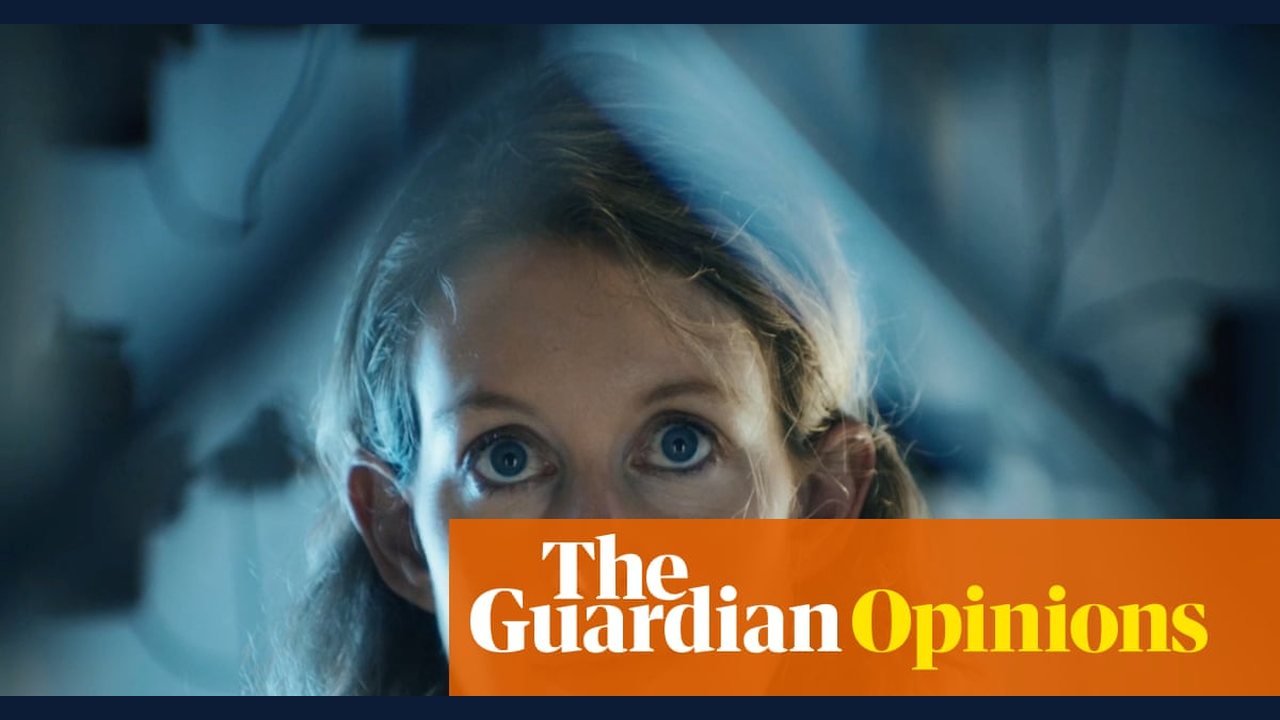
Critics are discussing Nathan Fielder's film *You Can See Everything*, which features Elizabeth Holmes prior to her prison sentence, raising questions about its focus on emotional impressions rather than factual evidence.
Overview of the Film's Approach
In the film, Nathan Fielder spends time at the home of convicted Theranos founder Elizabeth Holmes. Rather than examining court documents or the substantial evidence from the fraud trial, the project relies on an interpersonal, conversational method.
- The Method: Fielder focuses on close-up interactions and intuitive questions regarding honesty rather than cross-examining the legal details.
- The Focus: The documentary leans heavily into subjective impressions, or "vibes," instead of established facts.
Criticisms and Public Response
Reviewers have pointed out significant concerns regarding how the project handles a high-profile white-collar crime case:
- Dismissal of Evidence: Critics argue that bypassing the documented facts undermines the work of whistleblowers, journalists, and the judicial system.
- Impact on Victims: Observers note that glossing over the concrete consequences of Theranos's false medical testing minimizes the harm experienced by patients and investors.
- Cultural Resonance: Some commentators suggest the film’s reliance on emotional ambiguity reflects broader cultural trends of prioritizing feelings over verifiable truth.
Practical Implications and Verification
Viewers interested in the factual background of the Theranos case can consult public court records, investigative journalism books such as those by John Carreyrou, and official reports from regulatory agencies. To verify details about the film's release and reception, audiences should check official entertainment databases and reputable film criticism platforms.
More to read
 How to Check Live AQI Near You Using Your Mobile Phone
 Galaxy Z Fold 8 Features: What You Can Do on Samsung's Foldable
 CMA Awards See Major Ratings Boost Driven by Taylor Swift's Return and Ella Langley's Record Win
 Netflix Documentary 'Primetime Preacher$' Explores the Scandalous History of Televangelism