Astronomers Feature the Ghost Nebula in the Cepheus Flare
· GlobeWire Daily Editorial Desk · Source: science.nasa.gov

Image: NASA Science · Photo source · Resized and letterboxed to 16:9; no AI generation
Astronomy enthusiasts can explore a wide-field telescopic image highlighting cosmic dust clouds in the constellation Cepheus, approximately 1,200 light-years away from Earth. According to descriptions provided alongside the featured astronomical photograph, the expansive interstellar region sits above the plane of the Milky Way at the edge of the Cepheus Flare molecular cloud complex.
Key Features of the Cosmic Region
- Ghost Nebula (vdB 141 or Sh2-136): Spanning over 2 light-years across, this prominent dust cloud is noted for its relative brightness among similar cosmic structures. Observations indicate reddish signatures within dense cores, suggesting the early stages of star formation.
- Iris Nebula (NGC 7023): Located to the left of the center in the telescopic view, this nebula features bluish light reflected from hot young stars interacting with interstellar dust.
- Scale and Scope: The entire telescopic frame spans a width equivalent to nearly six full moons across the night sky.
Practical Implications and Verification
While this imagery offers educational insights into star-forming regions and molecular clouds, observers cannot view these faint details directly with the unaided eye. Interested individuals can examine the original photograph and professional explanations by visiting NASA's official Astronomy Picture of the Day (APOD) archive website to verify daily featured coordinates and associated astronomical data.
AI-assisted reporting; source claims are attributed and have not been independently verified.
More to read
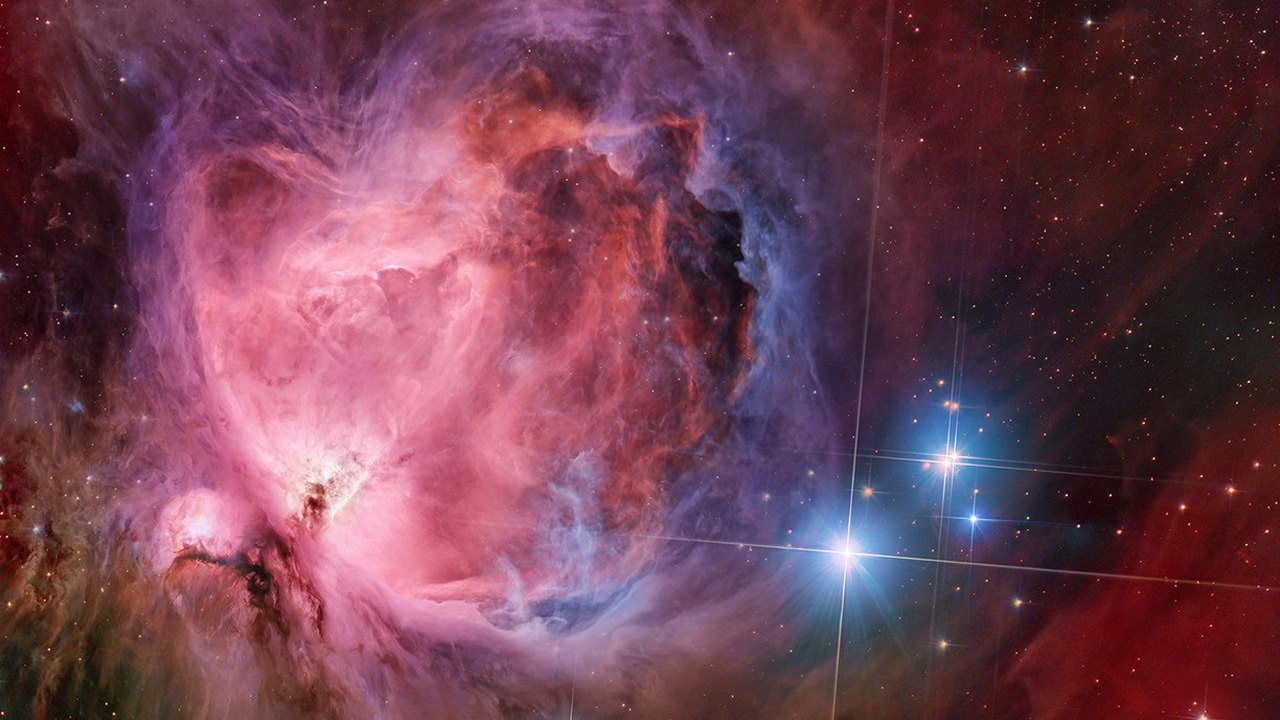 Astronomers Spotlight Orion Nebula as Key Starbirth Region
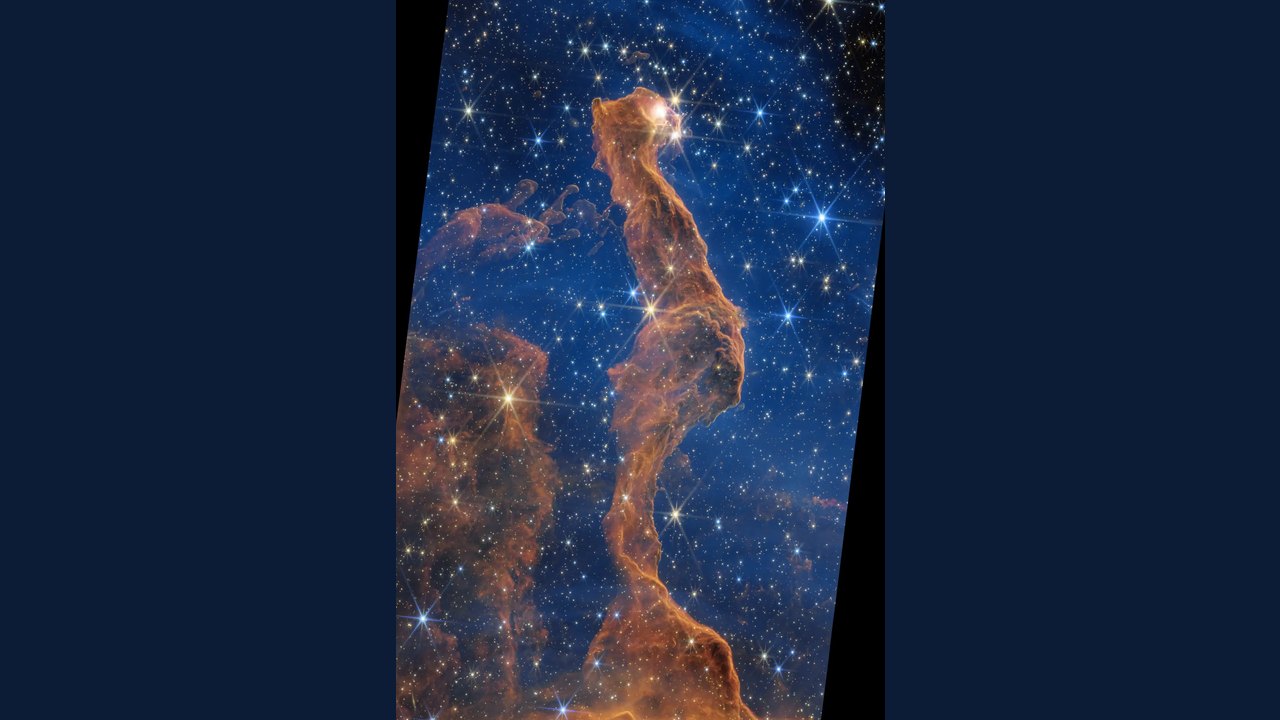 Hubble and Webb Telescopes Capture Complementary Views of the Cat’s Head Nebula
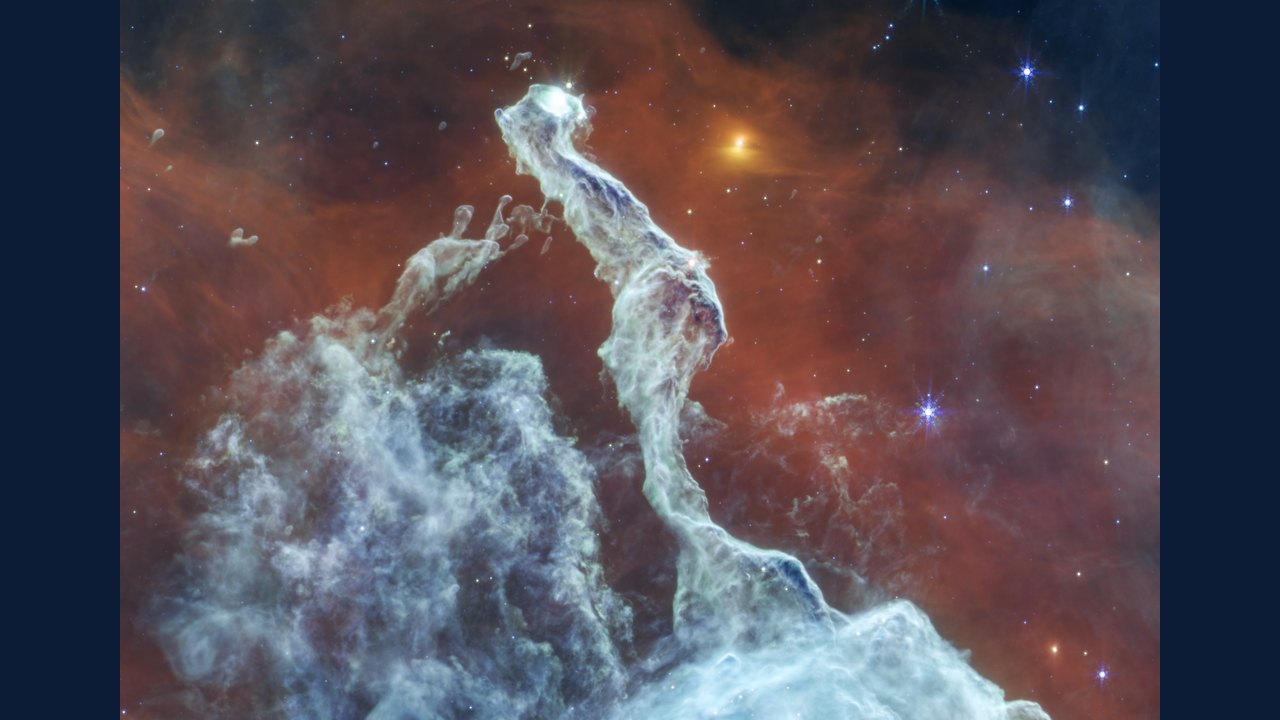 NASA’s Webb Telescope Reveals Detailed Structures in the Cat’s Head Nebula
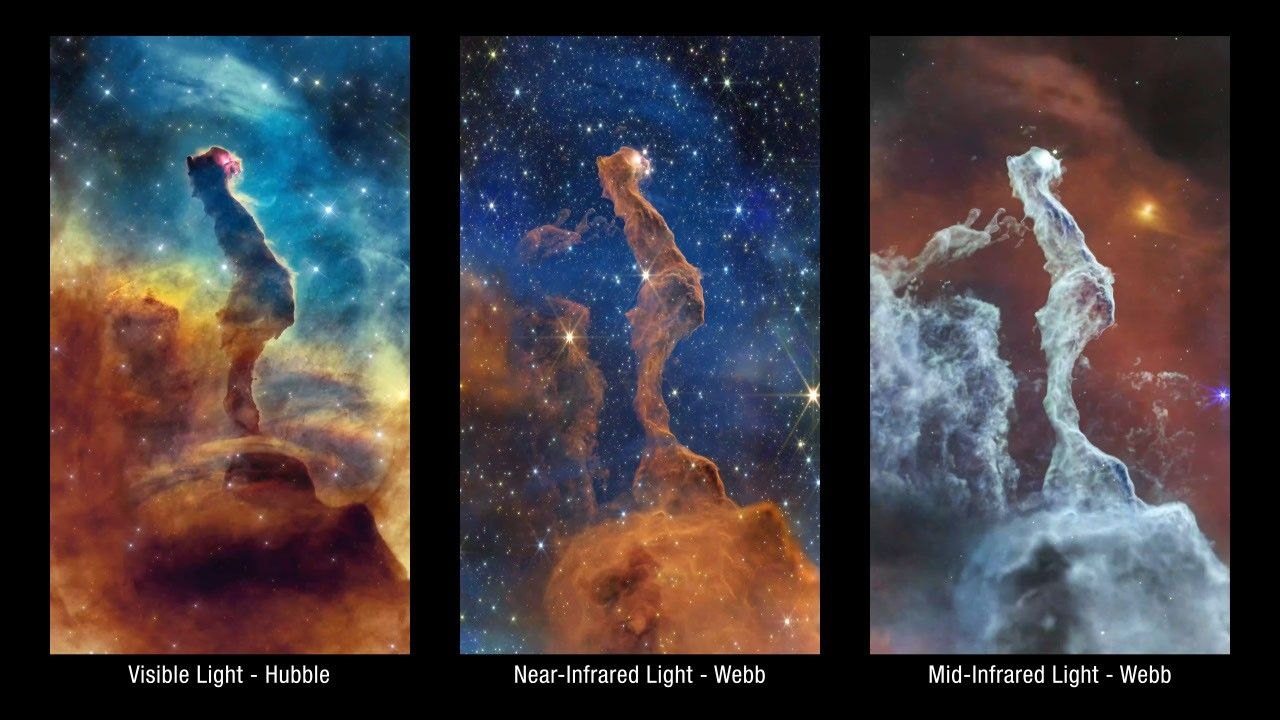 NASA's Hubble and Webb Telescopes Capture Star-Forming Cat's Head Nebula
Trending on GlobeWire Daily
Selected from recent coverage and related topics; not live search rankings.
 Madhya Pradesh Government Plans Revenue Generation from 117-Year-Old Edward Villa in Mumbai Through Leasing
 iPhone 18 Pro Named TechRadar Product of the Year 2026
 Google Project Suncatcher Runs Gemma 4 AI on Orbiting Satellite and Receives First Response
 Gender Disparities in Eye Care Access Across India Examined
 Satellite Images Show Cyclone Arnab Weakening Over India As New System Brews
 Expanding Green and Blue Spaces Crucial for India's Economic and Public Health, Reports Indicate