Astronomers Uncover Rare Black Holes That May Have Formed Without Supernova Explosions
· GlobeWire Daily Editorial Desk · Source: www.space.com
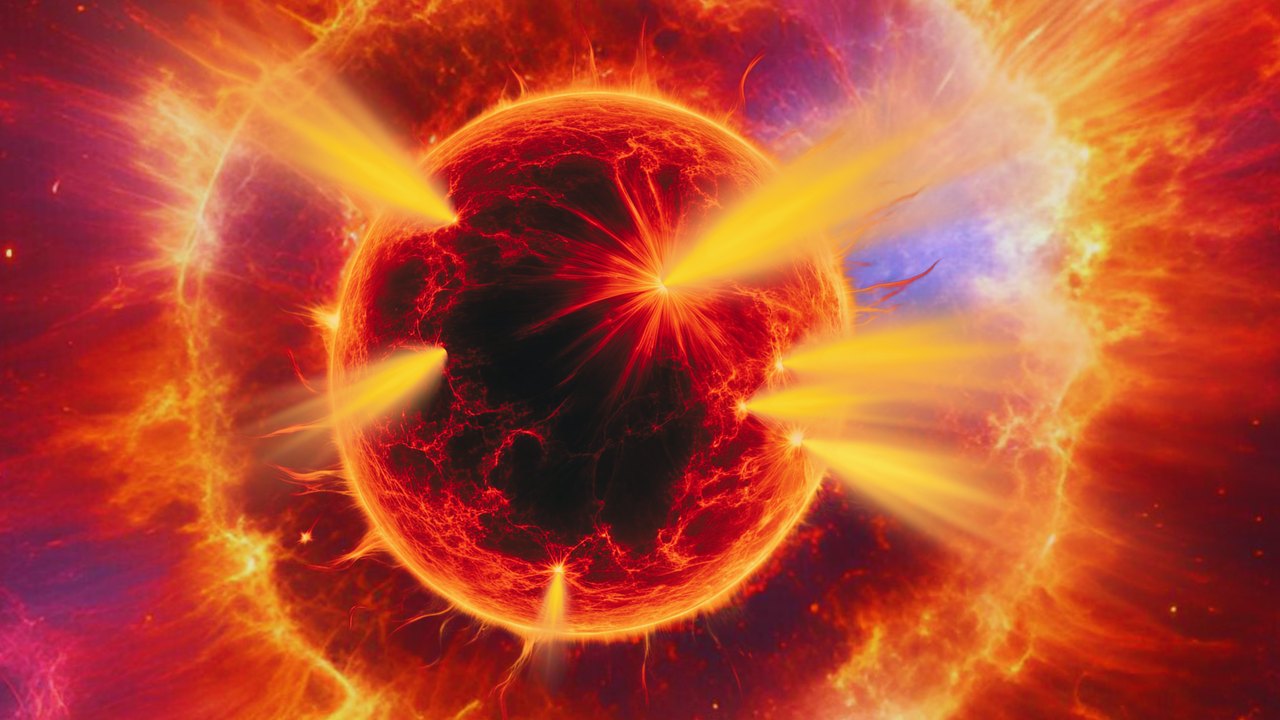
Image: Space · Photo source · Resized and letterboxed to 16:9; no AI generation
Recent analysis of gravitational wave data suggests that a distinct population of merging black holes may have formed when massive stars collapsed directly without producing a supernova explosion. According to researchers, these findings offer a new perspective on how certain black holes are born in the universe.
Insights from Gravitational Waves
Researchers examined data from over 300 black hole collisions detected since 2015 by the LIGO, Virgo, and KAGRA scientific collaboration network. Specifically, a team led by California Institute of Technology (Caltech) researcher Katerina Chatziioannou studied the mass distribution of 257 black hole mergers recorded over the past decade.
- Common Origin: The data revealed a prominent peak of black holes possessing about 10 times the mass of the sun, accounting for a significant portion of the sample.
- Mass Gaps: The study noted a scarcity of black holes with masses between 12 and 16 times the mass of the sun.
- Spin Signatures: An analysis of the spin rates of these merging black holes indicated a distinct range of speeds, supporting the hypothesis of a shared formation mechanism.
Theory of Failed Supernovas
While traditional models dictate that massive stars exhaust their nuclear fuel, collapse, and trigger a supernova while forming a core-collapse black hole, theoretical models have long suggested that some stars might simply implode quietly. Scientists involved in the study reported that the observed mass distribution and spin rates are consistent with binary black holes originating from this type of failed supernova process.
Research Details and Verification
The research paper detailing these findings was published in the journal *Physical Review D*. Because stars that collapse without exploding generally vanish from optical view, leaving dark regions of space, direct observational confirmation of failed supernovas remains challenging. Consequently, scientists emphasize that gravitational-wave astronomy provides a indirect yet powerful tool to investigate these extreme cosmic events.
Readers interested in verifying the original announcement can consult the published study in *Physical Review D* or review public scientific releases from the LIGO-Virgo-KAGRA collaboration.
AI-assisted reporting; source claims are attributed and have not been independently verified.
More to read
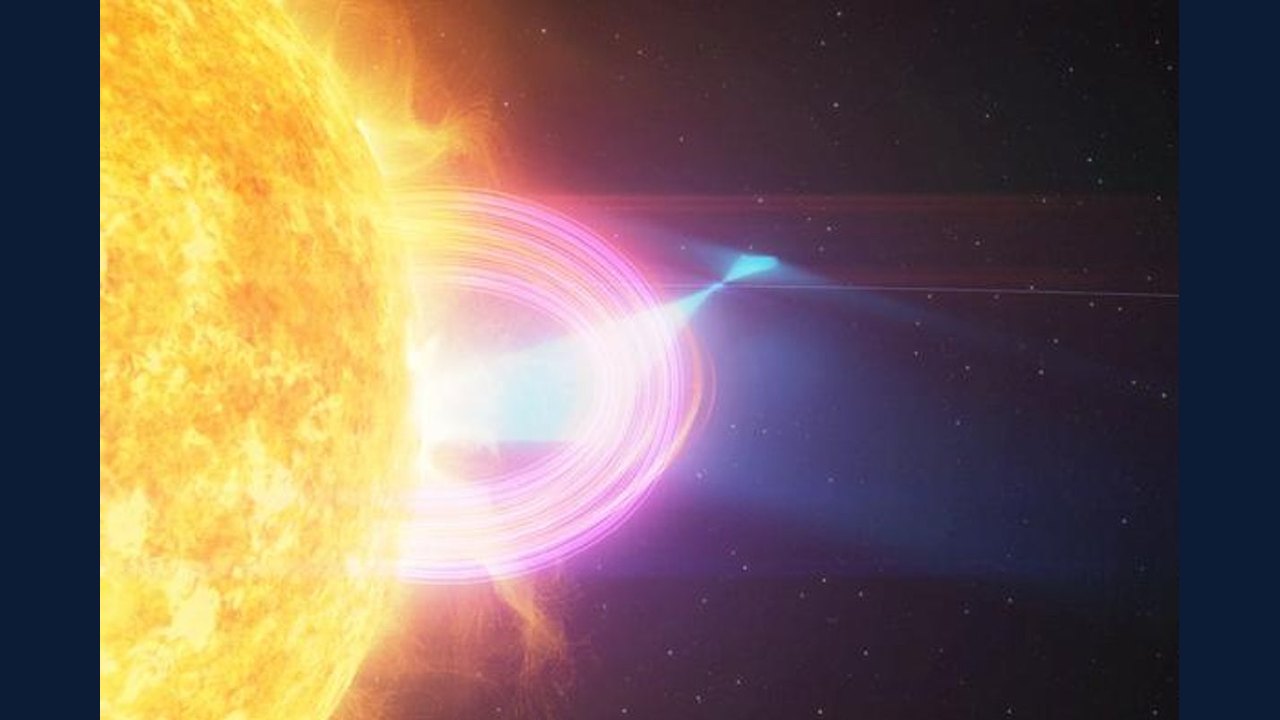 Astronomers Detect Pulsing Radio Signals Every 8 Minutes from Rare Star System
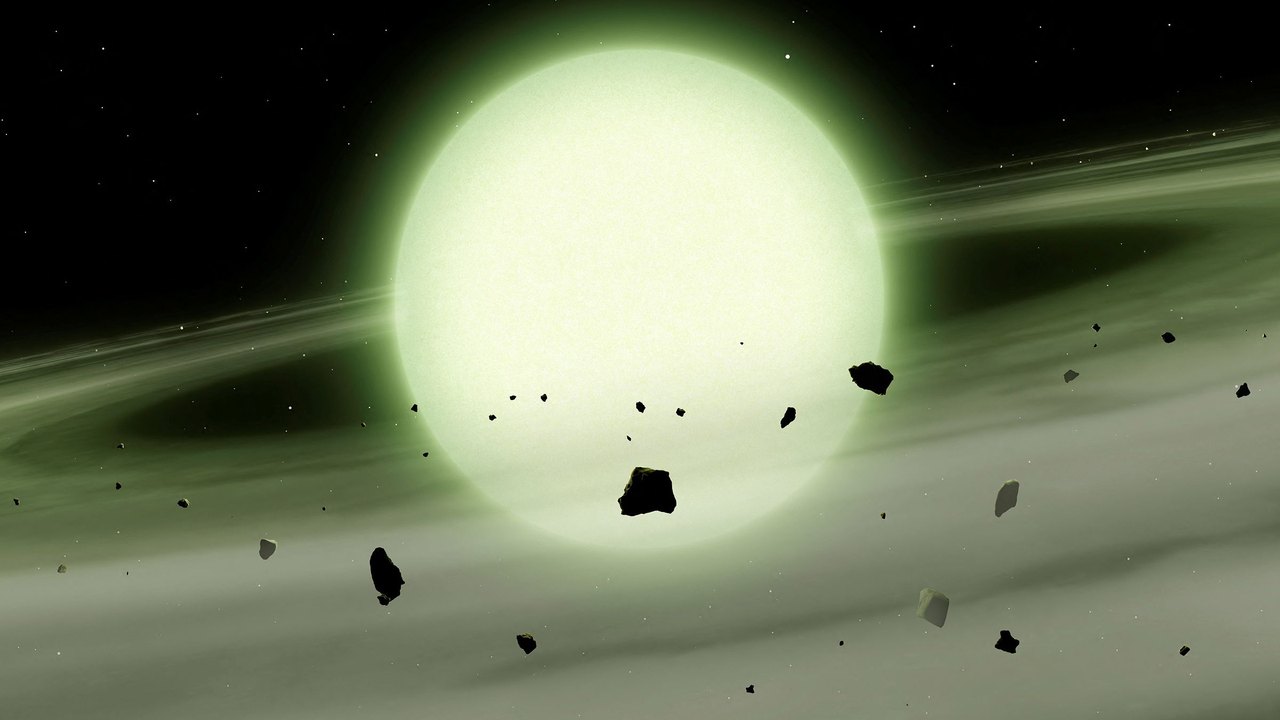 Astronomers Discover Rare Pink and Green White Dwarf Stars
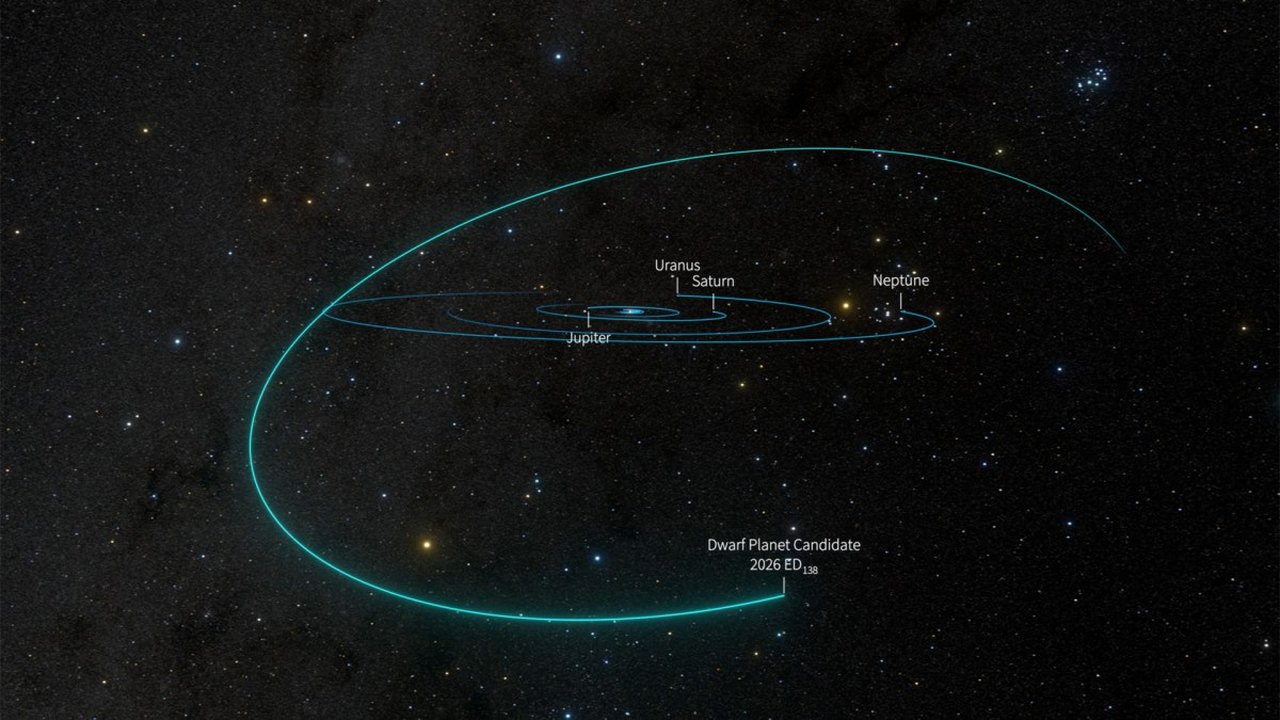 Researchers May Have Discovered the 6th Dwarf Planet Candidate ED138
 Cleopatra's lead-based kohl may have helped ward off eye infections: Study