Astronomers Detect Pulsing Radio Signals Every 8 Minutes from Rare Star System
· GlobeWire Daily Editorial Desk · Source: www.independent.co.uk
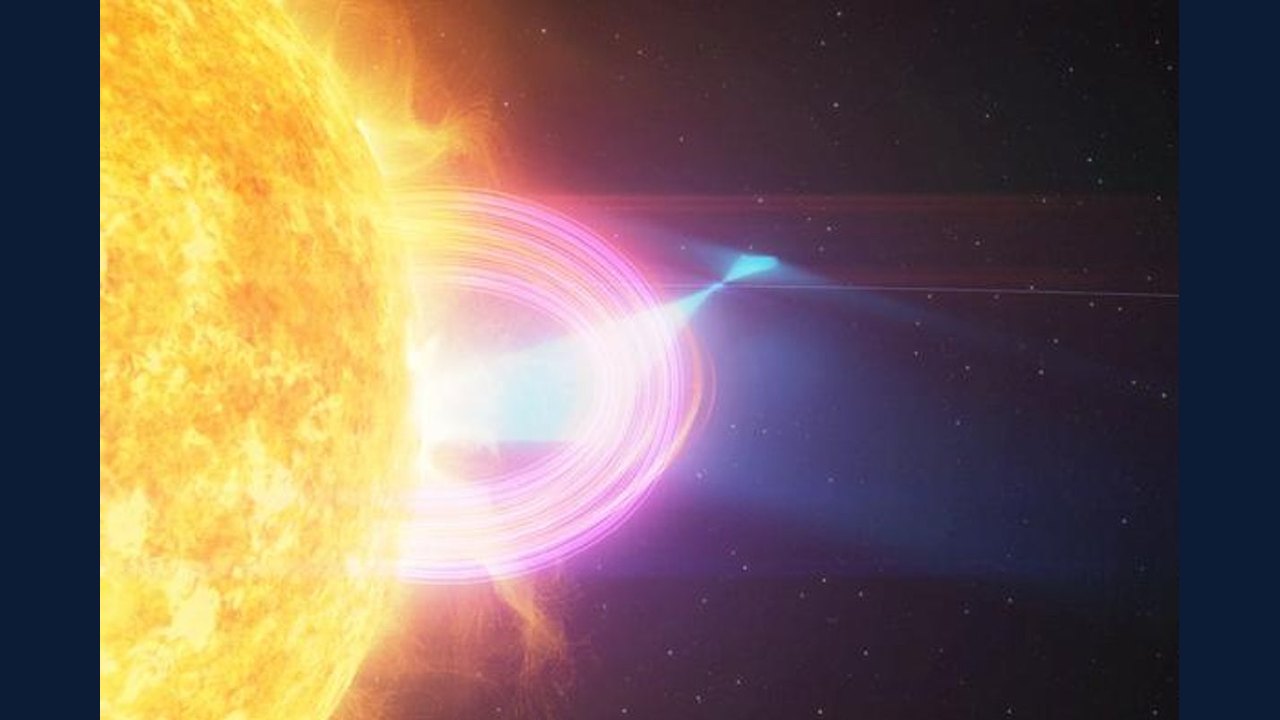
Image: The Independent · Photo source · Resized and letterboxed to 16:9; no AI generation
Scientists have announced the detection of a mysterious radio signal pulsing every eight minutes, originating from a star system located thousands of light-years from Earth. According to findings released by astronomers at Australia's Curtin University and the International Centre for Radio Astronomy Research, the short bursts of radio waves stem from an unusual stellar pairing.
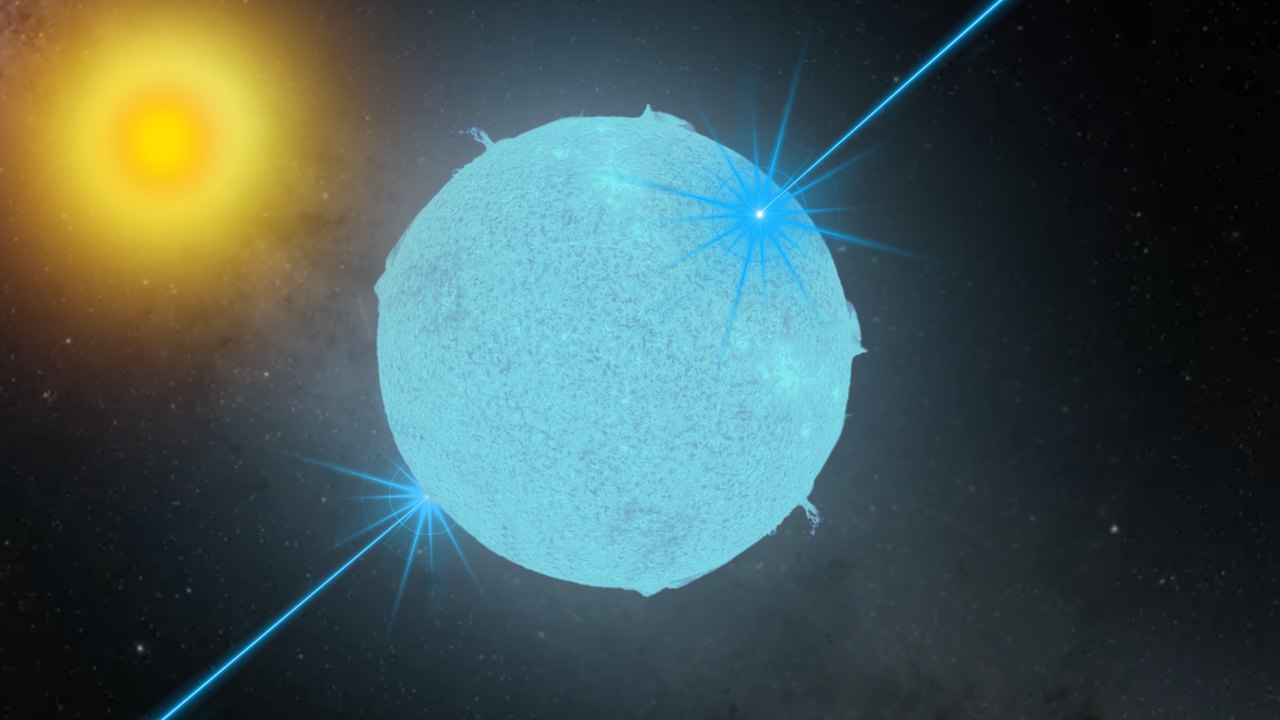
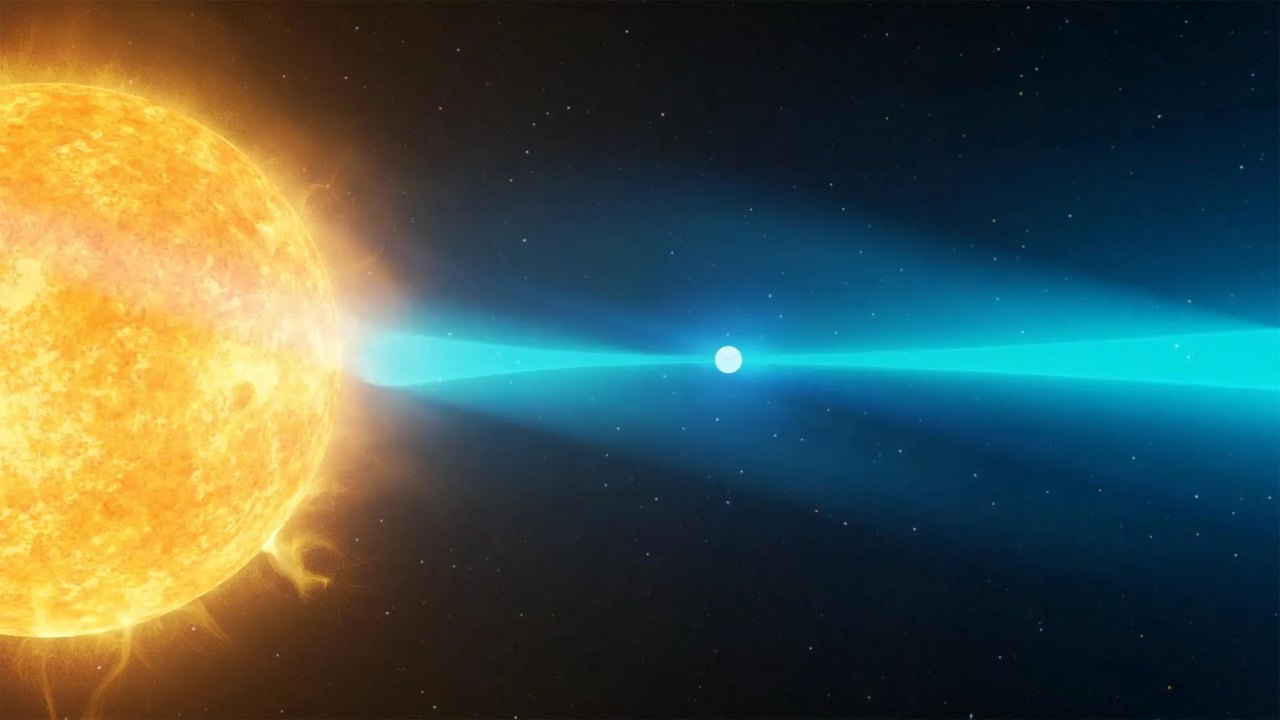
The system, designated as GPM J071507−114153, involves a white dwarf—the dense, dead core of an active star—that rotates every eight minutes, alongside a sun-like G-type star commonly referred to as a yellow dwarf. Researchers stated that this marks the first time such distinct pulses have been detected in a system featuring this specific combination of stellar objects, as periodic pulses are more typically observed in systems containing smaller and cooler red dwarf stars.
Discovery and Technical Details
Dr. Sam McSweeney, who led the discovery, noted that the clarity of the pulses allowed the research team to observe the white dwarf moving in its orbit around its companion. This observation indicates that the pulsations originate either from a region very close to the white dwarf or directly from the star itself.
To confirm the white dwarf's motion, McSweeney and his colleagues processed more than 100 hours of observational data using the Pawsey Supercomputing Research Centre in Western Australia. While researchers have previously identified around a dozen similar star systems producing intermittent radio signals since 2021, determining which specific star generated the pulses had remained unclear until now.
Telescopes and Additional Findings
The discovery process involved multiple international astronomical facilities:
- Murchison Widefield Array: Used in Western Australia to initially scan the Milky Way and detect GPM J071507−114153.
- MeerKAT Radio Telescope: Utilized in South Africa to pinpoint the exact position of the star system.
- W.M. Keck Observatory: Employed in Hawai'i to confirm the presence of the G-type companion star.
In addition to the periodic radio signals, the research team detected stellar flares on the sun-like star. Associate Professor Natasha Hurley-Walker of Curtin University explained that these flares share similarities with the phenomena that generate auroras on Earth, allowing scientists to observe distant stellar storms located over 5,000 light-years away using radio wavelengths.
Practical Implications and Verification
This discovery expands current astronomical understanding of intermittent radio sources and stellar interactions. Researchers and astronomy enthusiasts can review the published research papers and technical data through academic journals associated with Curtin University and the International Centre for Radio Astronomy Research for further verification.
AI-assisted reporting; source claims are attributed and have not been independently verified.
More to read
 Astronomers Detect Regular Radio Pulses From Star System 5,000 Light-Years Away
 Astronomers Trace Mysterious Radio Signals to White Dwarf and Sun-Like Star Pair
 Astronomers Trace Mysterious Radio Pulses to a Dead Star and Sun-Like Companion
 Astronomers Uncover Rare Black Holes That May Have Formed Without Supernova Explosions