Astronomers Trace Mysterious Radio Pulses to a Dead Star and Sun-Like Companion
· GlobeWire Daily Editorial Desk · Source: www.sciencedaily.com
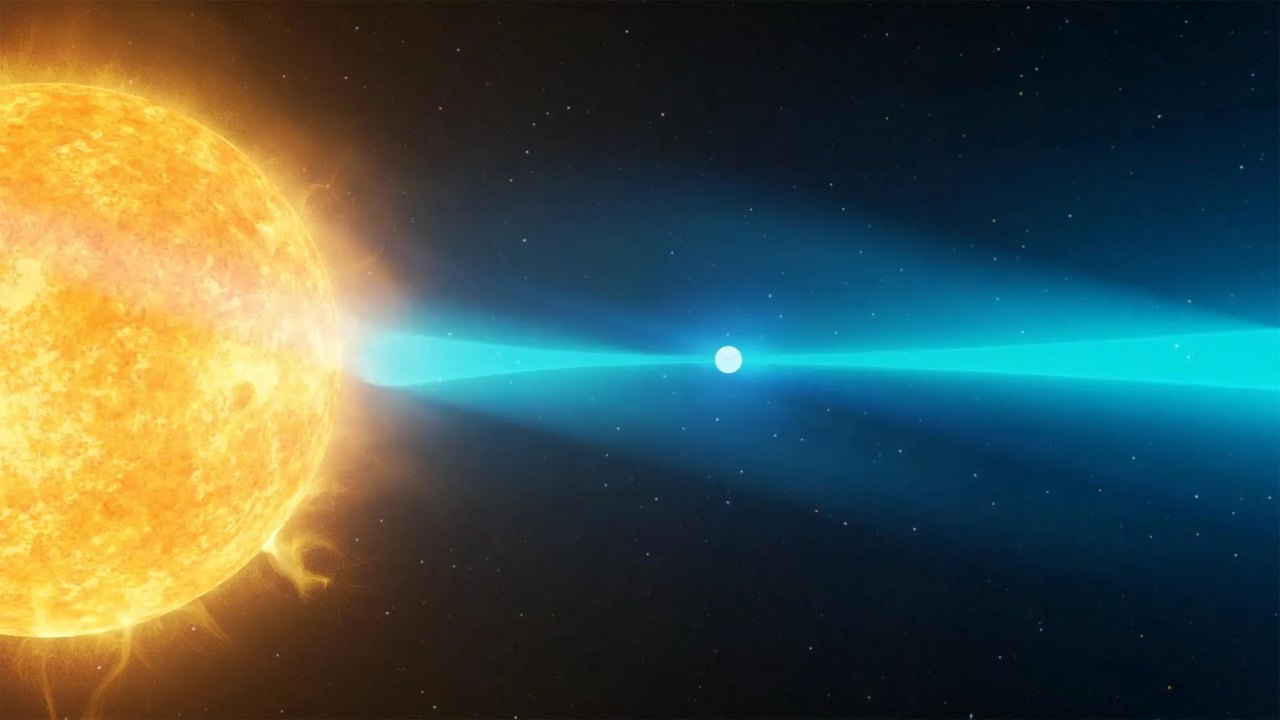
Image: ScienceDaily · Photo source · Resized and letterboxed to 16:9; no AI generation
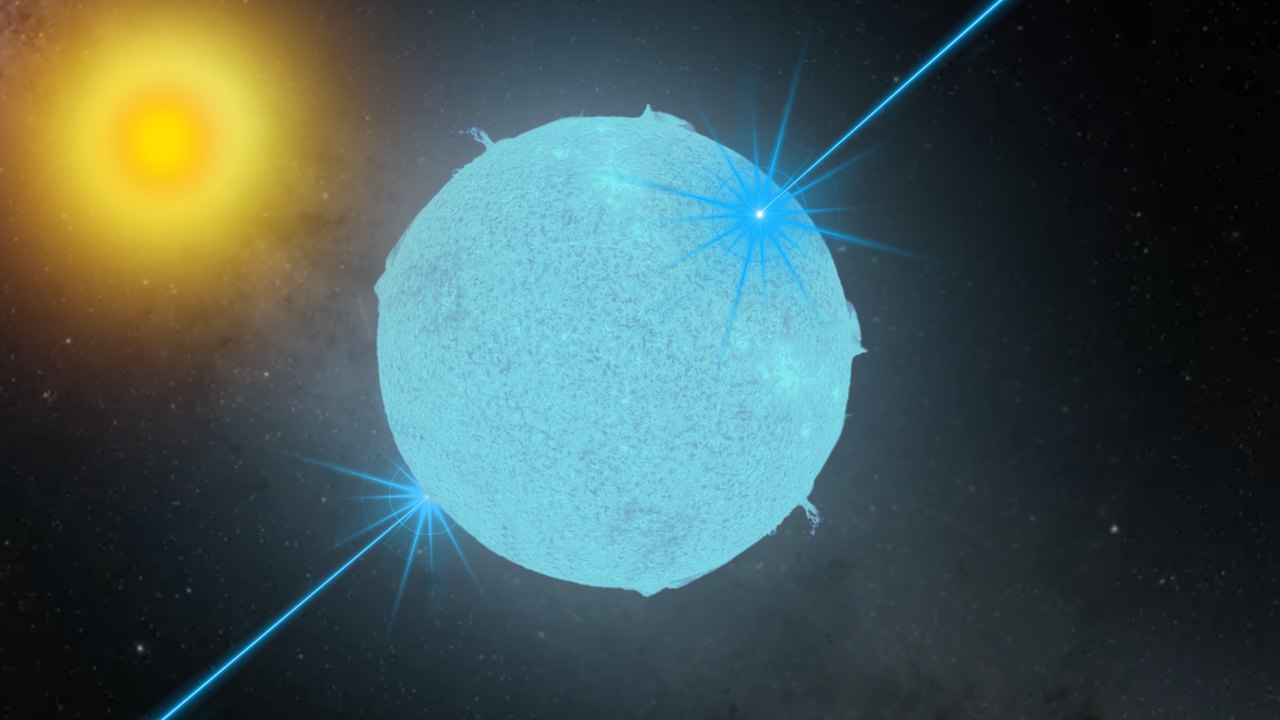
Astronomers have traced mysterious radio signals to an unusual pair of stars located more than 5,000 light-years from Earth. The system, designated GPM J071507−114153, consists of a dense dead star—specifically a white dwarf—and a companion star that closely resembles our own Sun, marking the first time such pulses have been found in a system where a white dwarf orbits a Sun-like star.
Unveiling a Rare Long-Period Transient
The newly identified pair belongs to an unusual group of astronomical objects known as long-period transients (LPTs). These objects produce radio emissions that appear and disappear over periods lasting from several minutes to hours. While researchers have previously found white dwarfs paired with cooler, smaller red dwarfs, this discovery provides the first detailed radio observations following a white dwarf as it orbits a star similar to the Sun.
Lead author Dr. Sam McSweeney, formerly with Curtin University's ICRAR branch and now a commissioning scientist with the Square Kilometre Array Observatory, noted that the pulses are clear enough to track the white dwarf's movement. According to the research team, this indicates the pulsations originate near or on the white dwarf itself.
Giant Magnetic Storms and Stellar Prominences
- Magnetic Disturbances: The observations also allowed astronomers to investigate magnetic activity on the Sun-like companion.
- Stellar Flares: Co-author Associate Professor Natasha Hurley-Walker reported that data revealed stellar flares and powerful magnetic processes akin to those that generate auroras on Earth.
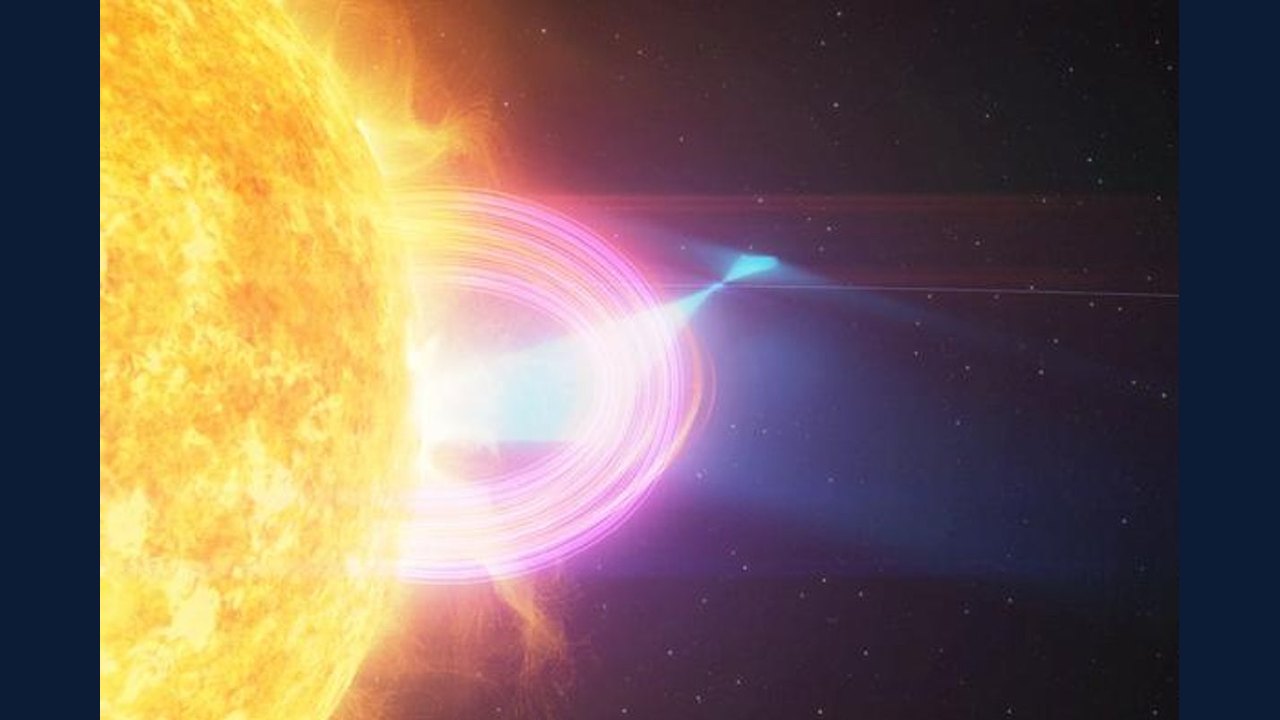
- Plasma Loops: Researchers detected the white dwarf passing behind a strong magnetic field region, likely a stellar prominence—a large loop of erupting plasma.
Global Telescopes and Future Observations
The discovery relied on data from multiple international facilities:
- MWA (Murchison Widefield Array): Used for the initial sweeping survey of the Milky Way in Western Australia.
- MeerKAT: Deployed in South Africa to determine the precise position of the radio source.
- W.M. Keck Observatory: Provided optical confirmation in Hawaiʻi that the companion is a G-type star.
Both the MWA and MeerKAT serve as precursors to the upcoming Square Kilometre Array (SKA) telescopes. Researchers published their findings in *Nature Astronomy* under the study titled "A long-period transient with a Sun-like companion." To verify the findings, the team analyzed over 100 hours of radio data using computing resources at the Pawsey Supercomputing Research Centre.
AI-assisted reporting; source claims are attributed and have not been independently verified.
More to read
 Astronomers Trace Mysterious Radio Signals to White Dwarf and Sun-Like Star Pair
 Astronomers Detect Regular Radio Pulses From Star System 5,000 Light-Years Away
 Astronomers Detect Pulsing Radio Signals Every 8 Minutes from Rare Star System
 Astronomers Identify Trigger Behind Outbursts of Massive Star AT 2016blu