Astronomers Detect Regular Radio Pulses From Star System 5,000 Light-Years Away
· GlobeWire Daily Science Desk · Source: timesofindia.indiatimes.com

Image: The Times of India · Photo source · Resized and letterboxed to 16:9; no AI generation
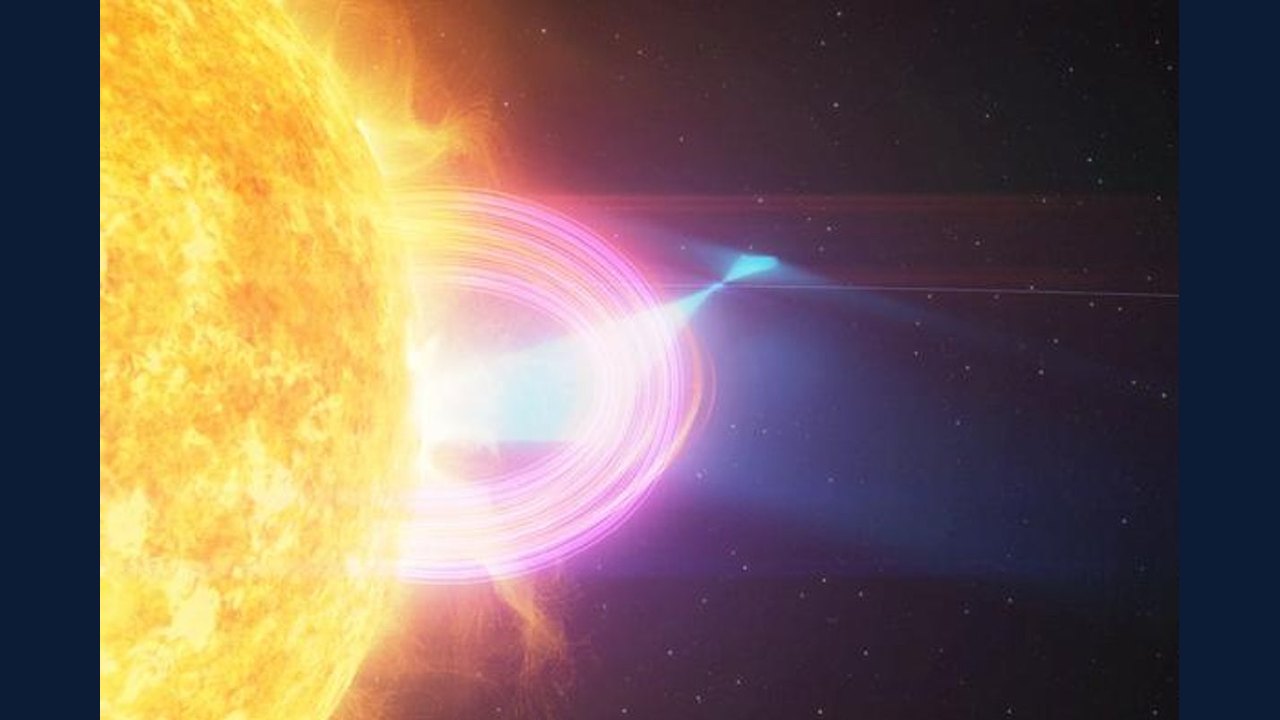
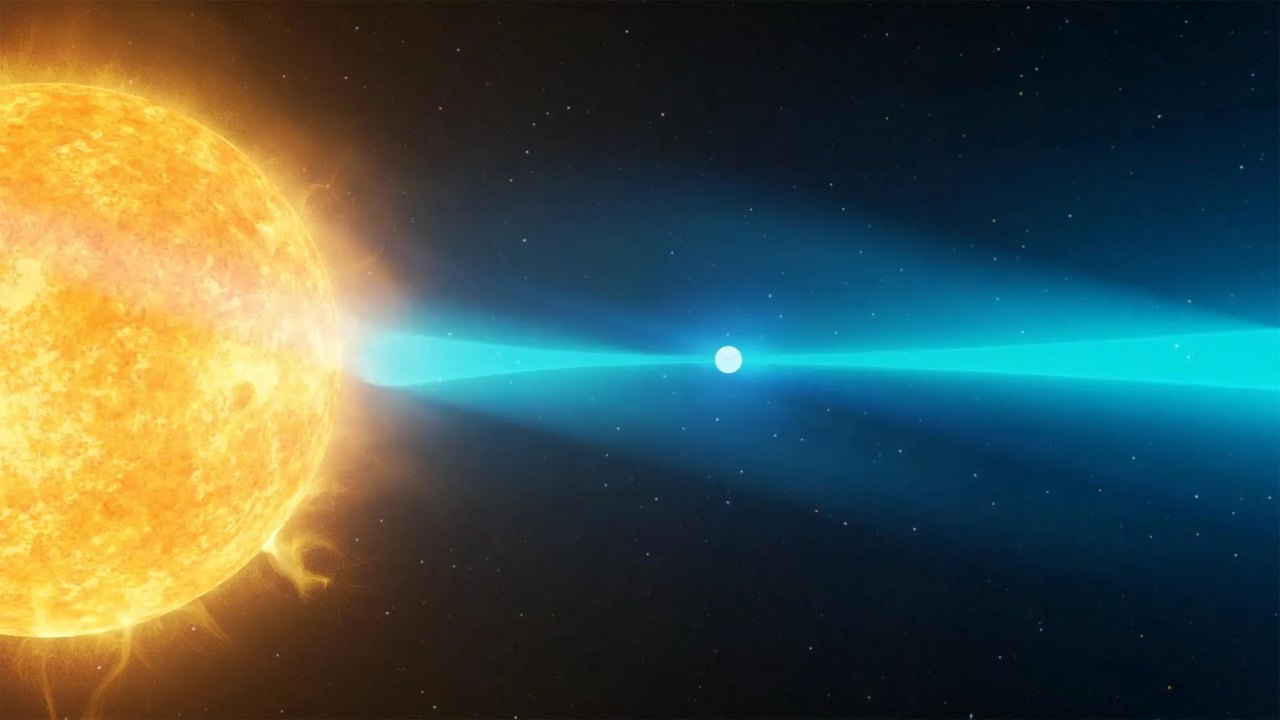
Astronomers have reported the discovery of a star system located more than 5,000 light-years away that emits mysterious radio pulses every eight minutes. The research was conducted by scientists at Curtin University's node of the International Centre for Radio Astronomy Research (ICRAR) in Australia.
Key Findings on GPM J071507−114153
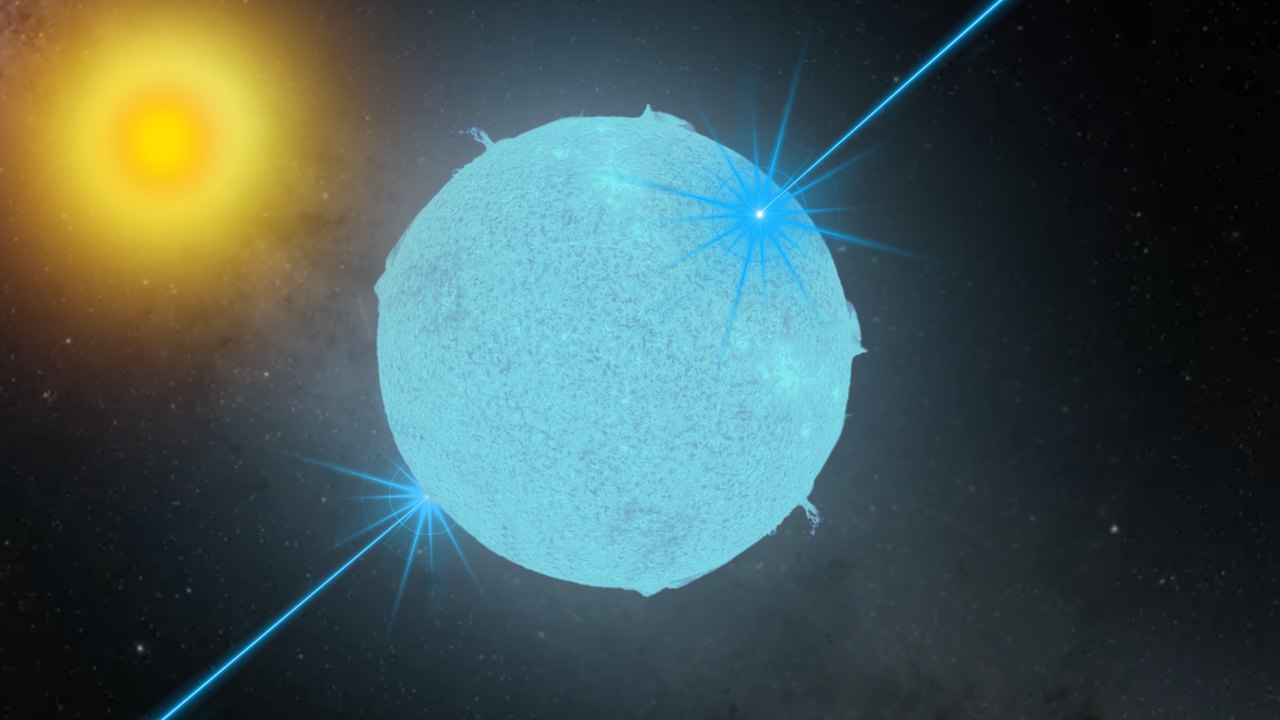
- System Composition: The system consists of a white dwarf and a G-type star similar to our Sun.
- Signal Timing: Radio pulses repeat at regular eight-minute intervals.
- Classification: It belongs to a rare category known as long-period transients (LPTs), with only about a dozen similar objects identified globally since 2021.
- Source Identification: Clear orbital tracking allowed researchers to determine that the pulses originate near or from the white dwarf itself.
Observational Methods
Researchers analyzed over 100 hours of radio data using the Pawsey Supercomputing Research Centre. The discovery involved multiple global facilities:
- Murchison Widefield Array (MWA): Used for the initial survey scanning the Milky Way.
- MeerKAT Telescope: Operated in South Africa to pinpoint the system's precise location.
- W.M. Keck Observatory: Provided optical confirmation linking the system to a G-type companion star.
Additional Observations and Implications
According to co-author Associate Professor Natasha Hurley-Walker, the radio emissions also enabled researchers to detect stellar flares and plasma loops on the Sun-like companion star, resembling solar activity observed within our solar system.
Scientists hope that precursor instruments and upcoming facilities like the Square Kilolomètre Array (SKA) will help clarify the mechanisms behind long-period transients and reveal more systems in the future.
AI-assisted reporting; source claims are attributed and have not been independently verified.
More to read
 Astronomers Detect Pulsing Radio Signals Every 8 Minutes from Rare Star System
 Astronomers Trace Mysterious Radio Pulses to a Dead Star and Sun-Like Companion
 Astronomers Trace Mysterious Radio Signals to White Dwarf and Sun-Like Star Pair
 Voyager 1 Reaches One Light-Day Distance From Earth After 49 Years in Space