Voyager 1 Reaches One Light-Day Distance From Earth After 49 Years in Space
· GlobeWire Daily Science Desk · Source: timesofindia.indiatimes.com
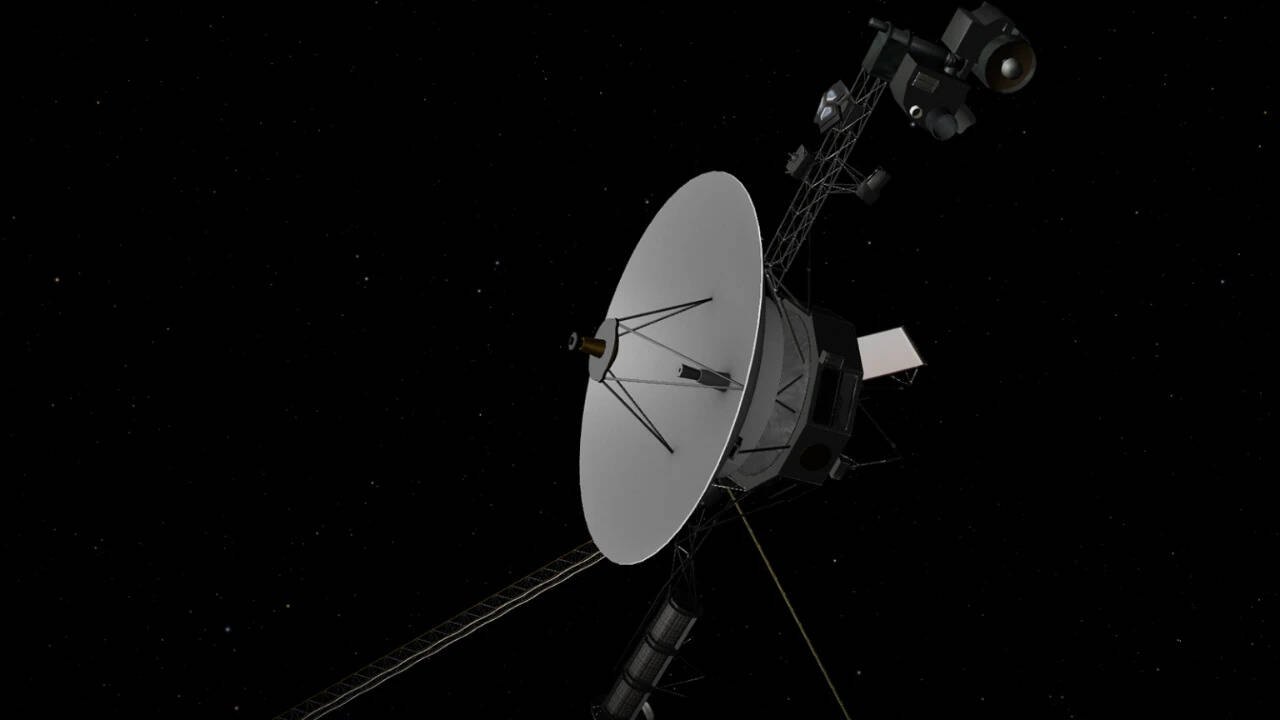
Image: The Times of India · Photo source · Resized and letterboxed to 16:9; no AI generation
NASA's Voyager 1 spacecraft is believed to have crossed the significant milestone of one light-day from Earth, marking a historic achievement as the first human-made object to reach this vast distance. According to advance calculations by NASA, the spacecraft crossed the mark on Wednesday at 3:46 pm IST, having covered approximately 16 billion miles, or 26 billion kilometres, over nearly five decades of space exploration.
Launched in 1977 to explore the outer planets of our solar system, Voyager 1 flew past Jupiter and Saturn before crossing the heliopause—the outer boundary of the Sun's protective bubble of particles and magnetic fields—in 2012 to enter interstellar space. Its twin probe, Voyager 2, followed it into interstellar space in 2018. Currently traveling at nearly 61,000 km/h, Voyager 1 continues to transmit scientific measurements regarding magnetic fields, cosmic rays, and plasma waves.
Communication Delay and Operational Details
- One Light-Day Journey: A radio signal traveling at the speed of light now takes approximately 24 hours to reach the spacecraft, with an additional 24 hours required for a response to return to Earth.
- Power Constraints: The nearly 50-year-old spacecraft faces declining power supplies due to its aging radioisotope thermoelectric generators.
- Expected Longevity: Representatives from NASA's Jet Propulsion Laboratory (JPL) indicated that recent power-saving measures could allow both Voyager probes to maintain communication with Earth for another three to four years.
- Upcoming Anniversary: The mission team aims to keep current scientific instruments operational through the mission's 50th launch anniversary in 2027.
Practical Implications and Verification
- Scientific Value: Data from interstellar space helps researchers understand how the Sun influences its surrounding environment through solar storms and coronal mass ejections.
- Mission Status Verification: Space enthusiasts and researchers can verify mission updates, telemetry data, and official announcements directly through NASA's official Jet Propulsion Laboratory (JPL) and Voyager mission websites.
- Image Rights: Any historical or current imagery associated with the Voyager mission is subject to NASA's specific media usage guidelines and copyright policies.
AI-assisted reporting; source claims are attributed and have not been independently verified.
More to read
 Voyager 1 Reaches One Light-Day Distance from Earth After 49 Years
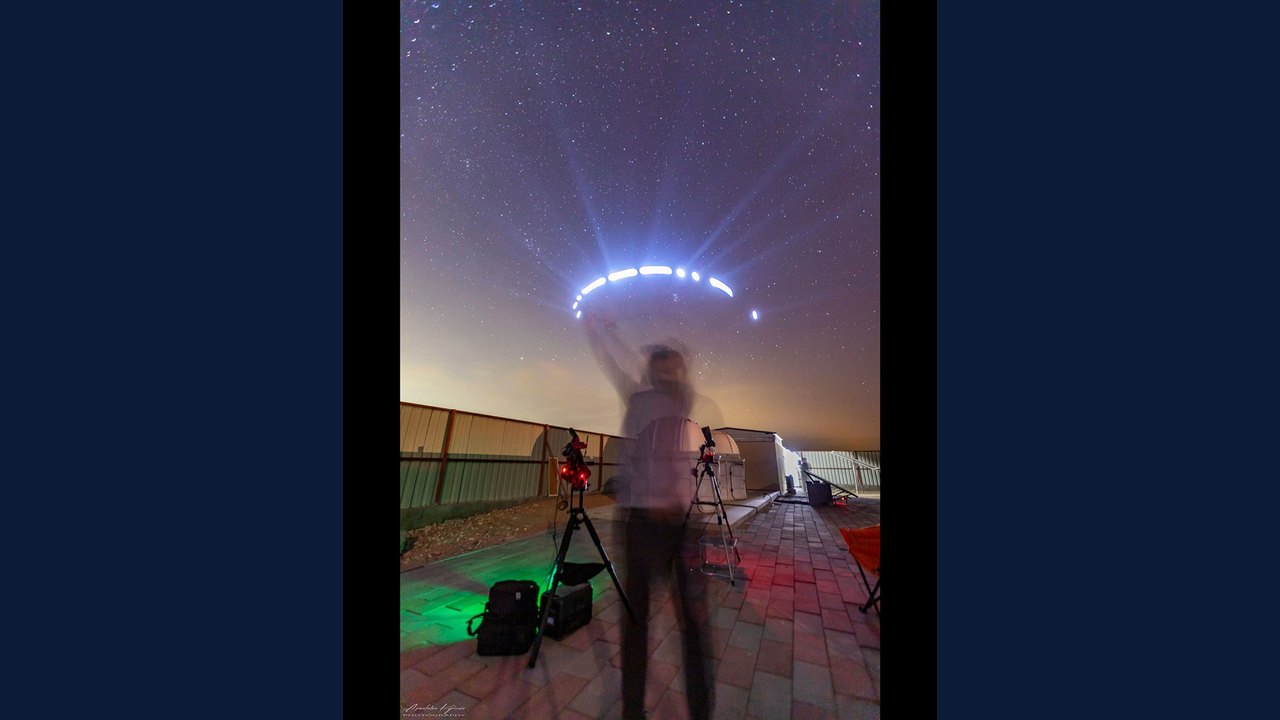 Voyager 1 Reaches One Light-Day Distance Milestone in Interstellar Space
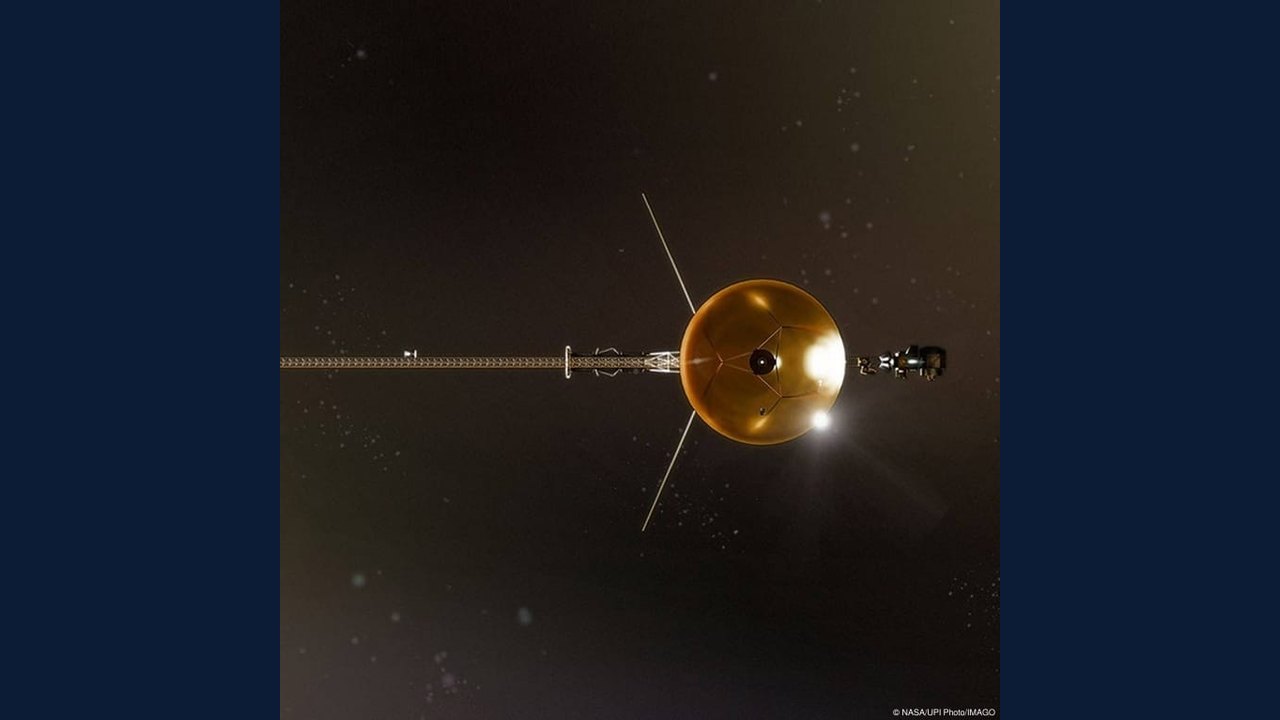 NASA's Voyager 1 Spacecraft Reaches One Light-Day Distance From Earth
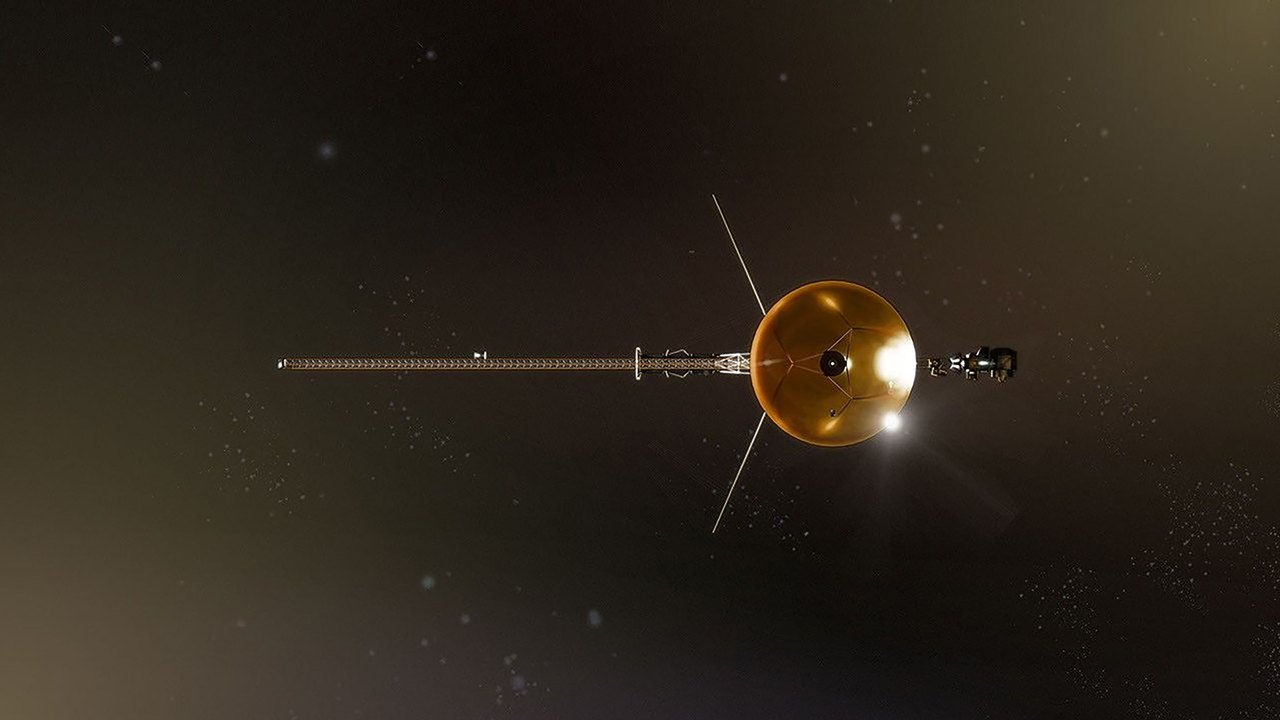 Voyager 1 Is About One Light‑Day From Earth – What That Distance Really Means