Voyager 1 Reaches One Light-Day Distance from Earth After 49 Years
· GlobeWire Daily Editorial Desk · Source: www.theguardian.com

Image: the Guardian · Photo source · Resized and letterboxed to 16:9; no AI generation
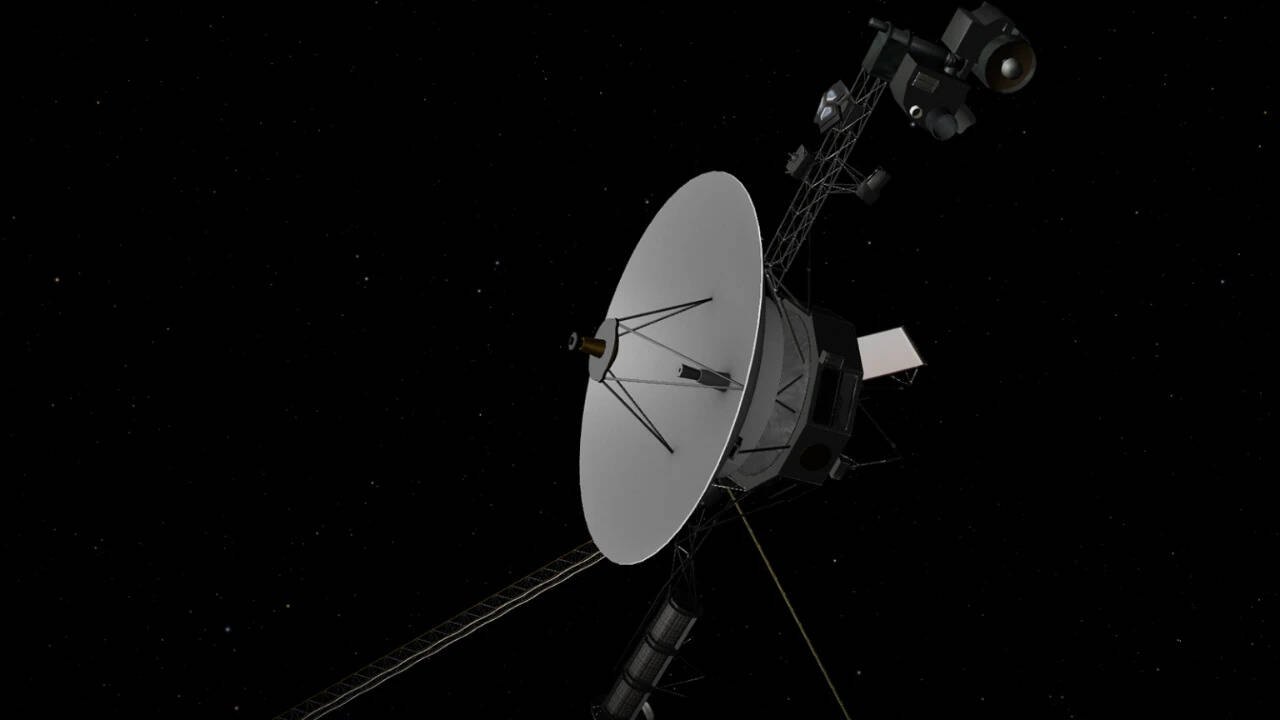
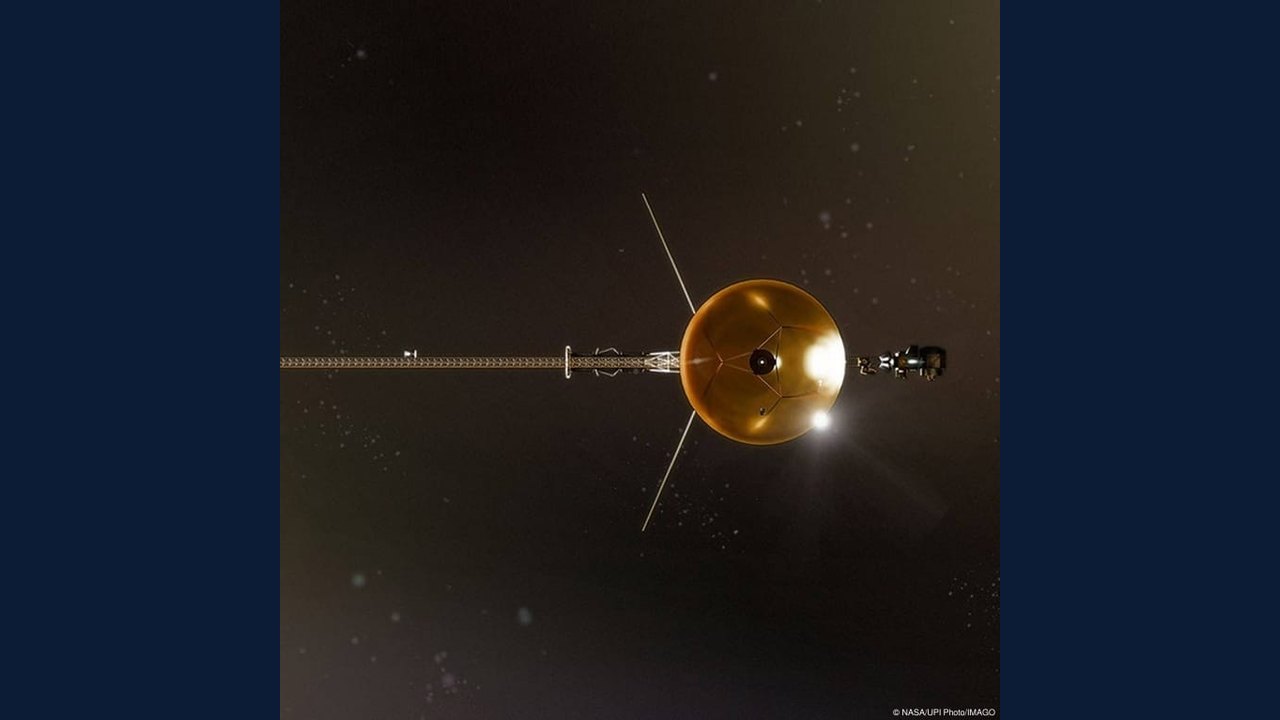
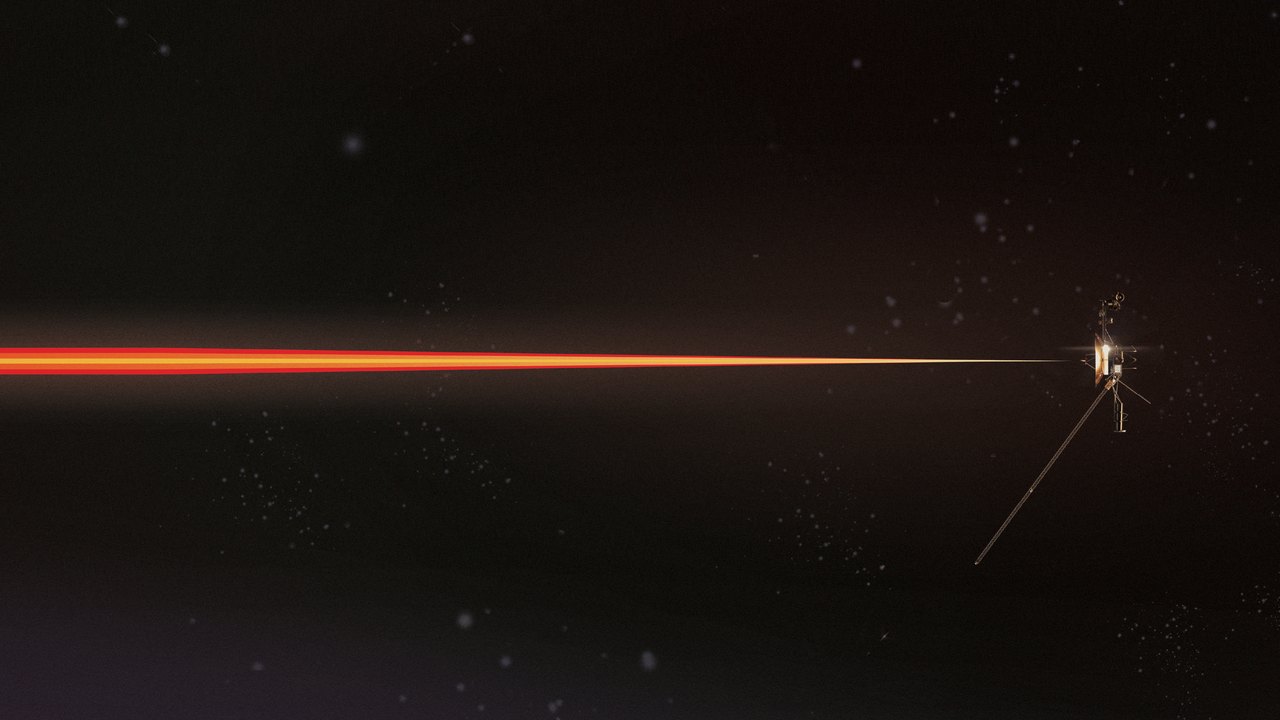
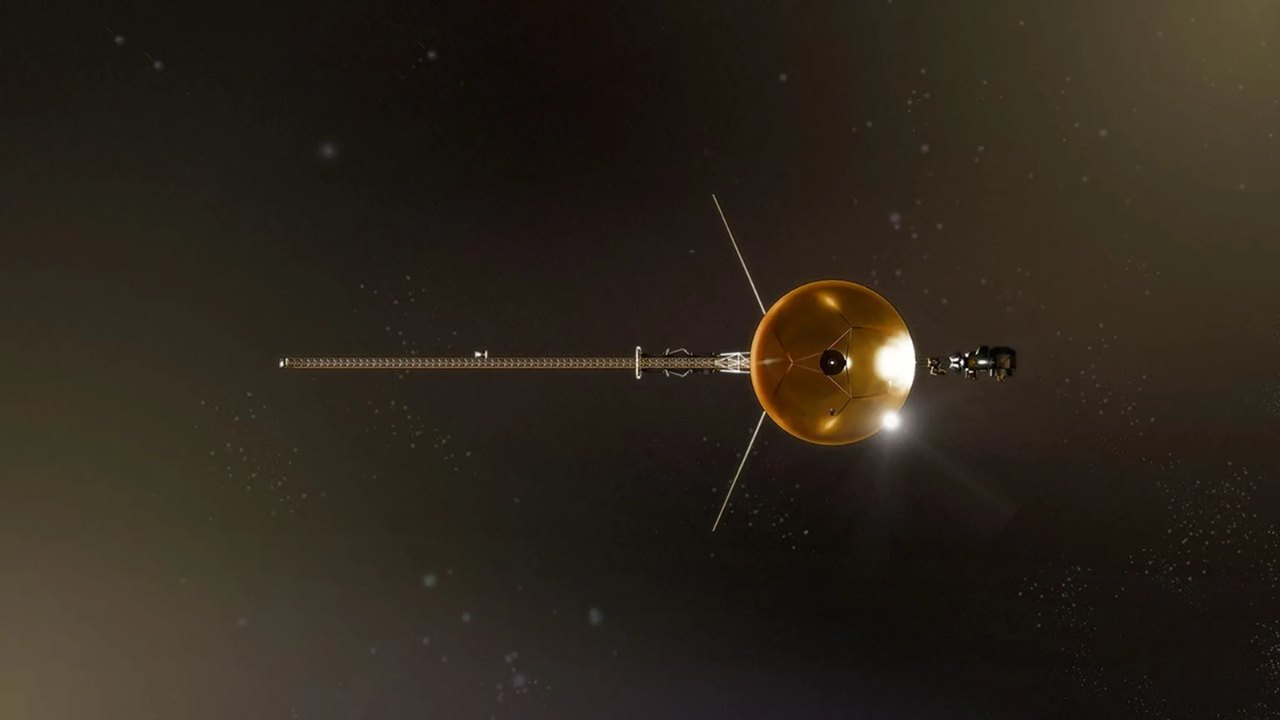
As of November 18, 2026, NASA's Voyager 1 spacecraft has reached a distance of exactly one light-day from Earth, or approximately 16.1 billion miles, following its launch in September 1977. Radio signals now take 24 hours to reach the probe and another 24 hours to return, requiring NASA's Deep Space Network to use massive satellite dishes to detect the weak transmissions.
Journey Through Space and the Golden Record
Voyager 1 entered interstellar space in 2012 after crossing the heliopause. The spacecraft carries a gold-plated copper disk designed to showcase human culture and Earth's diversity, featuring greetings in 55 languages, music by Mozart and Chuck Berry, and a map orienting our solar system to 14 pulsars. In 1990, at the request of a committee chaired by astronomer Carl Sagan, the probe turned its cameras back toward home to capture the famous "pale blue dot" image of Earth.
Environmental Reflection and Future Outlook
Commentators and scientists point out that since the spacecraft's launch, human activity has significantly altered Earth's chemistry, biology, and physical structures, leading to accelerated global warming and ecosystem pressures. Astronaut perspectives and scientific observations emphasize the fragility of our shared planet.
- Current Status: Voyager 1 is operating in interstellar space, 16.1 billion miles from Earth.
- Communication: One-way radio transmission time is 24 hours.
- Future Projection: The spacecraft is expected to lose all power and go silent in the 2030s while continuing its trajectory toward the constellation Ophiuchus.
Verification and Practical Implications
Readers can verify mission updates, telemetry data, and official announcements through NASA's publicly accessible Voyager mission website and the Deep Space Network logs.
AI-assisted reporting; source claims are attributed and have not been independently verified.
More to read
 Voyager 1 Reaches One Light-Day Distance From Earth After 49 Years in Space
 NASA's Voyager 1 Spacecraft Reaches One Light-Day Distance From Earth
 Voyager 1 Reaches One Light‑Day From Earth, Marking a New Interstellar Milestone
 Nasa's Voyager 1 Set to Reach One Light-Day Distance from Earth