Nasa's Voyager 1 Set to Reach One Light-Day Distance from Earth
· GlobeWire Daily Editorial Desk · Source: timesofindia.indiatimes.com
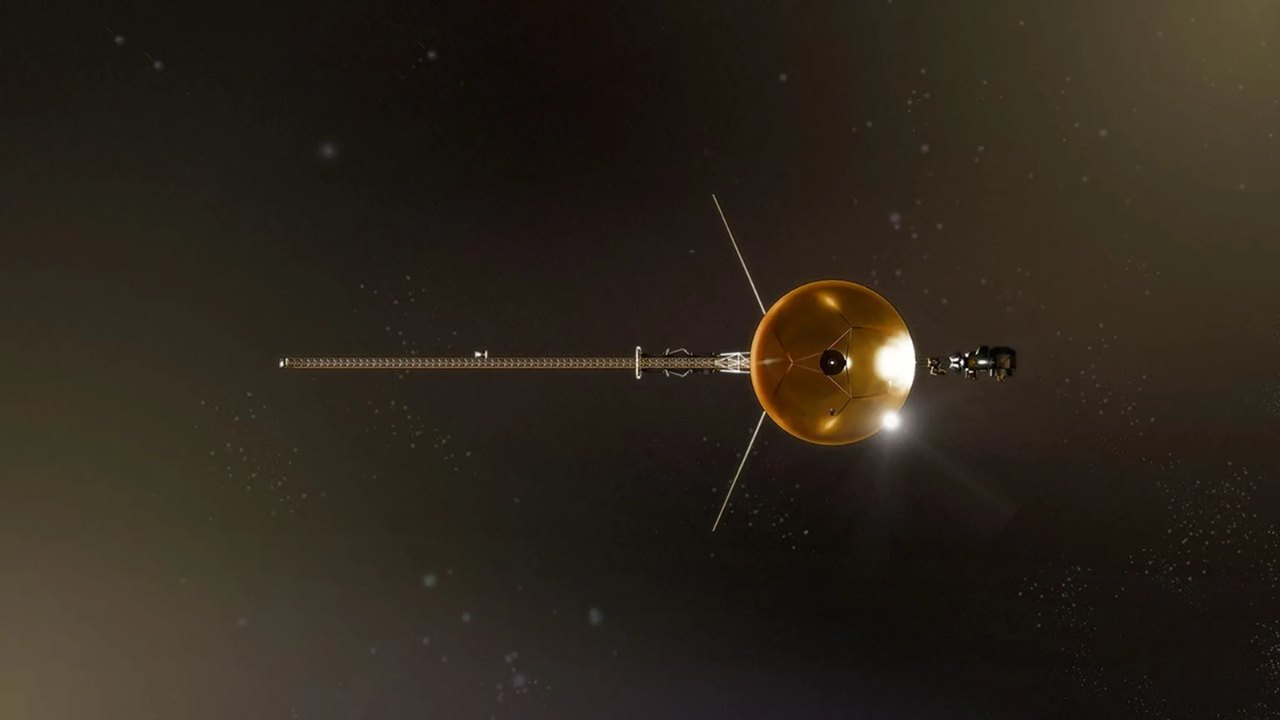
Image: The Times of India · Photo source · Resized and letterboxed to 16:9; no AI generation
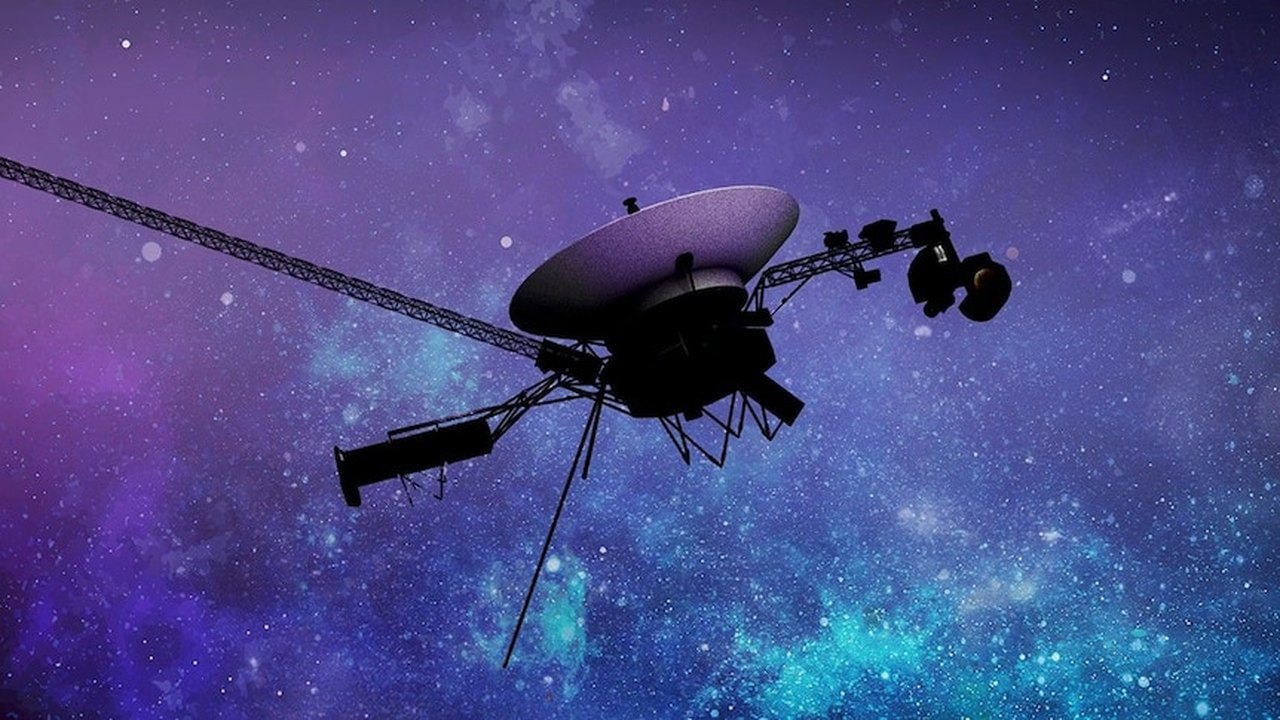
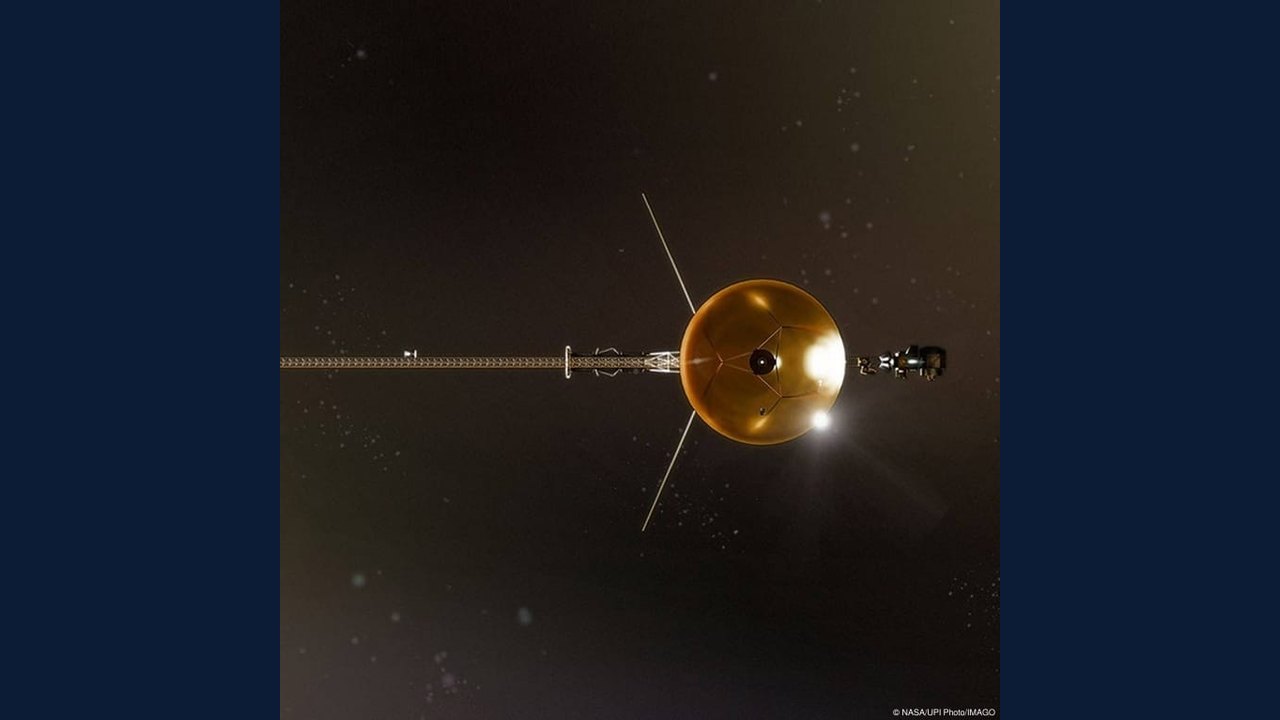
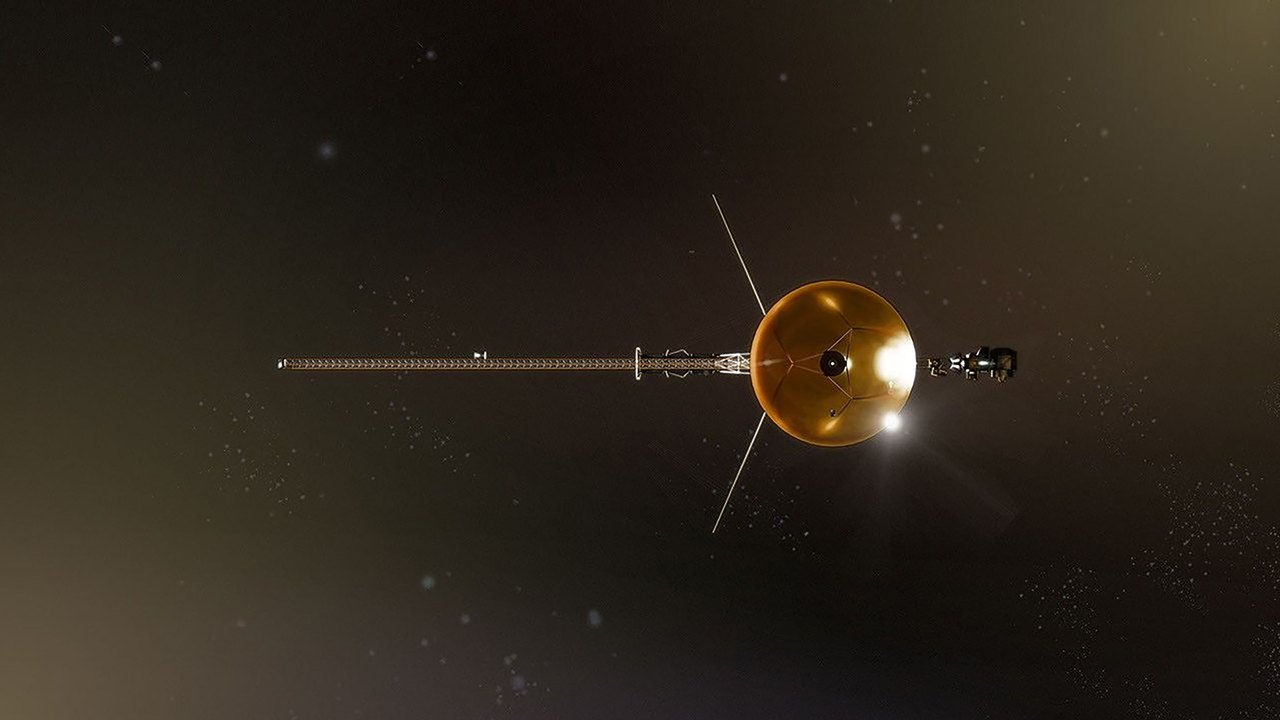
Nasa's Voyager 1 spacecraft is expected to reach a distance of one light-day from Earth on Wednesday, marking a historic milestone nearly 50 years after its launch. According to Nasa, the spacecraft will be approximately 25.9 billion kilometres away, meaning a radio signal from Earth will take 24 hours to reach it, and a response will take another day.
Understanding the Light-Day Milestone
A light-day measures the distance light travels in 24 hours. Moving at about 300,000 kilometres per second, this equals roughly 25.9 billion kilometres or 16.1 billion miles. Voyager 1 has taken 49 years, two months, and 11 days to cover this distance, travelling at approximately 61,000 kilometres per hour.
Mission Background and Interstellar Journey
Launched on September 5, 1977, from Cape Canaveral, Florida, Voyager 1 was originally designed to study Jupiter and Saturn using a gravity-assist technique. After completing its planetary flybys, its trajectory carried it toward interstellar space.
- Heliopause Crossing: Voyager 1 crossed the heliopause in August 2012, entering the interstellar medium.
- Direction and Future Path: The spacecraft is travelling toward the constellation Ursa Minor and is projected to pass within 1.7 light-years of the star Gliese 445 in about 40,000 years.
- Voyager 2 Comparison: Twin spacecraft Voyager 2 followed a different path, exploring Uranus and Neptune, and is expected to reach the one light-day mark in November 2035.
The Golden Record
Voyager 1 carries a 12-inch gold-plated copper disc containing sounds, images, greetings in 55 languages, and music to represent Earth to any potential extraterrestrial life in the distant future.
Practical Implications and Verification
This milestone highlights the longevity of early space exploration technology and the vast scale of interstellar space. Readers can verify mission updates and official announcements directly through Nasa's Voyager mission website.
AI-assisted reporting; source claims are attributed and have not been independently verified.
More to read
 NASA's Voyager 1 Probe Expected to Reach Historic One Light-Day Distance Milestone
 NASA's Voyager 1 Spacecraft Reaches One Light-Day Distance From Earth
 Voyager 1 Reaches One Light-Day Distance from Earth After 49 Years
 Voyager 1 Is About One Light‑Day From Earth – What That Distance Really Means