NASA's Voyager 1 Probe Expected to Reach Historic One Light-Day Distance Milestone
· GlobeWire Daily Editorial Desk · Source: www.abc.net.au
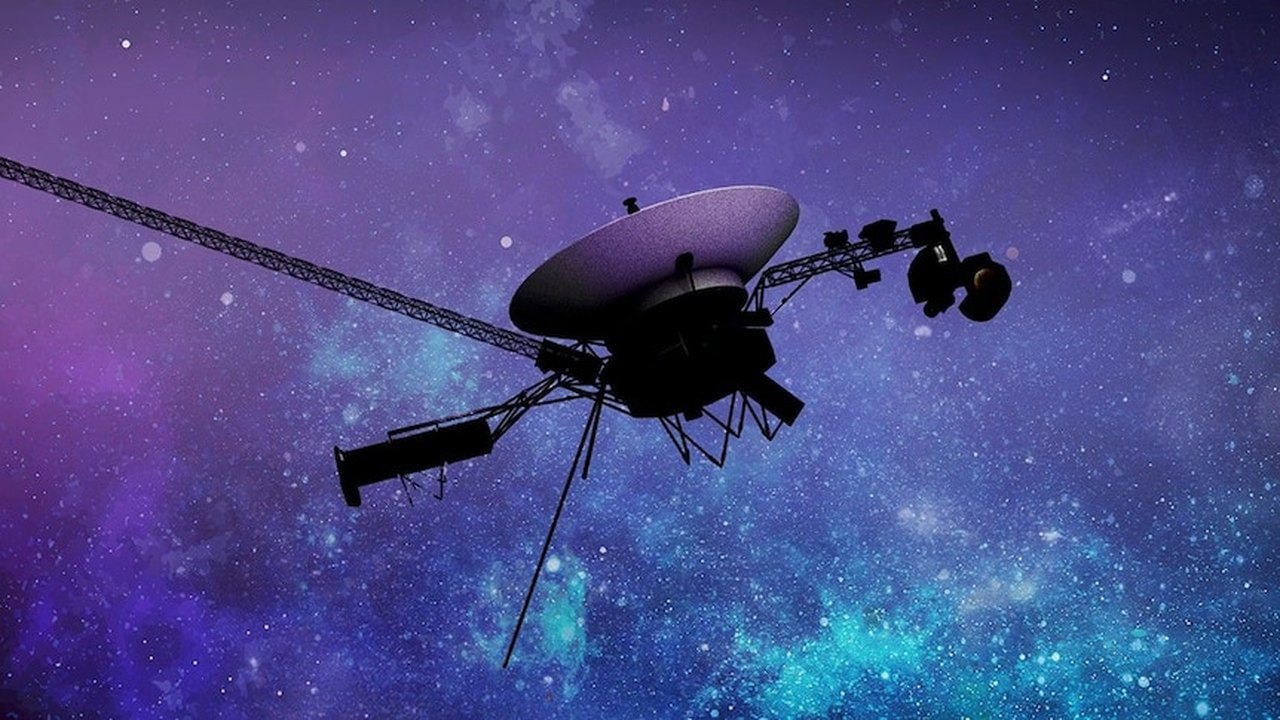
Image: www.abc.net.au · Photo source · Resized and letterboxed to 16:9; no AI generation
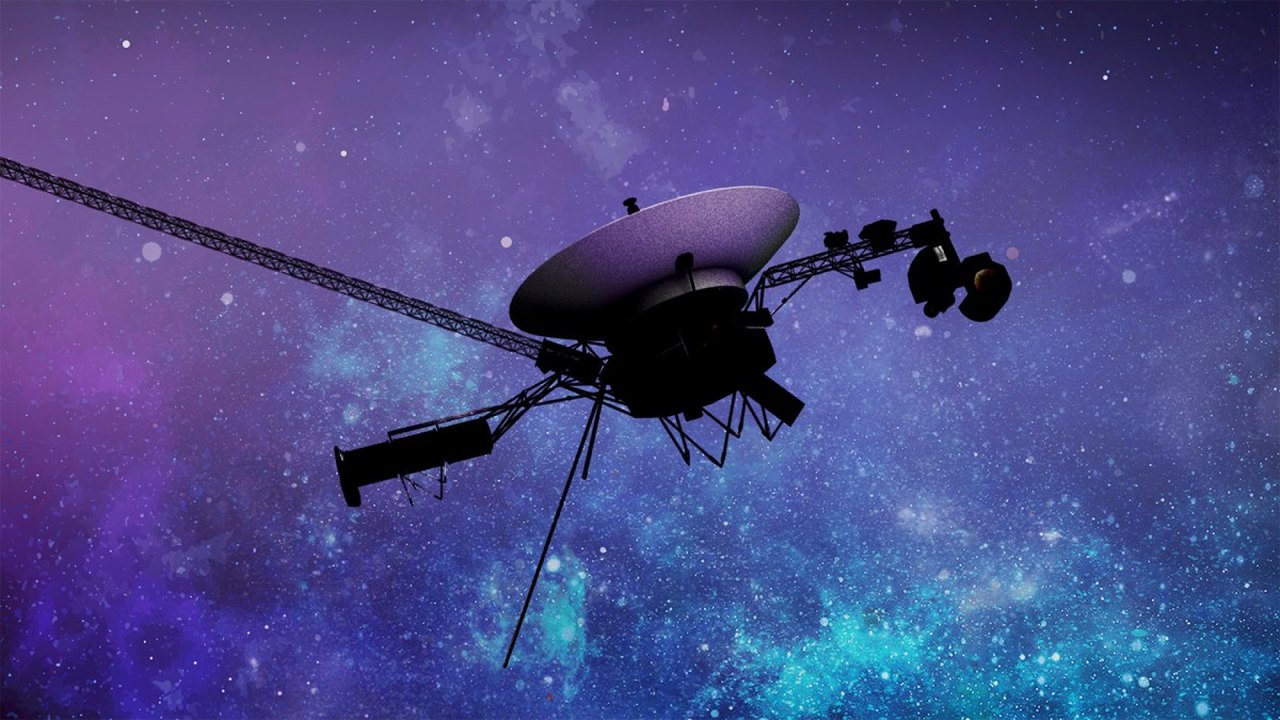
NASA reports that the Voyager 1 spacecraft is scheduled to reach a distance of one light-day, or 25.9 billion kilometres, from Earth. Launched nearly 50 years ago, Voyager 1 remains the farthest human-made object in space and continues to operate past its initial retirement expectations.
Key Details of the Milestone
- Distance: 25.9 billion kilometres (approximately 173 astronomical units).
- Light Travel Time: A radio signal sent from Earth will take exactly 24 hours to reach the spacecraft travelling at the speed of light.
- Projected Time: NASA predicted the milestone would be reached at 9:16 pm AEDT on November 18.
Mission Background and Status
Voyager 1 and its twin, Voyager 2, were launched in 1977 to explore Jupiter and Saturn, with Voyager 2 continuing on to Uranus and Neptune. Originally expected to last a decade, both probes have far exceeded their planned lifespans. Voyager 1 entered interstellar space in 2012.
- Power and Systems: Operating on dwindling nuclear batteries, NASA has deactivated most equipment and heaters to conserve energy.
- Active Instruments: Only two instruments measuring the Sun's magnetic field and plasma remain functional.
- Tracking: NASA's Deep Space Network in Canberra, California, and Madrid monitors the spacecraft's position and condition.
Practical Implications and Verification
While the spacecraft faces degrading thrusters, cooling temperatures, and eventual loss of power expected by the early 2030s, both probes carry golden records containing sounds and sights of Earth. Readers can verify official updates and tracking data directly through NASA's official missions website and Deep Space Network announcements.
AI-assisted reporting; source claims are attributed and have not been independently verified.
More to read
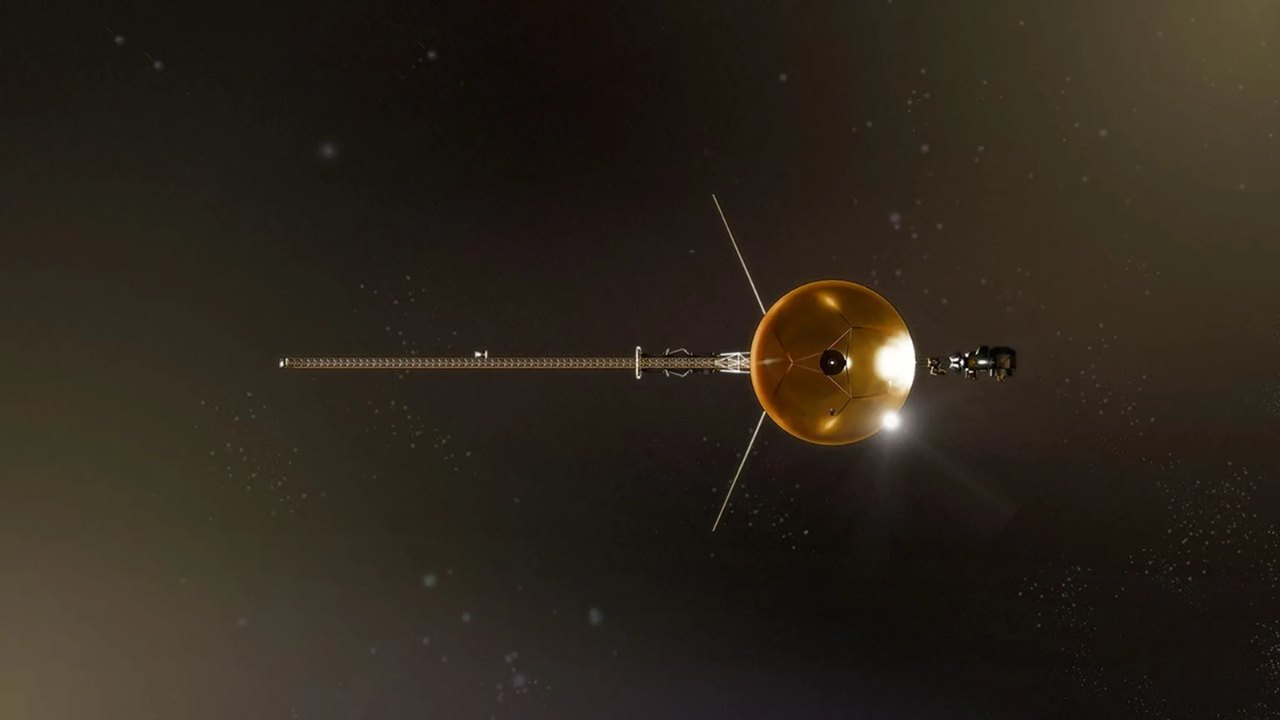 Nasa's Voyager 1 Set to Reach One Light-Day Distance from Earth
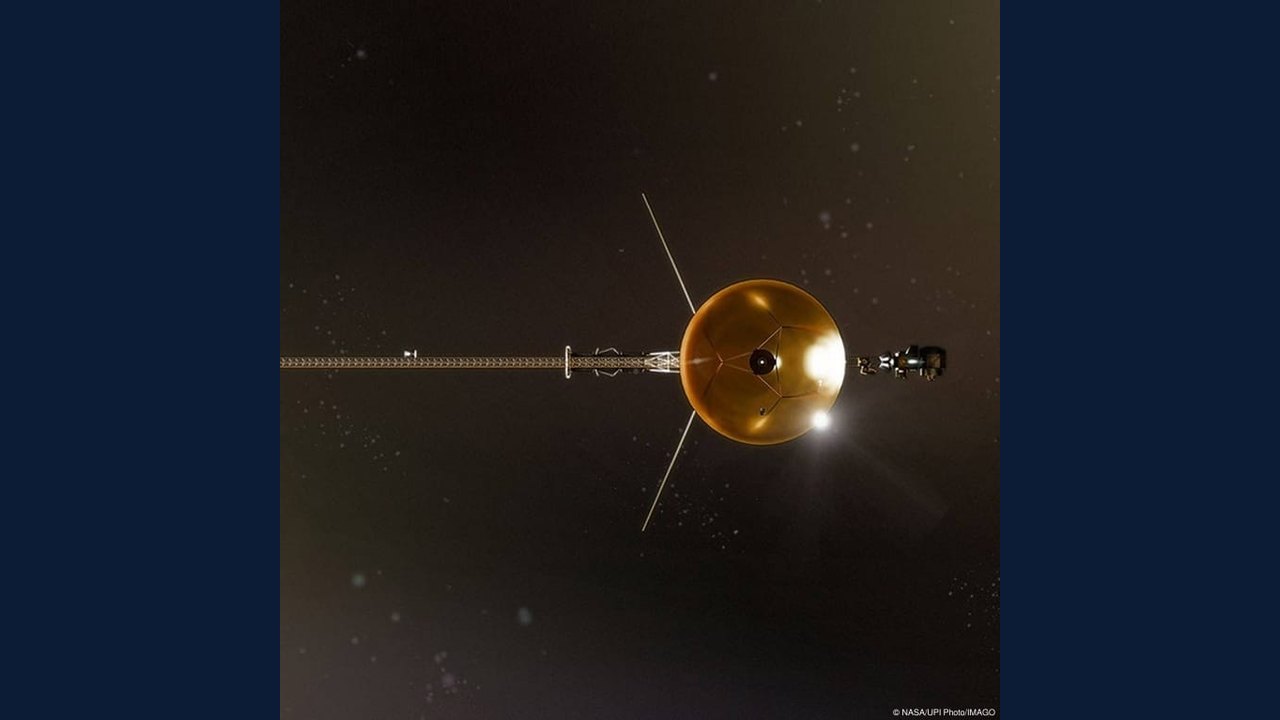 NASA's Voyager 1 Spacecraft Reaches One Light-Day Distance From Earth
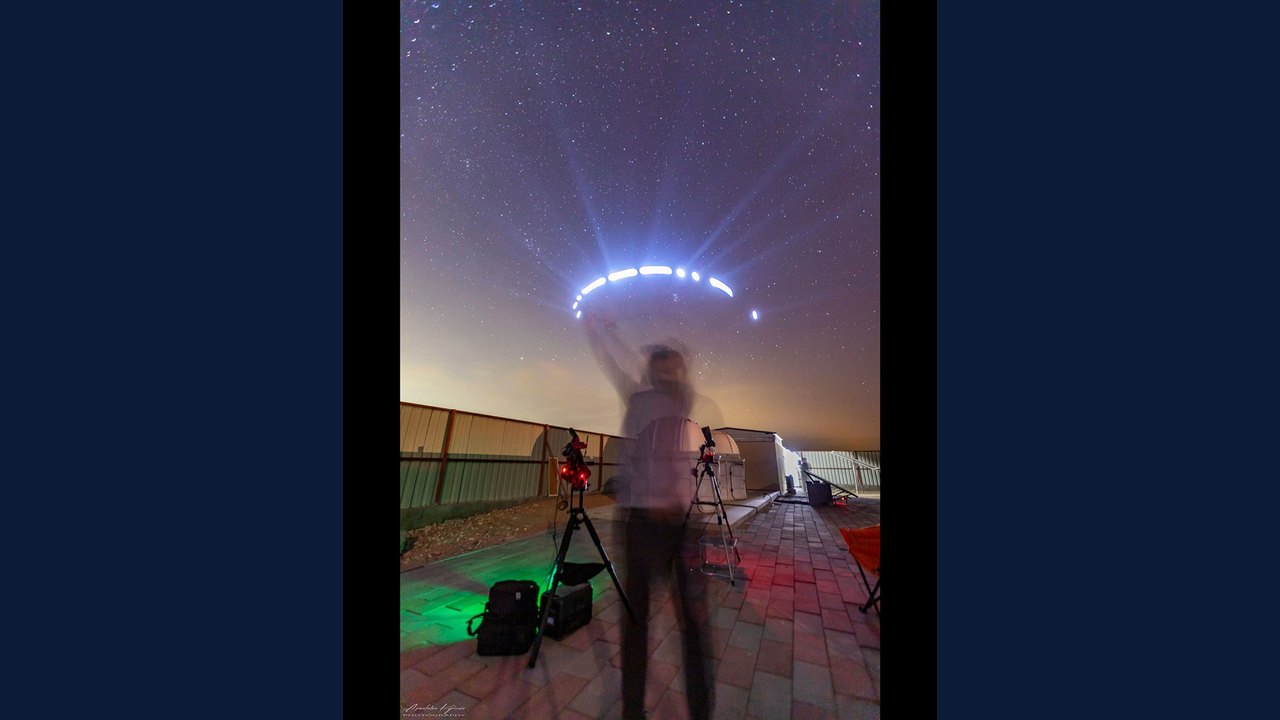 Voyager 1 Reaches One Light-Day Distance Milestone in Interstellar Space
 Voyager 1 Reaches One Light-Day From Earth, Marking a Historic Milestone