Voyager 1 Reaches One Light-Day From Earth, Marking a Historic Milestone
· GlobeWire Daily Science Desk · Source: www.cnet.com
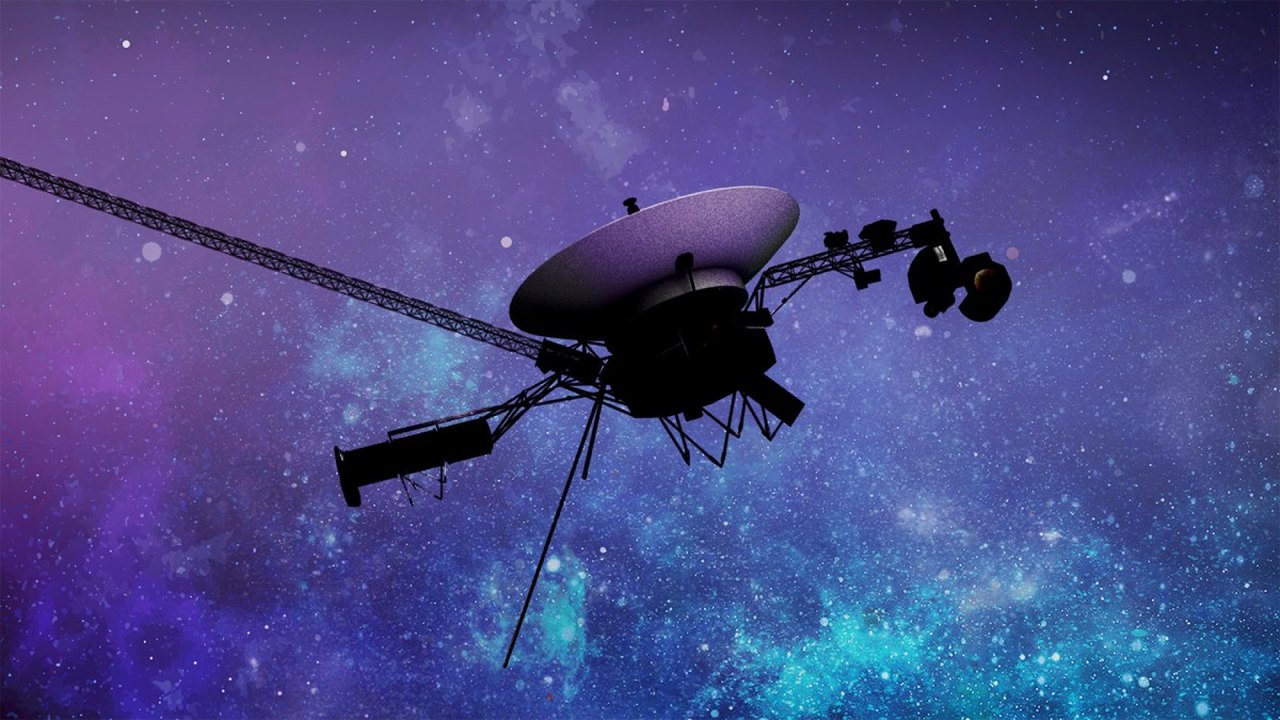
Image: CNET · Photo source · Resized and letterboxed to 16:9; no AI generation
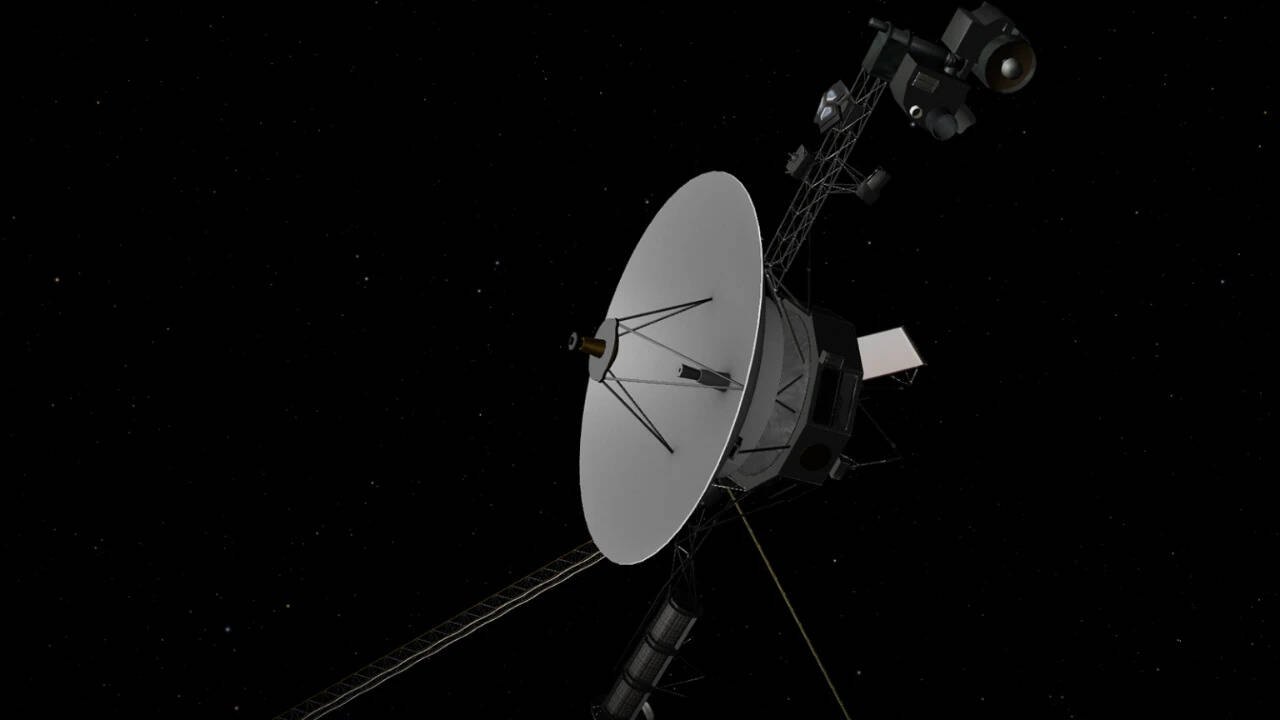
NASA’s Voyager 1 spacecraft has reached a distance of one light-day from Earth, becoming the first human-made object to achieve this milestone. Travelling at approximately 37,763 mph, the probe is now roughly 16.1 billion miles away, meaning a radio signal takes a full 24 hours to travel in either direction between Earth and the spacecraft.
Launched on Sept. 5, 1977, Voyager 1 has spent nearly 50 years traversing the cosmos. The milestone comes 14 years after the probe crossed the heliopause into interstellar space and 28 years after it surpassed Pioneer 10 as the most distant human-made object in space.
Mission Status and Power Management
- Current Operations: Voyager 1 continues to transmit data home at a slow rate, operating with two remaining active science instruments following power-saving measures.
- Power Decline: Powered by radioisotope thermoelectric generators running on decaying plutonium-238, output has dropped from 470 watts at launch to about 215 watts.
- Future Outlook: NASA anticipates the spacecraft will shut down its final science instrument in the 2030s and lose communication capability by 2036 due to insufficient power.
Public Events and Verification
NASA marked the occasion with a global 'Shine Bright for Voyager’s Light-Day' event, inviting the public to point lights skyward. The agency also launched a dedicated website featuring Voyager’s VGR call sign in Morse code. The Jet Propulsion Laboratory scheduled a moderated discussion with status updates and a live Q&A.
Observers can verify mission updates through official NASA channels, the JPL website, and NASA's Deep Space Network logs.
AI-assisted reporting; source claims are attributed and have not been independently verified.
More to read
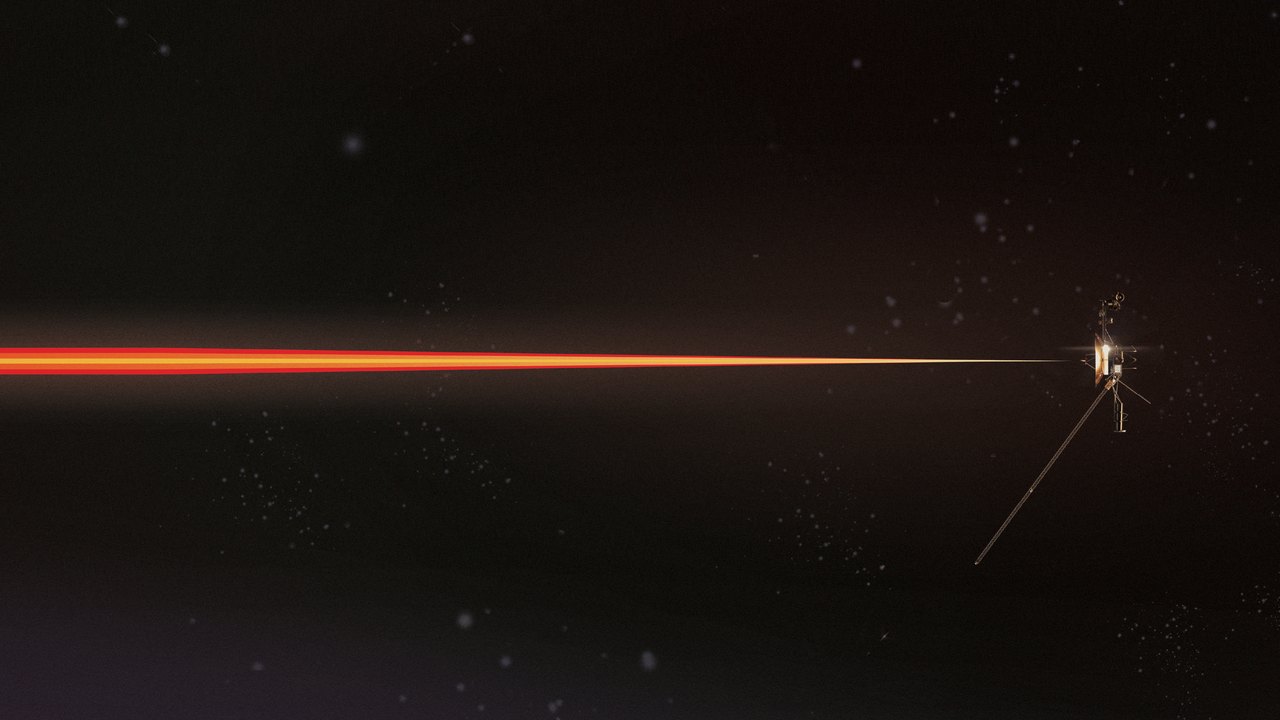 Voyager 1 Reaches One Light‑Day From Earth, Marking a New Interstellar Milestone
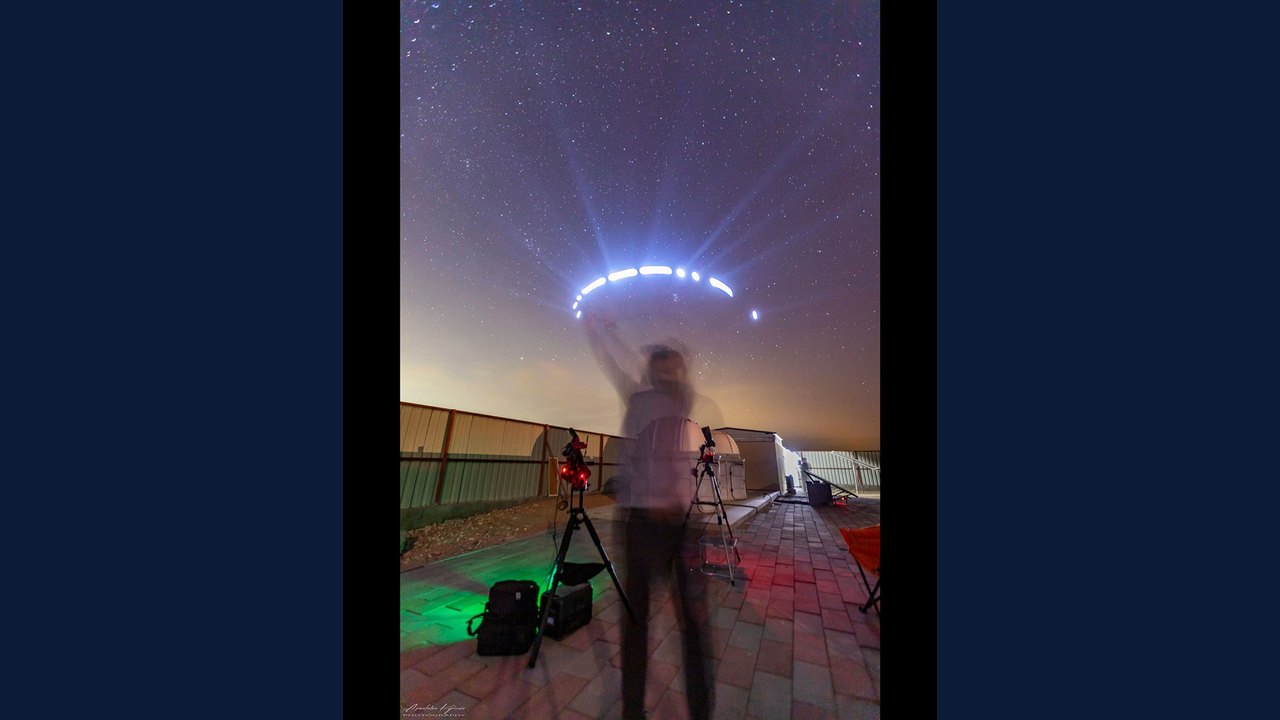 Voyager 1 Reaches One Light-Day Distance Milestone in Interstellar Space
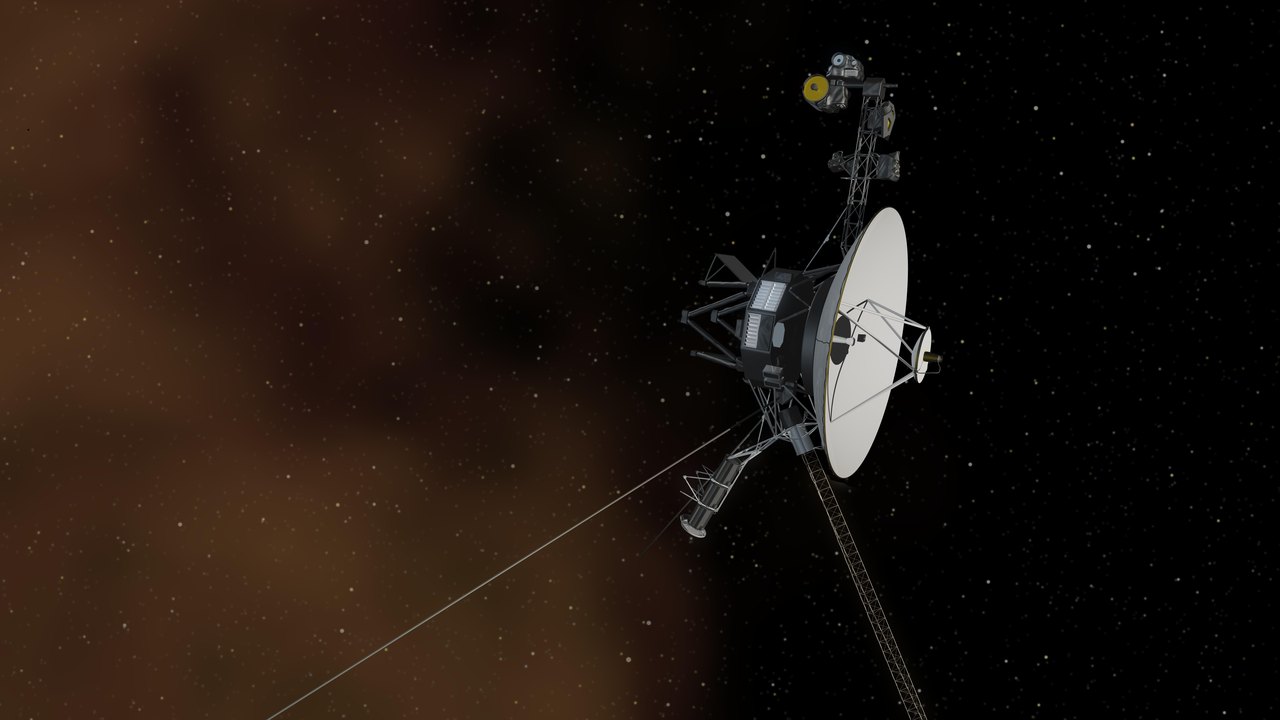 Voyager 1 Reaches One Light-Day From Earth and Keeps Working
 Voyager 1 Reaches One Light-Day Distance From Earth After 49 Years in Space