Voyager 1 Reaches One Light-Day Distance Milestone in Interstellar Space
· GlobeWire Daily Science Desk · Source: science.nasa.gov
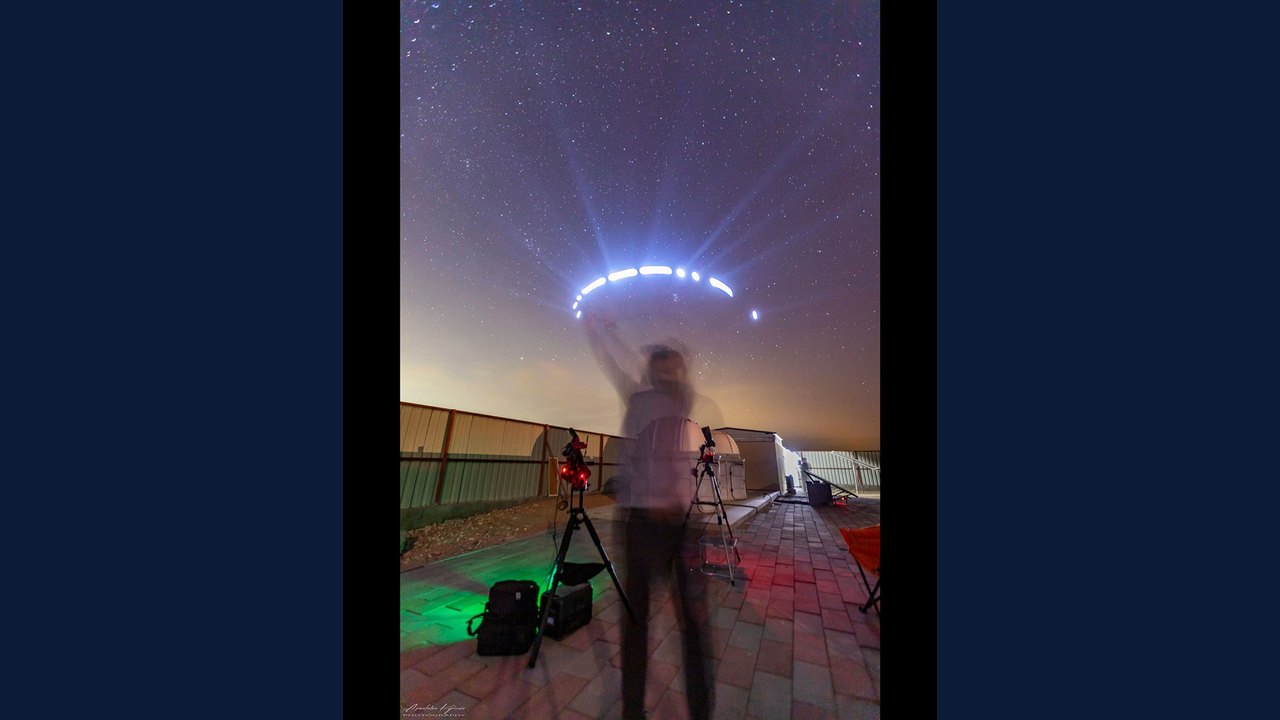
Image: NASA Science · Photo source · Resized and letterboxed to 16:9; no AI generation
On November 18, NASA's Voyager 1 spacecraft officially reached a distance milestone of one light-day from Earth, operating in interstellar space nearly 50 years after its 1977 launch. Reports indicate that the milestone was confirmed at 10:16:07 UTC.
To mark the occasion around the planet, spaceflight enthusiasts participated in a public stargazing event on November 17 hosted by the Emirates Astronomical Observatory. Participants used a flashlight beam switched on and off to trace a Morse code message into the night sky, spelling out the spacecraft's call sign: V-G-R.
Understanding the Distance Milestone
- Current Location: Interstellar space, approximately 26 billion kilometers away from Earth.
- Light Travel Time: It takes light, and therefore radio signals traveling at light speed, exactly one day to reach the distant spacecraft.
- Future Projections: Based on the approximate rate of one light-day per 50 years, theoretical calculations suggest the probe could reach a distance of one light-year in roughly 18,250 years.
Practical Implications and Verification
While the milestone is a notable conceptual marker for interstellar travel, it does not alter the spacecraft's ongoing scientific operations or telemetry transmission.
- Verification: Readers can verify official updates, high-resolution imagery, and daily astronomical explanations directly through NASA's Astronomy Picture of the Day (APOD) archive and official mission logs.
- Data Limitations: Specific signal travel times and distance milestones depend on ongoing telemetry tracking and astronomical calculations provided by space agencies.
AI-assisted reporting; source claims are attributed and have not been independently verified.
More to read
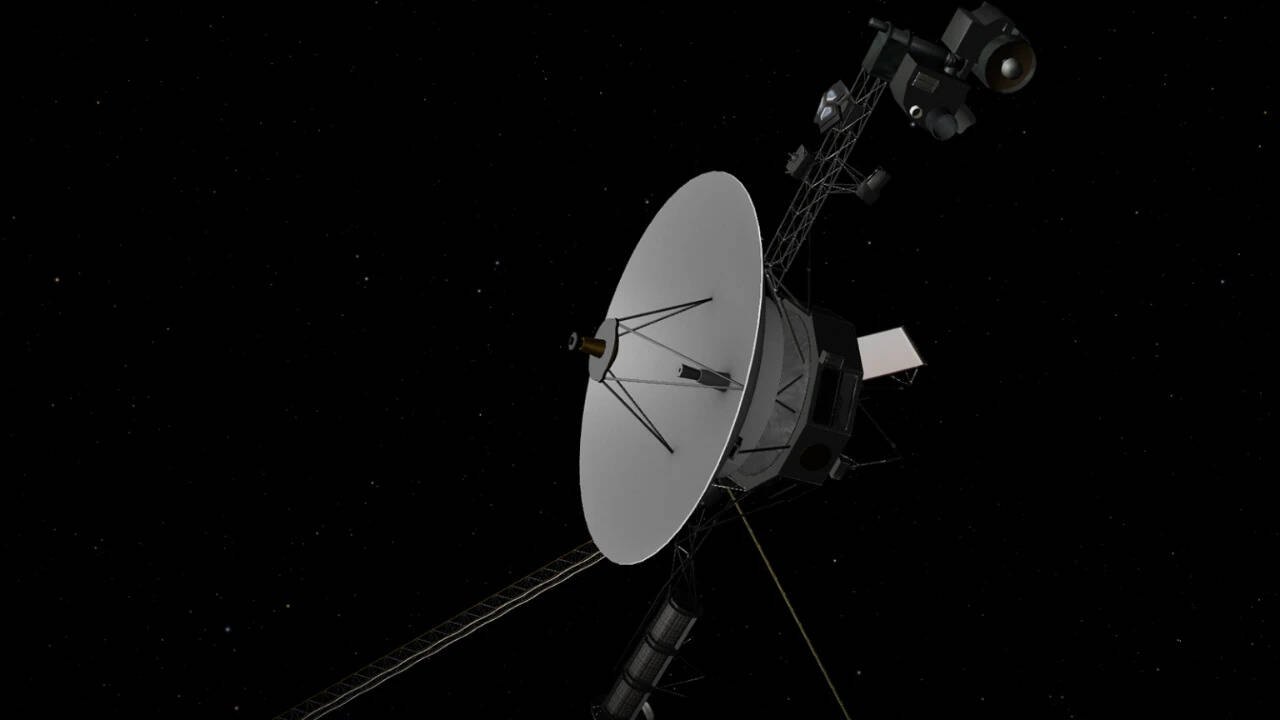 Voyager 1 Reaches One Light-Day Distance From Earth After 49 Years in Space
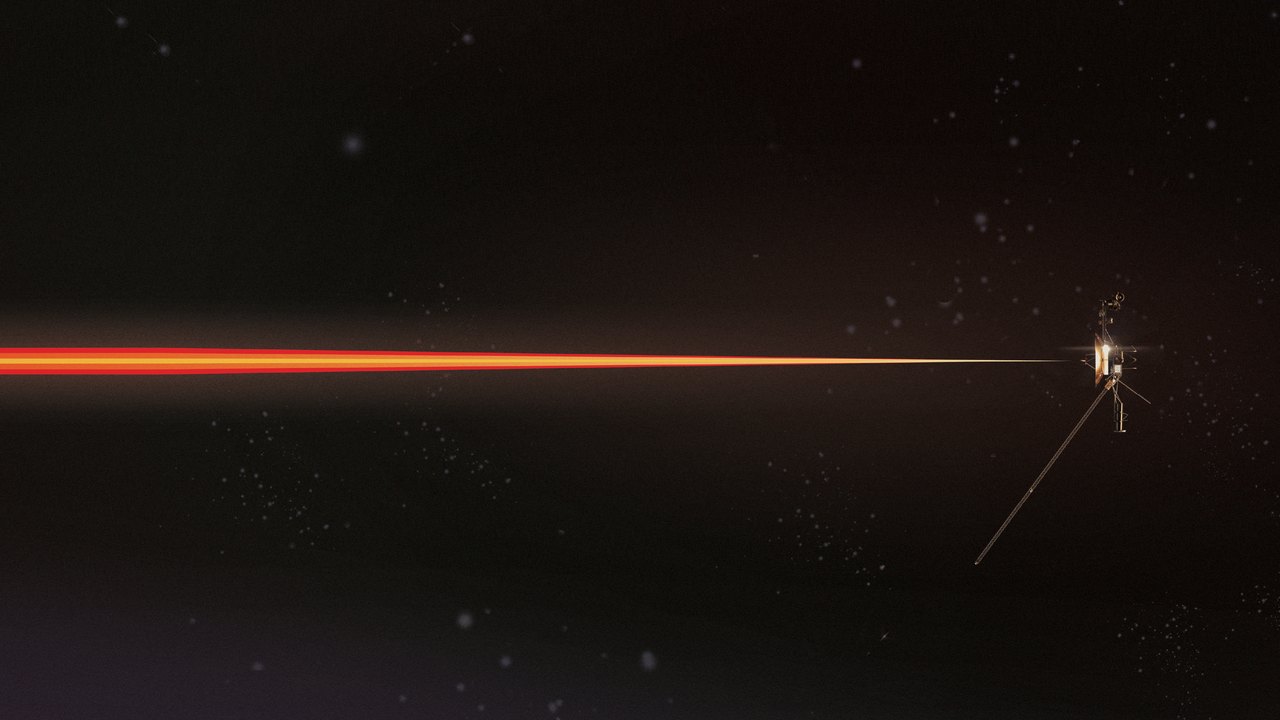 Voyager 1 Reaches One Light‑Day From Earth, Marking a New Interstellar Milestone
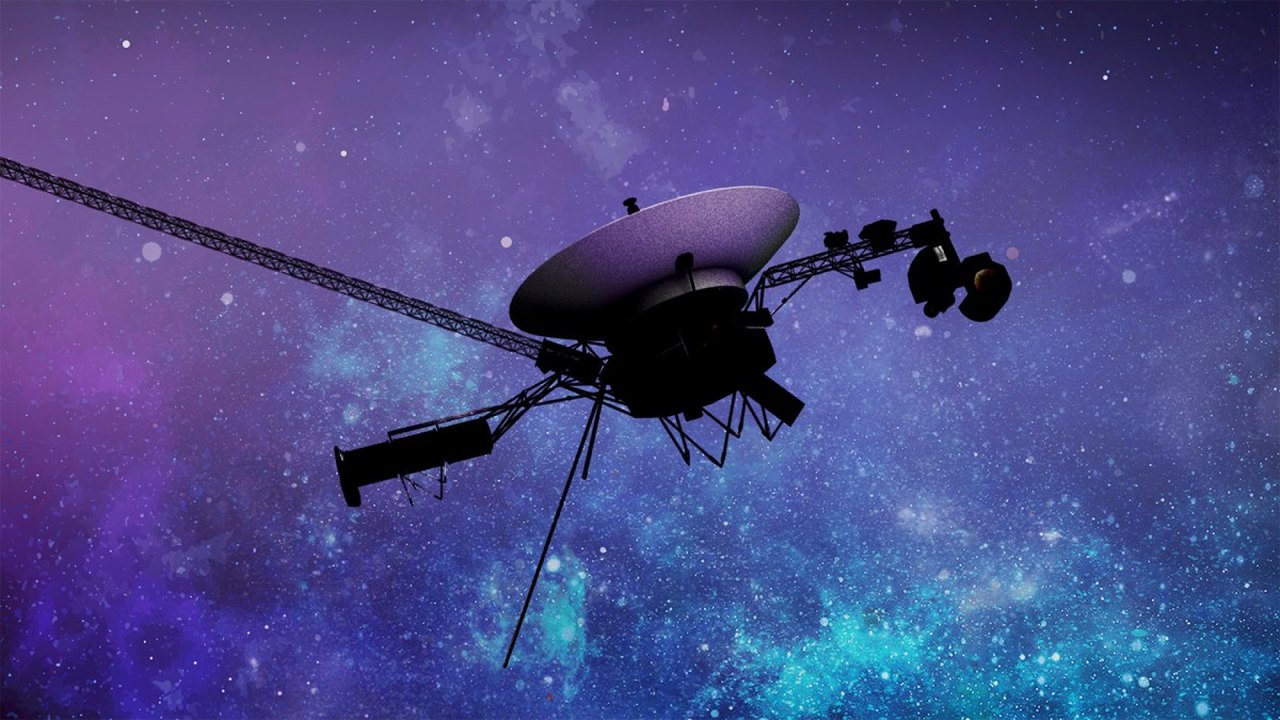 Voyager 1 Reaches One Light-Day From Earth, Marking a Historic Milestone
 Voyager 1 Reaches One Light-Day Distance from Earth After 49 Years