BepiColombo Spacecraft Reaches Mercury Following Multi-Year Journey
· GlobeWire Daily Editorial Desk · Source: www.newsweek.com
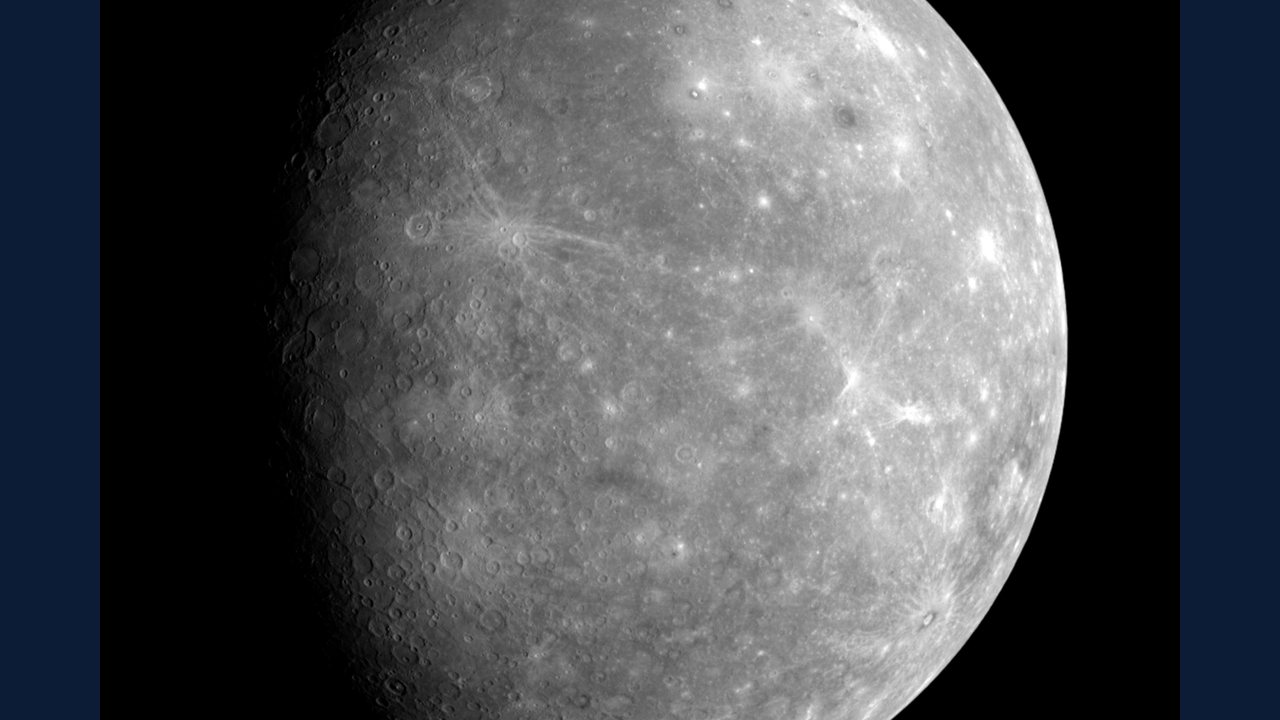
The joint European and Japanese BepiColombo spacecraft has reached Mercury, completing an eight-year, multi-billion-mile journey through the inner solar system to study the planet closest to the Sun.
According to the European Space Agency (ESA) and the Japan Aerospace Exploration Agency (JAXA), the mission successfully arrived on November 21 and entered an initial orbit around Mercury. Launched on October 20, 2018, aboard an Ariane 5 rocket from Kourou, French Guiana, the spacecraft utilized a complex trajectory to navigate the Sun's immense gravitational pull.
Journey and Orbital Insertion
- Trajectory: Used flybys of Earth once, Venus twice, and Mercury six times to adjust speed and direction while conserving fuel.
- Distance Traveled: Roughly 10.2 billion kilometers (6.35 billion miles) along its winding path.
- Braking Maneuver: Fired four small engines as it approached Mercury to slow down sufficiently for the planet's gravity to capture it.
- Initial Orbit: An oval path ranging from 590 kilometers to over 11,000 kilometers above the surface.
Scientific Objectives
The mission consists of two distinct scientific orbiters designed to operate simultaneously:
- Mercury Planetary Orbiter (MPO): Managed by ESA to study the planet's surface and interior.
- Mercury Magnetospheric Orbiter (Mio): Managed by JAXA to examine Mercury's magnetic field and surrounding environment.
Operating both orbiters simultaneously allows researchers to distinguish between changes caused by the planet itself and those caused by the solar wind. Mercury presents extreme operational challenges due to solar radiation roughly 10 times more intense than Earth's and surface temperatures reaching about 430 degrees Celsius.
Upcoming Schedule
- December 9–10: Scheduled separation of the MPO and Mio spacecraft into individual orbits.
- March 2027: MPO expected to reach its final operational position.
- April 2027: Main research phase officially scheduled to begin.
Readers can verify official mission milestones and updates directly through the ESA and JAXA mission portals.