Gorakhpur: Leonid Meteor Shower Expected to Peak on Night of November 17-18
· GlobeWire Daily Editorial Desk · Source: www.livehindustan.com
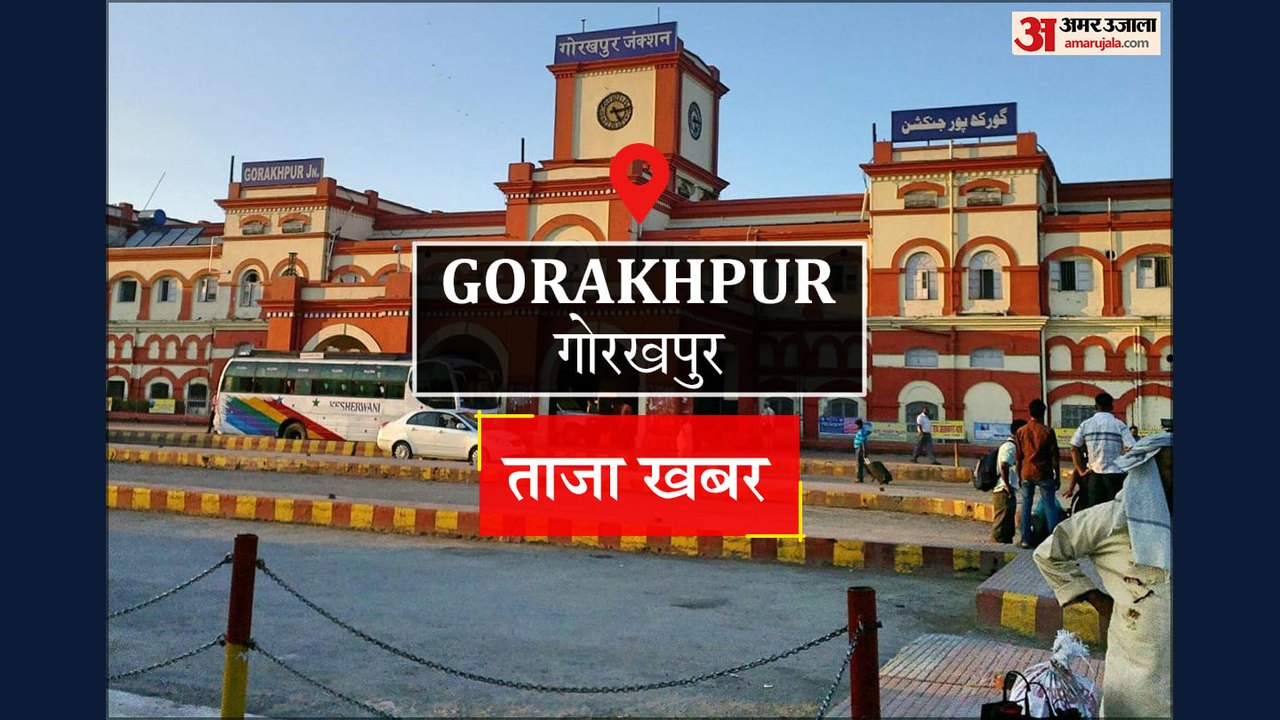
Image: www.livehindustan.com · Photo source · Resized and letterboxed to 16:9; no AI generation
Reports indicate that the Leonid meteor shower, known as one of the year's bright meteor events, is expected to reach its peak during the night of November 17-18, according to astronomical reports. Observers without specialized equipment may be able to view the activity under favorable, dark skies.
Details of the Astronomical Event
According to reports from Gorakhpur, astronomer Amar Pal Singh of the Veer Bahadur Singh Nakshatrasala stated that Leonid meteors enter Earth's atmosphere at high speeds of approximately 71 kilometers per second. This high velocity often results in bright fireballs and persistent trails across the night sky.
- Radiant Point: Located in the constellation Leo (Singh taramandal).
- Expected Rate: Approximately 15 meteors per hour under clear conditions and away from light pollution.
- Peak Timing: Estimated between 5:15 AM and 5:30 AM IST on the morning of November 18.
- Origin: Associated with debris from the comet 55P/Tempel-Tuttle.
Planetary Pairing
In addition to the meteor shower, reports note a visible celestial pairing of Jupiter and the planet Mars. Observers may spot Jupiter appearing as a bright white point with Mars positioned nearby with a reddish hue in the east-southeast direction.
Practical Implications and Verification
- Equipment: No telescope or binoculars are required to view the meteor shower or planetary pairing with the naked eye.
- Conditions: Visibility depends heavily on local weather and the absence of urban light pollution.
- Verification: Interested stargazers can consult local planetariums or astronomical bulletins for real-time updates and weather forecasts before planning observations.
AI-assisted reporting; source claims are attributed and have not been independently verified.
More to read
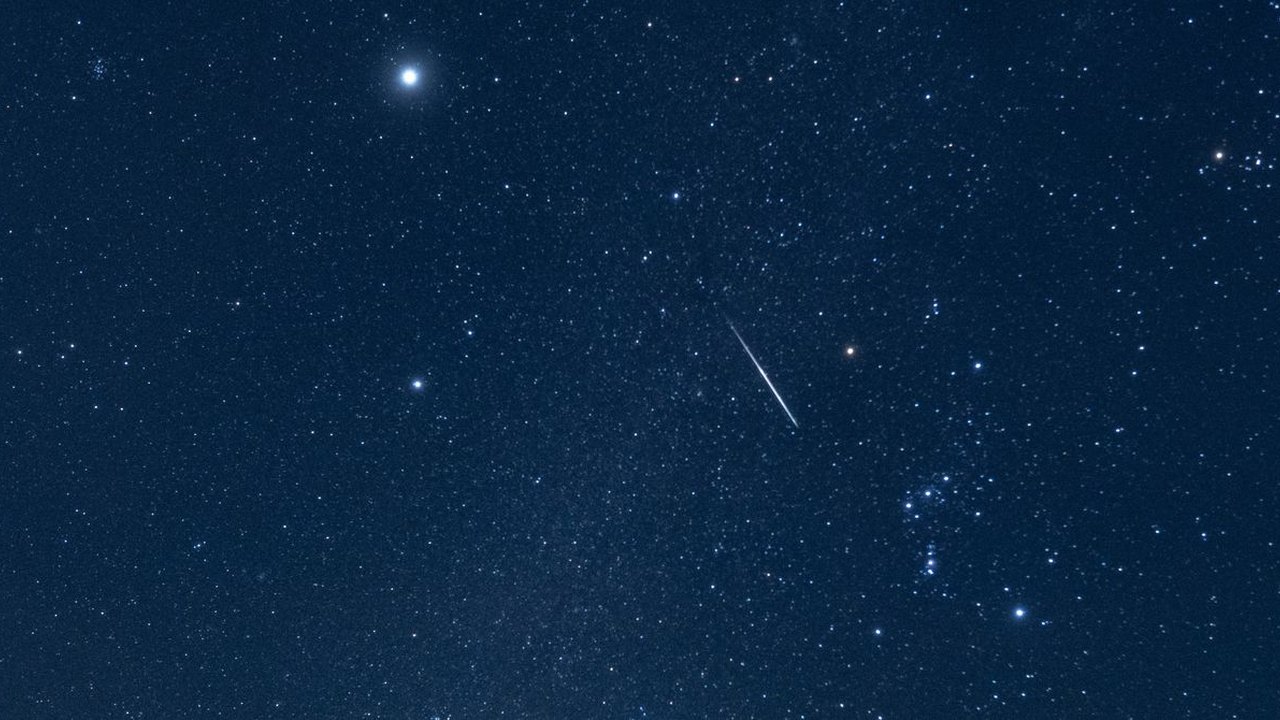 Orionid Meteor Shower Peak and Other October Astronomical Events to Watch
 Gorakhpur AIIMS to Host UPSICON-2026 Focusing on AI and Robotic Surgery from November 26
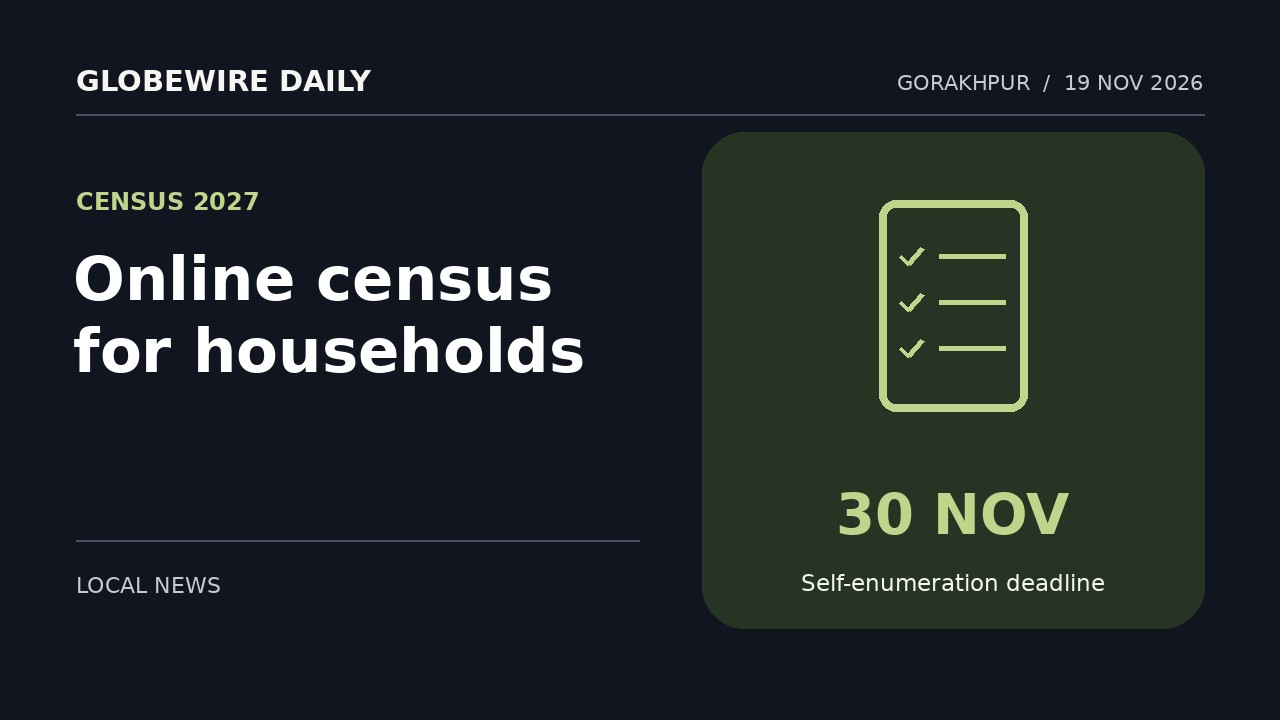 Gorakhpur Census 2027 self-enumeration open until 30 November
 DM Deepak Meena Encourages Gorakhpur Residents to Complete Census Self-Enumeration by November 30