How NASA’s Biological and Physical Sciences Division Uses Space to Advance Medicine and Technology
· GlobeWire Daily Editorial Desk · Source: science.nasa.gov
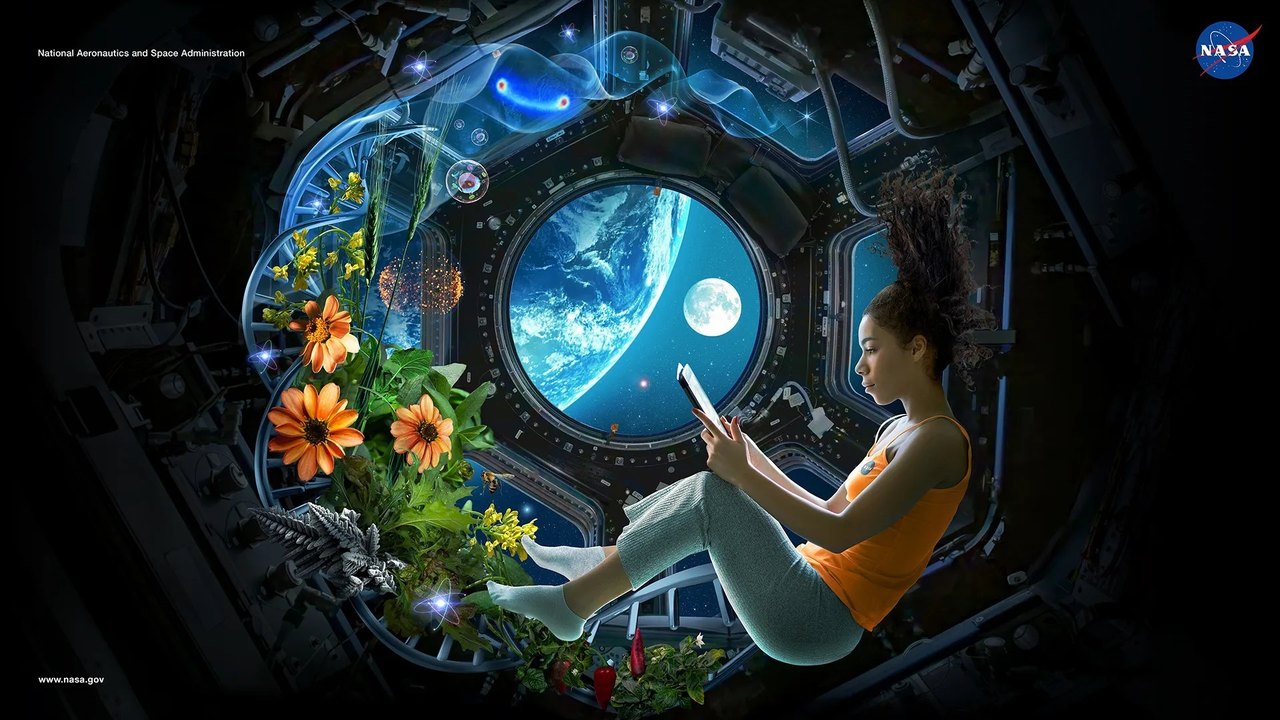
Image: science.nasa.gov · Photo source · Cropped to 16:9; original source image
Exploring Fundamental Phenomena Beyond Earth
NASA’s Division of Biological and Physical Sciences (BPS) utilizes the unique environment of spaceflight to investigate biological and physical phenomena in ways that are impossible to replicate in terrestrial laboratories. By studying how extreme space environments—such as cosmic radiation and microgravity—affect living organisms and physical systems, the division aims to promote long-term mission success while yielding practical benefits for life on Earth.
Originally functioning under the Space Life and Physical Sciences Research and Applications Division, BPS was transitioned to NASA’s Science Mission Directorate in 2020. This shift aligns the division's research objectives with broader scientific exploration goals. According to program outlines, the core mission is to pioneer scientific discovery in low Earth orbit and beyond, driving advancements in technology, education, and economic vitality.
Core Research Programs and Focus Areas
The division's work is divided primarily into two major programmatic efforts:
- Space Biology Program: Focuses on understanding how gravity influences the design and function of living organisms, and how biological systems adapt to spaceflight environments.
- Physical Sciences Program: Investigates fundamental and applied physics and engineering, examining how physical systems—such as fluids, fire, and materials—behave in weightlessness and partial gravity.
Additionally, initiatives like the Commercially Enabled Rapid Space Science (CERISS) project work alongside commercial space industry partners to accelerate the pace of investigations. Experiments are conducted across a diverse array of platforms, ranging from ground-based analogs, drop towers, and research aircraft to free-flyer satellites and the International Space Station (ISS).
Practical Implications and Reader Verification
BPS relies heavily on competitive grants awarded to academic, commercial, and government laboratories. Funding opportunities are publicly solicited through NSPIRES, and ongoing project results are cataloged in the NASA Task Book.
To ensure transparency and foster future discoveries, the division mandates the archiving of experimental data, metadata, and samples. Researchers and the public can access these findings through the NASA Open Science Data Repository and the Physical Sciences Informatics database.
Readers interested in verifying specific mission payloads, grant solicitations, or detailed scientific objectives can review the official information directly through the NASA Biological and Physical Sciences portal.
AI-assisted reporting; source claims are attributed and have not been independently verified.
More to read
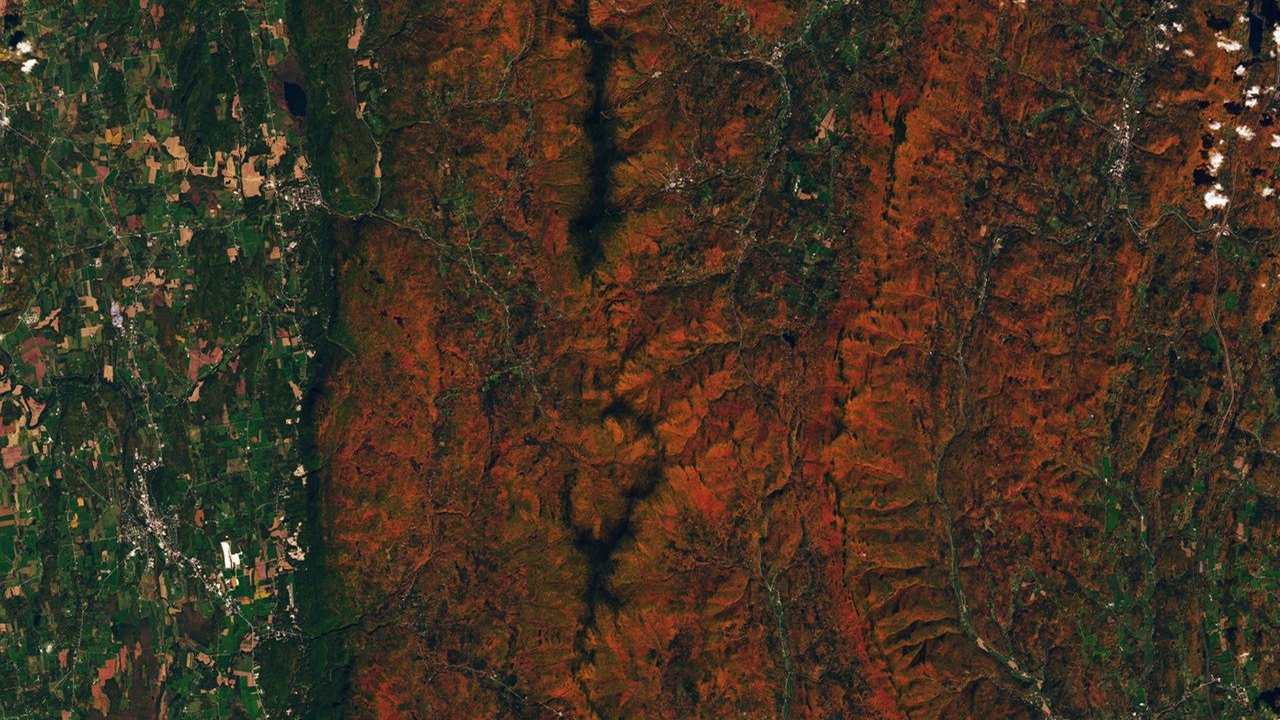 How NASA's PACE Satellite Is Transforming Fall Foliage Tracking from Space
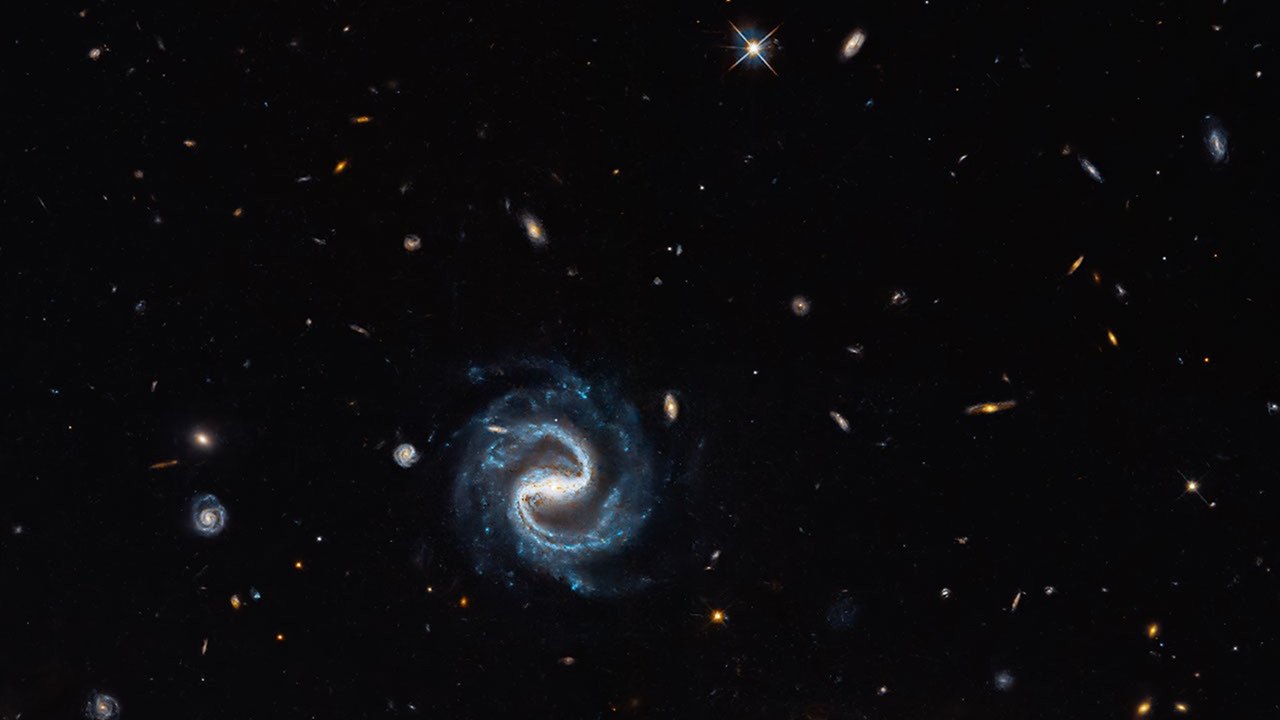 NASA's Hubble Space Telescope Lays Groundwork for Future Roman Space Observations
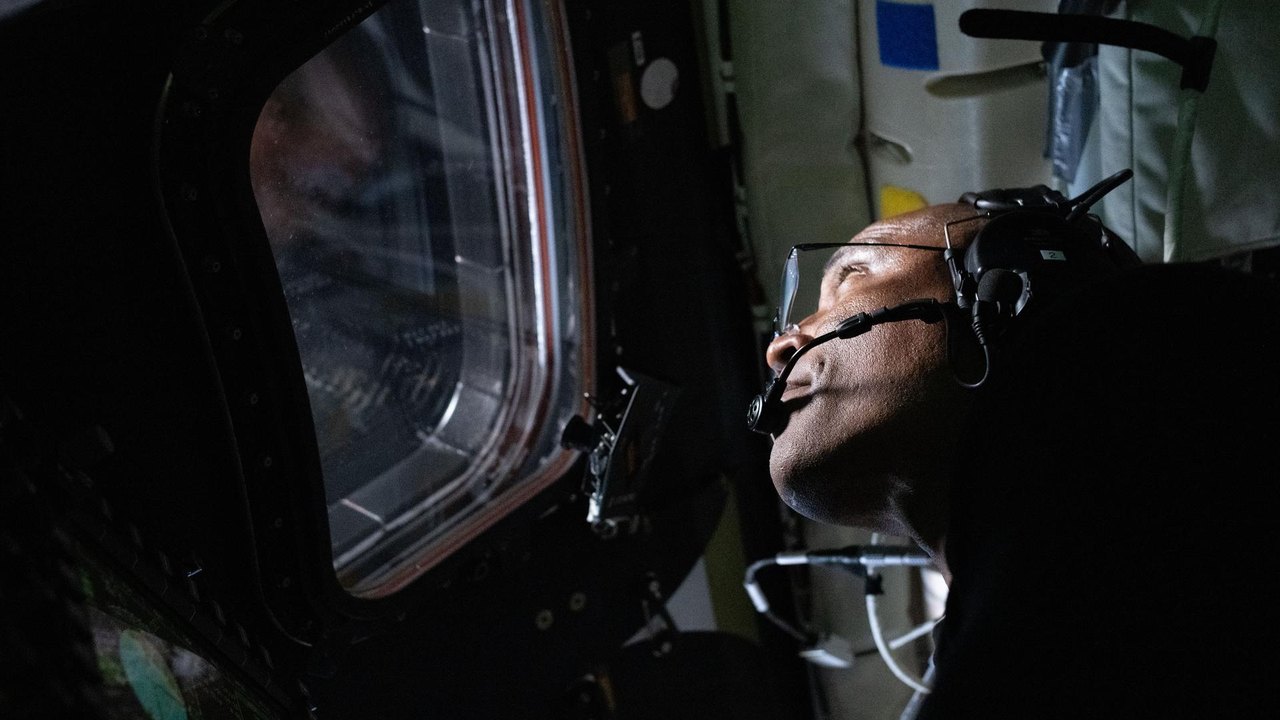 NASA Releases Preliminary Artemis II Lunar Science Report Highlighting Crew Observations and Deep-Space Data
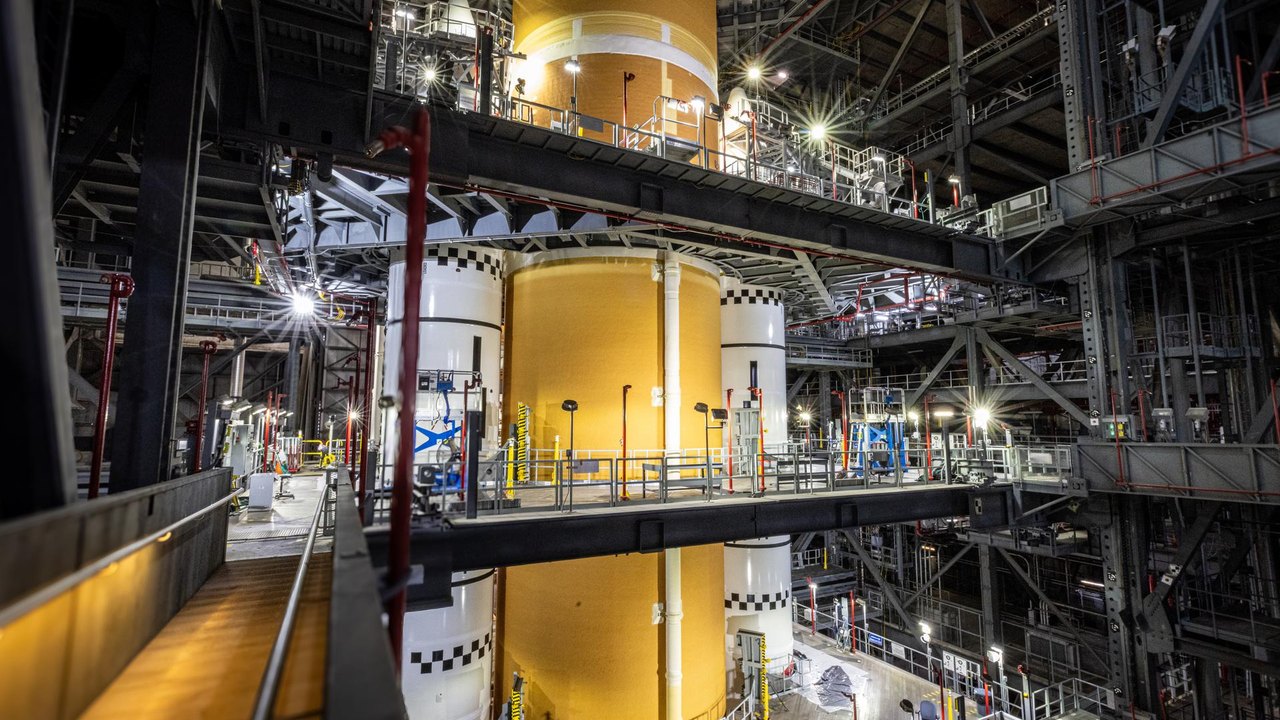 NASA Integrates Artemis III SLS Core Stage with Boosters at Kennedy Space Center
Related coverage
Related reporting available at publication.
How NASA's PACE Satellite Is Transforming Fall Foliage Tracking from SpaceNASA's Hubble Space Telescope Lays Groundwork for Future Roman Space ObservationsNASA Releases Preliminary Artemis II Lunar Science Report Highlighting Crew Observations and Deep-Space DataNASA Integrates Artemis III SLS Core Stage with Boosters at Kennedy Space Center NASA Updates Research Solicitations, Program Announcements, and Submission Portals
 ISRO Employee Associations Seek Official Clarification Amid Space Sector Privatisation Push