Microgravity and the Mind: How ESA's Brain-DTI Study Maps Spaceflight's Impact on Astronaut Brains
· GlobeWire Daily Editorial Desk · Source: www.esa.int
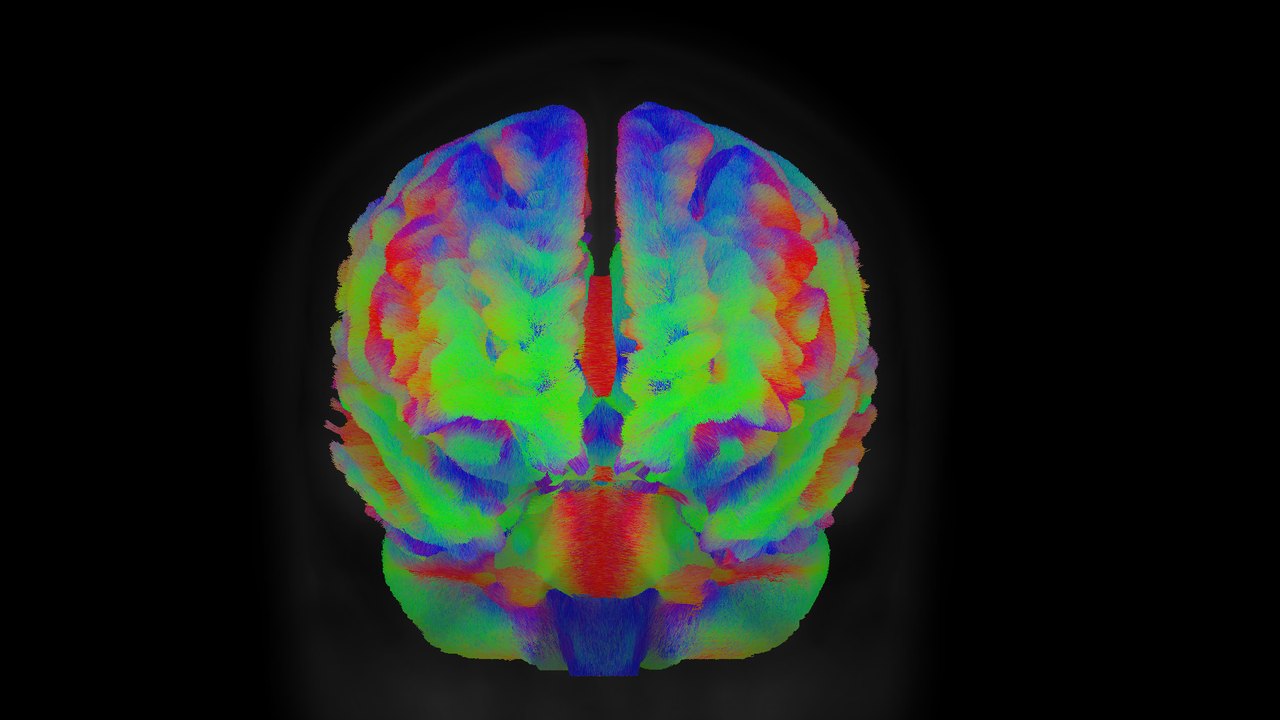
Image: www.esa.int · Source image rights not independently verified · Photo source · Cropped to 16:9; original source image
The Brain-DTI Mission: Studying Microgravity's Neurological Effects
As part of her εpsilon mission aboard the International Space Station, ESA astronaut Sophie Adenot is participating in the Brain-DTI experiment, a pioneering study investigating how the brain adapts to life in microgravity and how it recovers upon returning to Earth. The research utilizes a suite of advanced MRI techniques to provide a comprehensive view of neuroplasticity—the brain's capacity to reorganize itself in response to new environments.
Mapping Neural Pathways Under Stress
Brain-DTI employs three primary MRI methods to capture different dimensions of brain health:
- Diffusion Tensor Imaging (DTI): Tracks how water molecules move through brain tissue, allowing researchers to map neural pathways and detect changes in white matter.
- Resting-state functional MRI (rs-fMRI): Reveals how different brain regions communicate by measuring blood oxygenation level dependent (BOLD) signals.
- Standard anatomical sequences: Measure physical shifts within the skull, ventricle inflation, and cerebrospinal fluid redistribution caused by the broader fluid shift experienced in microgravity.
Linking Fluid Shifts to Vision Impairment
The fluid redistribution data gathered by Brain-DTI directly feeds into research on Spaceflight Associated Neuro-ocular Syndrome (SANS). SANS, observed in some astronauts, can impair eyesight during long-duration missions and cause other eye and brain issues. It is thought to stem from increased pressure in the fluid surrounding the brain and spinal cord, which can flatten the eyeball. While the exact mechanisms remain under investigation, Brain-DTI aims to uncover these connections, with implications extending well beyond human spaceflight.
An Unparalleled Opportunity for Neuroscientists
Spaceflight poses a profound challenge to the vestibular system—the sensory system governing balance, orientation, and motion. In microgravity, astronauts experience altered sensory inputs, leading to initial symptoms like space motion sickness and spatial disorientation. This unique challenge makes spaceflight an unparalleled opportunity for neuroscientists to identify biological markers of neuroplasticity under controlled conditions by comparing pre- and post-mission brain scans.
Since its inception in 2013, Brain-DTI has grown into the most extensive neuroimaging database in the history of human spaceflight. Principal Investigator Prof. Dr. Floris Wuyts of the University of Antwerp notes that the study has collected brain MRIs from around 50 astronauts and cosmonauts. He emphasizes that large datasets are essential for statistical significance, particularly in space physiology where large numbers are difficult to achieve. The team also notes that including more female astronauts is crucial, as unknown sex differences may exist in brain adaptation. The project is truly international, involving experts from Belgium, Germany, Italy, Russia, and beyond.
Tracking Recovery Trajectories
Because the brain begins readjusting to Earth's gravity almost immediately after landing, post-flight scans must be collected swiftly. Three MRI sessions were conducted at DLR’s :envihab facility in Cologne, Germany, within the first two weeks following Adenot's return from her 237-day mission. These multiple timepoints allow researchers to determine whether the brain's readaptation follows a linear, exponential, or more complex trajectory. A final scan is planned six months after her return to assess full neurological recovery timelines.
As Prof. Wuyts explains, eight months in space has a profound impact on the human body, and full recovery to the pre-flight state takes time. Brain-DTI is helping scientists understand exactly how long this recovery takes and why.
Practical Implications and Verification
The findings from Brain-DTI are already helping people with disorders linked to dizziness and vertigo today, shedding light on fundamental mechanisms behind vestibular diseases and recovery. To verify the original announcement and access further details, readers can refer to the source provided by the European Space Agency.
AI-assisted reporting; source claims are attributed and have not been independently verified.
More to read
 NASA’s APOD Highlights Earth’s ‘Spooky’ Aurora Over Iceland’s Hverir Geothermal Field
 New Weather System Forms Over Bay of Bengal Following Cyclone Arnab
 Evacuees From Oleshky Reach Ukrainian-Controlled Territory Amid Localized Ceasefire
 Australia Sets International Rugby League Scoring Records in World Cup Match Against Wales
Trending on GlobeWire Daily
Selected from recent coverage and related topics; not live search rankings.
 Samsung Galaxy Watch 4 Series Excluded from Upcoming One UI 9 Watch Update
 Evacuees from Russian-Occupied Oleshky Reach Ukraine-Controlled Territory Amid Local Ceasefire
 Xbox Manager's Deleted Posts Reignite Debate Over AI in Game Development
 Dulquer Salmaan’s Fantasy Action Film ‘I’m Game’ to Stream on JioHotstar from Nov 6, 2026
 Cognizant Launches OpenAI Frontier Capability Group, Deploying Over 25,000 Professionals to Accelerate Enterprise AI AdoptionNASA’s APOD Highlights Earth’s ‘Spooky’ Aurora Over Iceland’s Hverir Geothermal Field