NASA Calls for Industry Partners to Build First Lunar Nuclear Reactor (LR‑1) by 2030
· GlobeWire Daily Editorial Desk
What’s changing?
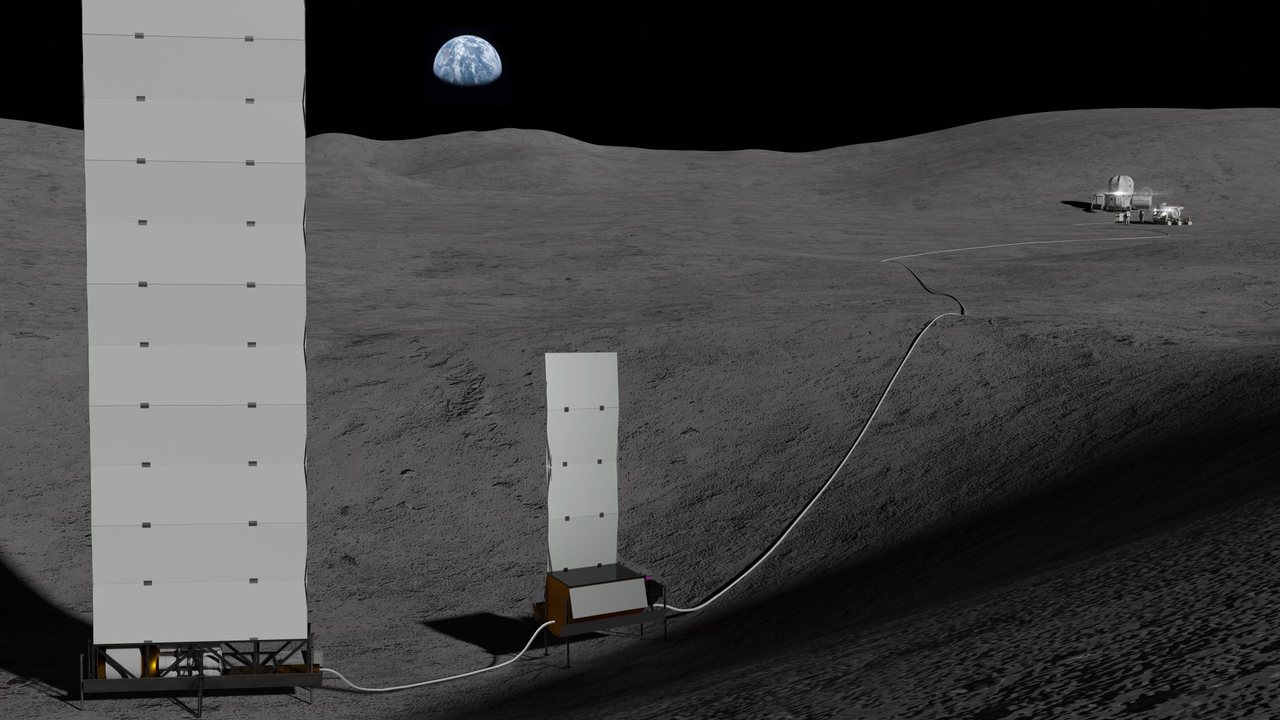
NASA has issued a formal Request for Proposals (RFP) seeking U.S. industry partners to design, build and test Lunar Reactor‑1 (LR‑1) – a 20‑kilowatt fission power system intended to supply continuous electricity on the Moon.
Key details
- Power output: 20 kW (roughly the annual electricity use of 16 U.S. homes).
- Planned launch: 2030, with a minimum five‑year operational life on the lunar surface.
- Location of use: Future habitats, communications, rovers, scientific instruments and other infrastructure where sunlight is scarce, especially during the Moon’s ~14‑day night.
- Safety standards: Must meet Department of Energy (DOE) nuclear‑safety requirements.
- Proposal deadline: 21 December 2024.
Why nuclear, not solar?
Solar panels on the Moon work only when the Sun shines, which is half the time. A fission reactor can generate power continuously, eliminating the need for large battery banks and enabling operations in permanently shadowed craters or polar regions.
Program context
- The LR‑1 effort is managed by NASA’s Space Reactors Division in partnership with the DOE.
- It follows an earlier draft RFP released in August and an industry‑day workshop held in September at the Ohio Aerospace Institute.
- NASA may award additional task orders for other space‑nuclear concepts, such as the Space Reactor‑1 (SR‑1) Freedom slated for a 2028 launch to power three SkyFall helicopters on Mars.
Practical next steps for interested firms
- Review the full RFP on NASA’s procurement portal.
- Prepare a technical and cost proposal that demonstrates compliance with DOE safety criteria.
- Submit by the 21 December deadline.
- Successful bidders will enter a development phase that includes ground‑testing and a flight‑qualification campaign before the 2030 launch.
How to verify
The official solicitation is posted on the NASA website under the Space Power and Reactor Capabilities section. The agency also posted a summary video on its YouTube channel and a press release dated 12 October 2024.
--- *This article is based on NASA’s publicly released RFP and statements from program manager Brian Giblin.*