NASA’s ISS Study Uses Patient‑Derived Tumors to Probe Cancer Behavior in Microgravity
· GlobeWire Daily Editorial Desk
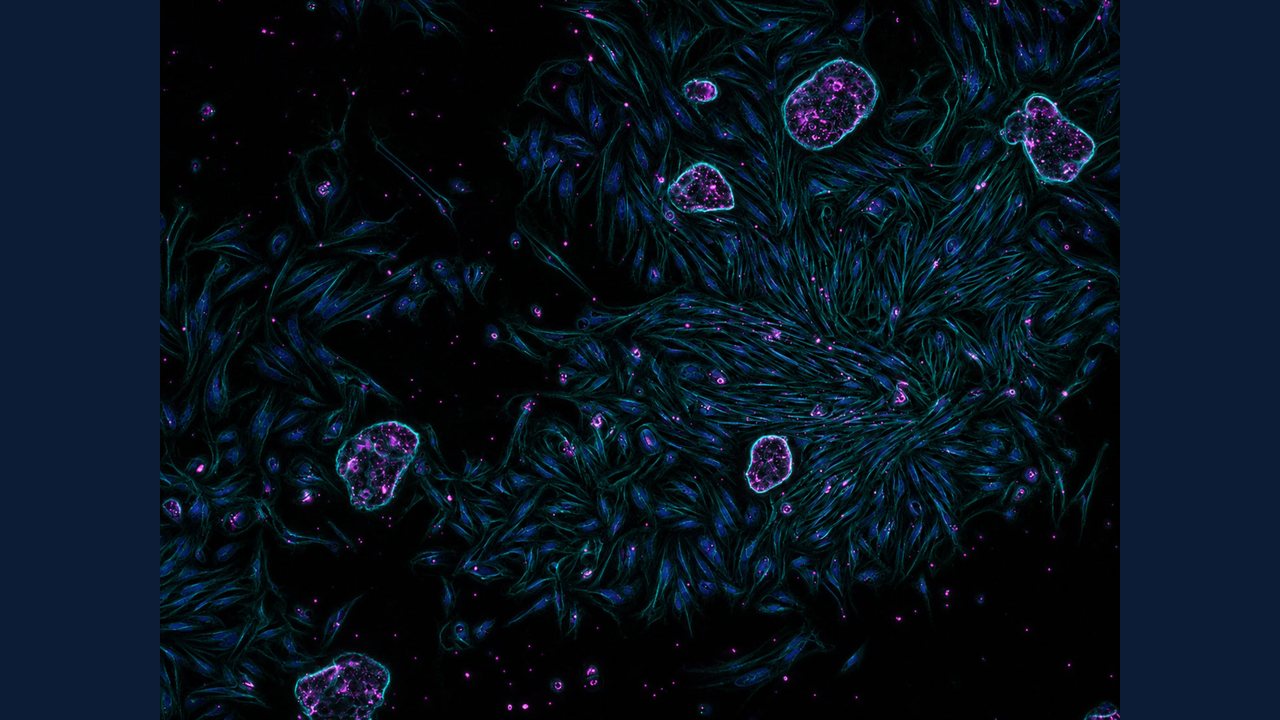
What’s changing?
NASA’s Encapsulate‑1 experiment is growing patient‑derived gastric micro‑tumors on the International Space Station to see how cancer cells migrate and interact when weightlessness removes Earth’s gravity pull.
Where and when?
The study is being conducted aboard the ISS, orbiting roughly 320 km (200 mi) above Earth. The first images of the micro‑tumors were released on 19 Nov 2026.
Who is affected?
Researchers at NASA, partner universities, and the patients who donated tumor samples stand to gain new insight that could improve risk‑assessment tools for metastasis and enable more personalized cancer therapies.
Confirmed facts
- Encapsulate‑1 is the name of the investigation and it uses a bio‑chip platform that encapsulates tiny tumor fragments.
- The experiment is still ongoing; no results have been published yet.
- The ISS provides a microgravity environment that cannot be replicated on Earth, allowing cells to behave differently.
Reported expectations
- Scientists anticipate that microgravity will reveal distinct patterns of cell movement and signaling that are masked by Earth’s gravity.
- If these patterns correlate with aggressive disease, they could become biomarkers for predicting metastasis risk.
Unknowns
- The timeline for data analysis and peer‑reviewed publication has not been disclosed.
- It is not yet known whether findings will translate directly into clinical tests.
Practical next steps
- Follow NASA’s Microgravity Research portal for updates and eventual data releases.
- Clinicians interested in future applications should watch for publications from the lead investigators at the University of Colorado and the National Cancer Institute.
--- *The article is based on NASA’s public announcement and image release; no speculative claims beyond the agency’s stated goals are included.*