NASA Highlights Key Astronomical Events Scheduled for 2026
· GlobeWire Daily Editorial Desk · Source: www.nasa.gov
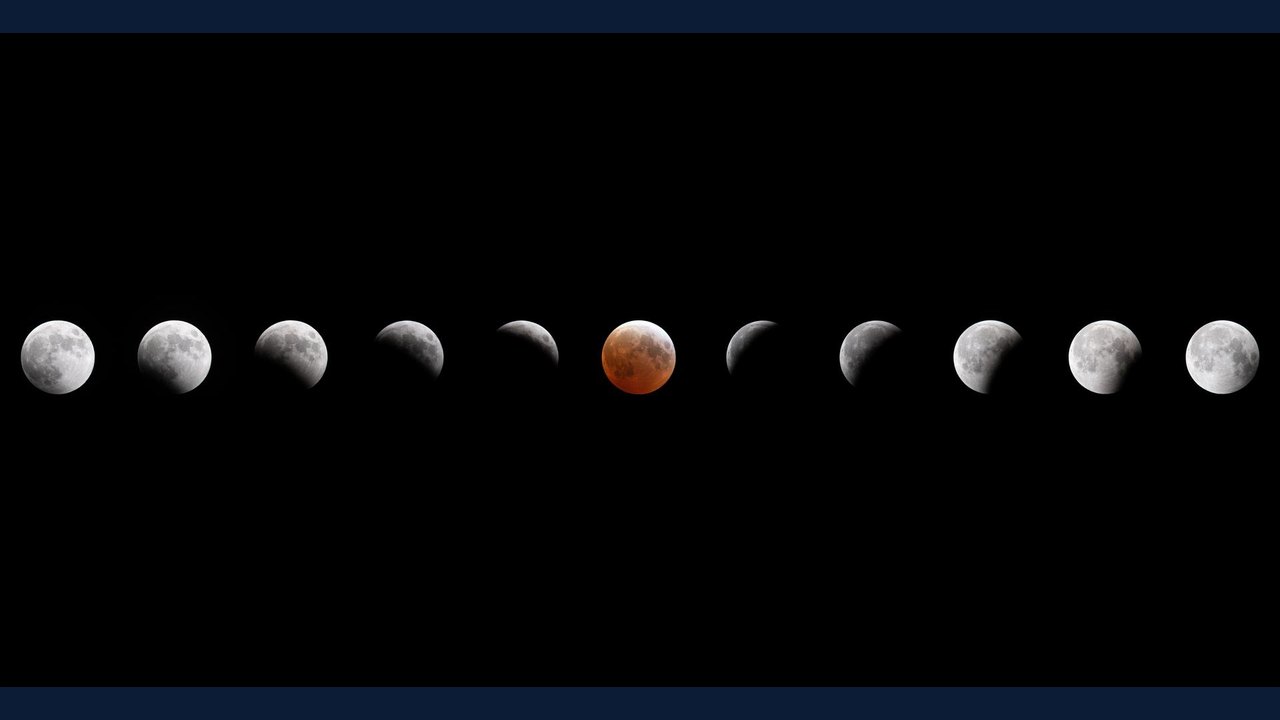
Image: NASA · Photo source · Resized and letterboxed to 16:9; no AI generation
According to a published NASA blog post, the year 2026 features a series of notable astronomical events, including planetary alignments, eclipses, meteor showers, and a milestone anniversary for the NASA Marshall Space Flight Center’s Observatory.
The NASA Marshall Space Flight Center’s Observatory marks its 20th anniversary in its modern incarnation this year. Established originally as an engine test site in 1958 and converted to a solar observatory in 1968, it became a lunar and meteor observatory in 2006. Today, the facility utilizes advanced telescopes and cameras to monitor lunar impacts, study eclipses, track comets, and measure meteoroid production.
Notable 2026 Sky Watching Highlights
Based on the published schedule, observers can anticipate several key celestial occurrences throughout the year, subject to weather conditions and visibility limits:
- February 28: A six-planet alignment featuring Mercury, Venus, Neptune, Saturn, Uranus, and Jupiter shortly after sunset. Four planets are expected to be visible to the unaided eye, while Uranus and Neptune will require optical assistance.
- March 3: A total lunar eclipse visible before sunrise, particularly for viewers in North America and especially the West Coast.
- Late May: A Blue Moon event, marking a second full moon in the same calendar month.
- June 8-9: A conjunction bringing Venus and Jupiter close together, visible without a telescope.
- August 12-13: The annual Perseids Meteor Shower, expected to benefit from favorable viewing conditions with a New Moon.
- December 13-14: The Geminids Meteor Shower, featuring visible meteors shortly after midnight.
- December 24: A Christmas Eve Supermoon, appearing larger and brighter due to its close proximity to Earth.
Additional Scheduled Events
The schedule also lists several other occurrences, including the Quadrantids (January 2-3), an annular solar eclipse visible in Antarctica (February 17), the Eta Aquariids (May 5-6), the Southern Delta Aquariids and alpha Capricornids (July 30-31), a total solar eclipse visible in Greenland, Iceland, and Spain (August 12), the Orionids (October 21-22), and the Ursids (December 21-22).
Practical Implications and Verification
Practical viewing depends heavily on local weather, light pollution, and time zones. Interested observers can verify dates, visibility maps, and safety guidelines directly through official space agency resources such as NASA’s official watch-the-skies blog.
AI-assisted reporting; source claims are attributed and have not been independently verified.
More to read
 NASA Announces Key Events and Schedule for MAX POWER Aerospace Expo and Air Show
 NASA Highlights Cosmic Origins Program at Scheduled 249th AAS Meeting in January 2027
 City Update: Scheduled Events and Gold Prices in Bareilly for October 27, 2026
 NASA Releases 2026 ISAM State of Play Report on Orbital Manufacturing
Trending on GlobeWire Daily
Selected from recent coverage and related topics; not live search rankings.
 Madhya Pradesh Government Plans Revenue Generation from 117-Year-Old Edward Villa in Mumbai Through Leasing
 iPhone 18 Pro Named TechRadar Product of the Year 2026
 Google Project Suncatcher Runs Gemma 4 AI on Orbiting Satellite and Receives First Response
 Gender Disparities in Eye Care Access Across India Examined
 Satellite Images Show Cyclone Arnab Weakening Over India As New System Brews
 Expanding Green and Blue Spaces Crucial for India's Economic and Public Health, Reports Indicate