NASA Launches BPS Digital AVATAR Challenge to Advance Astronaut Health Modeling
· GlobeWire Daily Editorial Desk · Source: www.nasa.gov
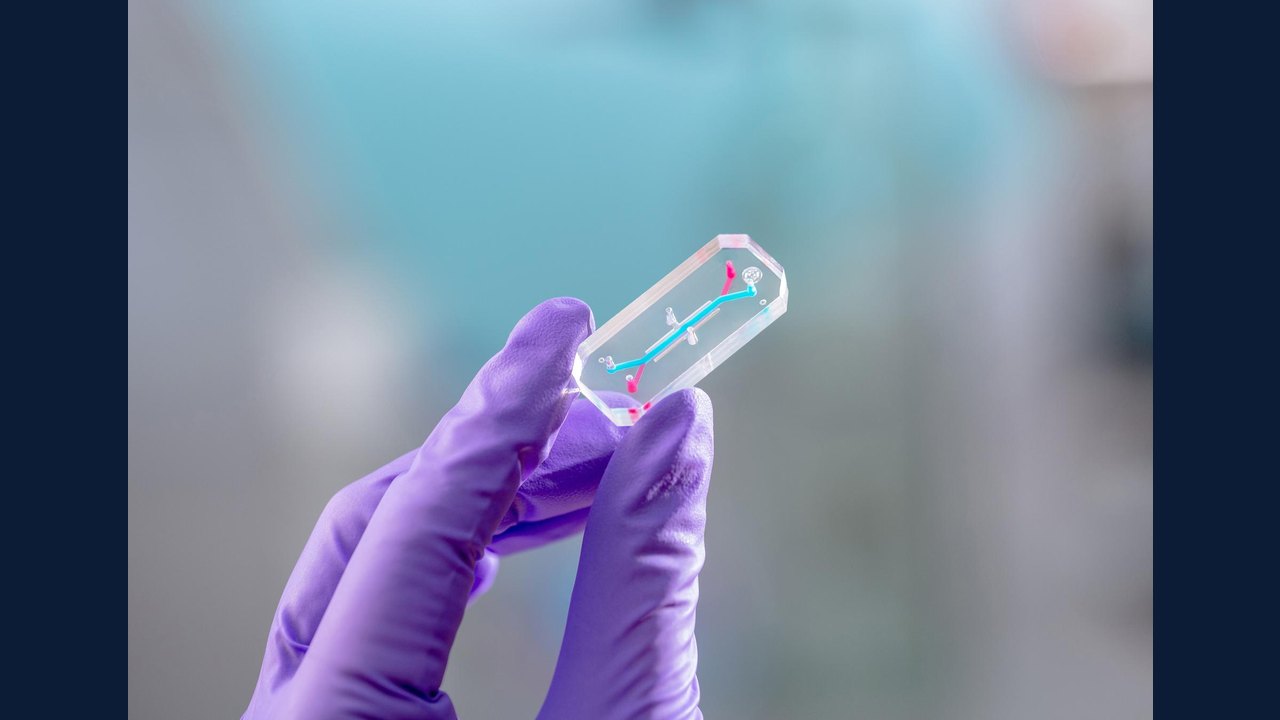
Image: NASA · Photo source · Resized and letterboxed to 16:9; no AI generation
Overview of the Digital AVATAR Initiative
NASA's Biological and Physical Sciences (BPS) Division has announced the BPS Digital AVATAR Challenge, seeking innovative computational solutions to model human physiological responses to deep space stressors. Building upon the successful AVATAR (A Virtual Astronaut Tissue Analog Response) mission, which utilized organ-on-a-chip technology during the Artemis II lunar flyby, this initiative aims to create advanced digital twins to predict individual health outcomes.
The Role of Digital Twins in Space Health
As NASA plans for extended missions, understanding how microgravity, radiation, and other deep-space variables affect specific crew members is critical. Digital twins provide a framework to:
- Integrate multi-omics, physiological, and environmental data.
- Simulate individual biological responses to unique stressors.
- Inform the development of personalized medical countermeasures.
Challenge Objectives
The BPS Digital AVATAR Challenge invites researchers to develop computational models that specifically simulate the bone marrow hematopoietic response to spaceflight. Key requirements for participants include:
- Multi-modal Integration: Models must process diverse datasets, including biochemical and molecular inputs.
- Predictive Capability: Frameworks should distinguish between astronaut-specific biological variations and general mission-wide effects.
- Iterative Refinement: Systems must incorporate pathways for continuous updates as new empirical flight data become available.
Participation and Key Dates
Interested participants can register to join the challenge starting November 16, 2026. The submission deadline for proposed frameworks is February 12, 2027. Full rules, technical guidelines, and eligibility requirements are available on the official competition portal at work.crowdplat.com.
AI-assisted reporting; source claims are attributed and have not been independently verified.
More to read
 NASA Launches AMPERE Challenge for U.S. Companies to Develop Mid-Power Electric Rockets
 NIH and NASA Announce QuSAFE Challenge to Advance Quantum Sensing for Drug Safety
 NASA Launches Nancy Grace Roman Space Telescope to Explore Dark Universe
 NASA Space Apps Challenge Achieves Record Global Participation