NASA's Artemis II Crew Reflects on Historic Lunar Mission and Global Fame
· GlobeWire Daily Editorial Desk · Source: www.wired.com

Image: Brendan I. Koerner · Photo source · Resized and letterboxed to 16:9; no AI generation
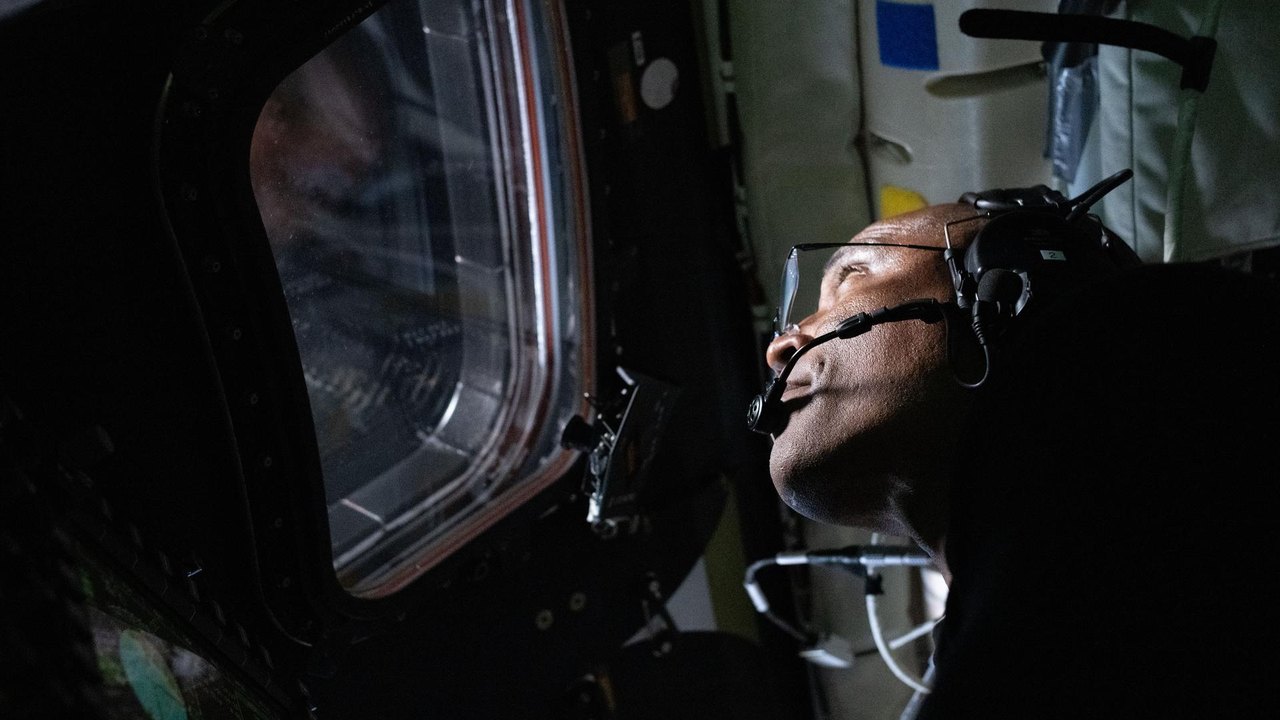
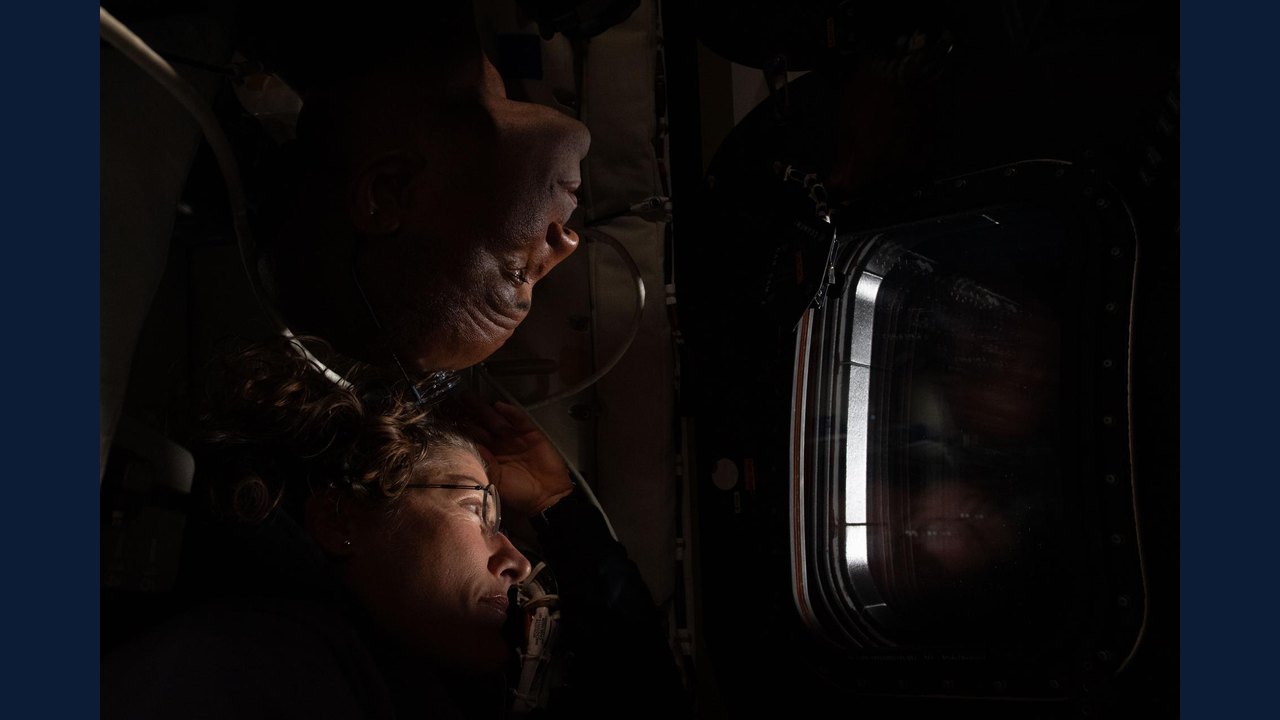
Following the Artemis II mission, NASA astronauts Jeremy Hansen, Christina Koch, Victor Glover, and Reid Wiseman have shared insights into their journey around the moon and the unexpected global attention they received.
Mission Overview and Public Impact
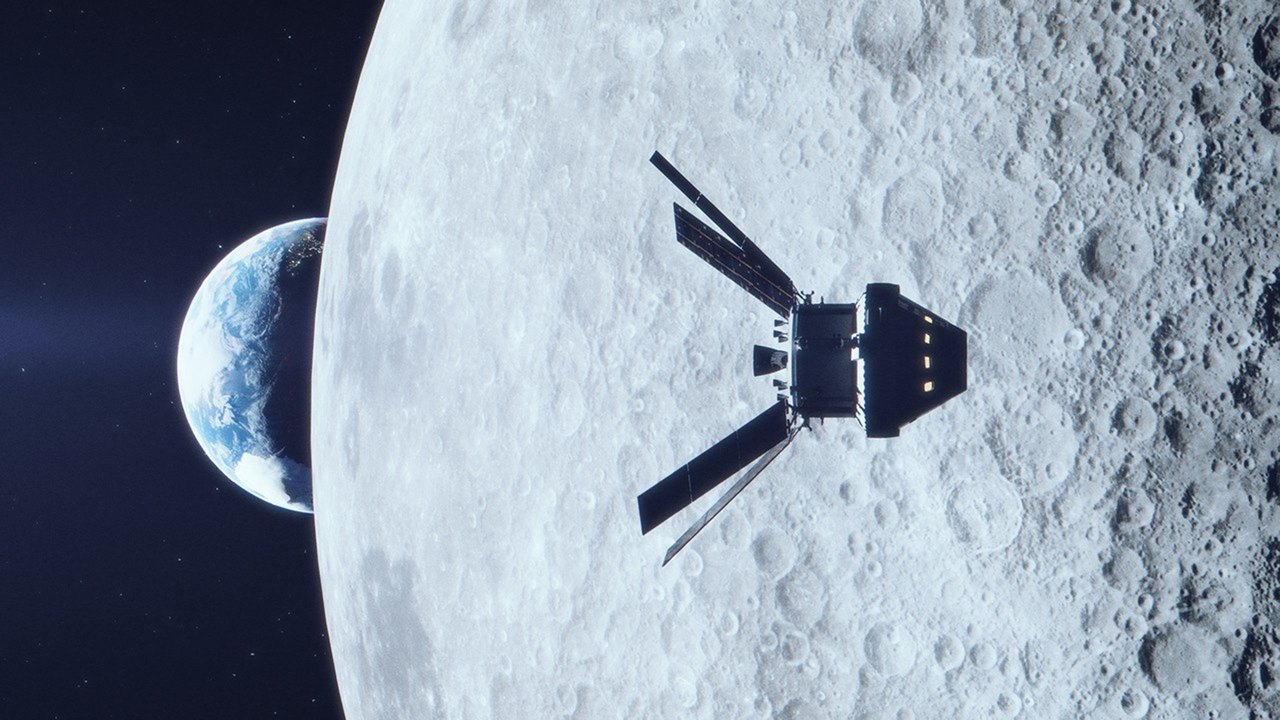
The nearly 10-day mission, which included a historic flight past the far side of the moon, captured public imagination worldwide. Nearly 150 million people watched key moments via NASA's online platforms, featuring near-constant interior feeds from the Orion spacecraft. The public enthusiasm was largely driven by the crew's visible chemistry and the romantic appeal of a long-term goal for a shared lunar base rather than a private venture.
Training, Challenges, and Teamwork
To manage interpersonal dynamics among four distinct type-A personalities, the crew worked with leadership expert Rick Rochelle during a September 2024 training trip to Iceland. This preparation helped solidify a pact to launch as friends and land as friends.
Despite the mission's success, the crew encountered several technical hurdles:
- A lint blockage in the primary urine vent line required utilizing a backup method.
- An erroneous smoke detector alarm while 80,000 miles from Earth caused 15 minutes of anxiety.
- Forty minutes of radio silence occurred while the spacecraft passed behind the moon, during which the crew shared a cautious toast with maple cookies and honored the late wife of Reid Wiseman.
Practical Implications and Verification
None of the Artemis II crew members are expected to return to space, with Hansen, Glover, and Wiseman having moved on and Koch transitioning into a NASA leadership role. Their experiences contribute data for life-support, navigation, and piloting systems ahead of Artemis III, which is tentatively scheduled to launch in summer 2027. Readers can verify mission details and updates through official NASA announcements and archives.
AI-assisted reporting; source claims are attributed and have not been independently verified.
More to read
 NASA Releases Preliminary Artemis II Lunar Science Report Highlighting Crew Observations and Deep-Space Data
 NASA Outlines Artemis 3 Mission Plan Involving Three Separate Rocket Launches
 NASA's Exploration Science Strategy Integration Office Drives Lunar Research and Artemis Missions
 NASA Publishes Extensive Artemis II Lunar Science Data and Imagery